
Learn › Jewish home › Jewish parenting
Children, Money and Tzedakah: Raising Generous Kids
Jewish wisdom for teaching children about money: a pushka of their own, giving from their allowance, honesty, and being happy with what you have.
On this page · 2 min read
Tzedakah: justice, not just charityA pushka of their ownGiving from their own moneyGiving many timesHonest moneyHappy with what we haveIdeas for your familyChildren learn about money long before they earn any. They watch how we spend, how we save and how we give. Judaism offers simple, lifelong habits that turn money into a way to do good.
Tzedakah: justice, not just charity
The Hebrew word tzedakah means "justice" or "righteousness." Judaism teaches that what we have is entrusted to us by G-d, and part of it belongs to those in need. Giving is not only kind; it is right. Children understand this easily: we share because that is what good people do. See tzedakah.
A pushka of their own
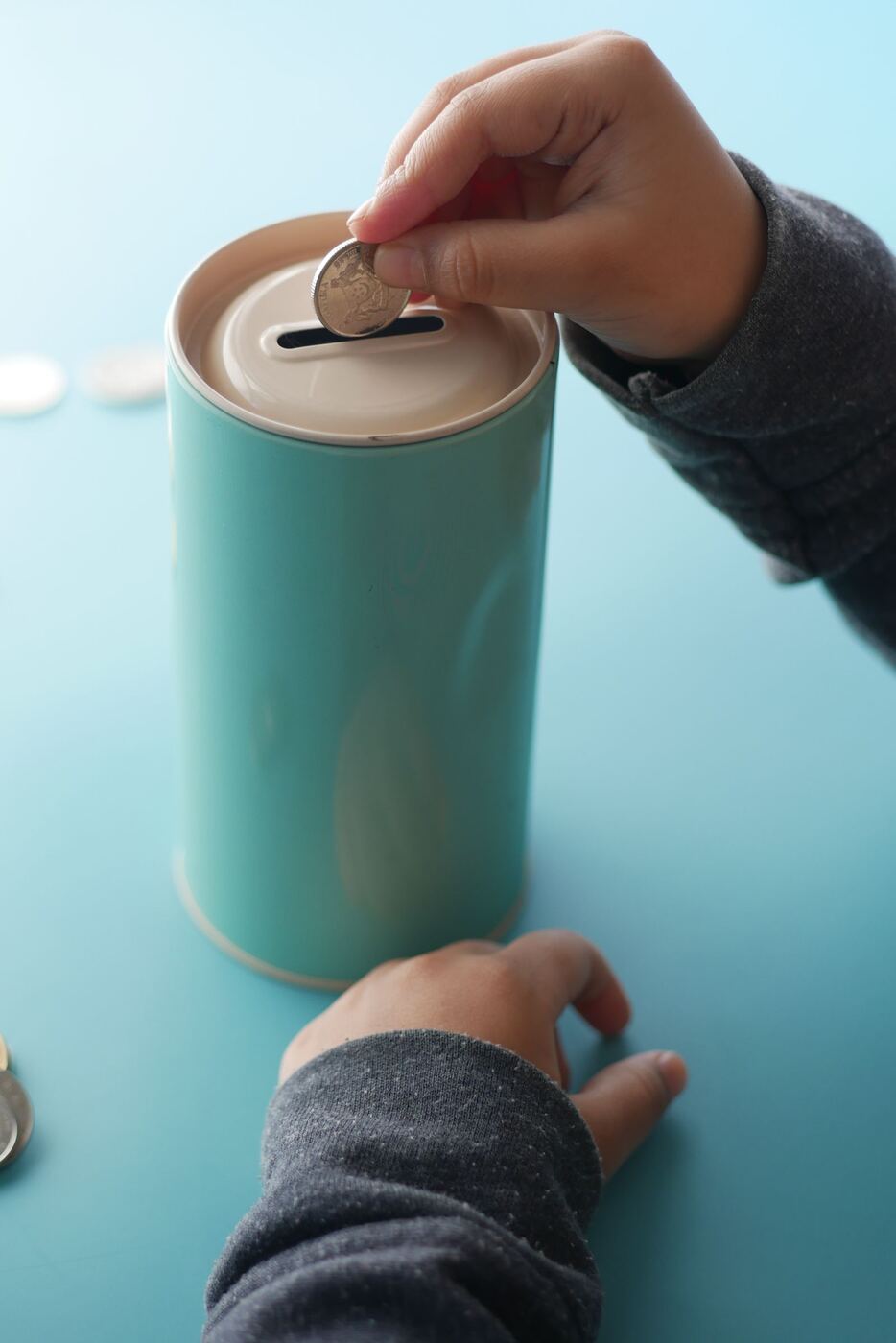
The simplest habit is a pushka, a tzedakah box, in the child's room and in the kitchen. A coin before Shabbat candle lighting, a coin before morning prayers, a coin when something good happens. The Rebbe encouraged every child to have their own pushka, so that giving becomes part of who they are. See the pushka.
Giving from their own money
When children get an allowance, gift money or Chanukah gelt, many families teach them to set aside a tenth, maaser, for tzedakah. Let them choose where it goes: a food drive, a friend in need, a Jewish cause. Choosing teaches them that their giving matters. See maaser.
Giving many times
Maimonides teaches that giving a small coin many times shapes a generous heart more than one big gift. For children, frequent small giving is the goal: every day, every Friday, every celebration.
Honest money
Jewish law is careful about honesty: returning lost things, paying people on time, not taking what is not ours. Children learn from small moments, like returning extra change at the store or giving back a toy that was left behind. See honesty and truth.
Happy with what we have
"Who is rich? The one who is happy with his portion" (Ethics of the Fathers 4:1). In a world of ads and comparison, teach children to say thank you for what they have. A blessing before eating, a thank-you note, a gratitude moment at the Shabbat table all help. See the Jewish view on wealth.
Ideas for your family
- Count it together. Empty the pushka with your child and decide together where it goes.
- Give in person. Bring food to a food drive or a meal to a new mother; children remember what they do with their hands.
- Chanukah gelt with a twist. Give gelt, and ask each child to set some aside for tzedakah. See Chanukah gelt.
- Talk about it. Tell your children when and why you give; let them see that it matters to you.
In Lamorinda: Want ideas for your family? Rabbi Yisroel and Rebbetzin Tzipora Labkowski are happy to help families in Lafayette, Moraga and Orinda: 925-384-7242.
Common questions
At what age can children start giving tzedakah?
As soon as they can hold a coin. Even toddlers love dropping coins into a pushka.
Should children give their own money or ours?
Both are good. Giving them coins to put in teaches the habit; giving from their own allowance teaches that it is truly theirs to share.
Where can our family give locally?
Ask the Rabbi for ideas that fit your family, from helping a neighbor to supporting Jewish life in Lamorinda.
Give tzedakah today
Every gift, large or small, keeps Jewish life warm and open to everyone in Lafayette, Moraga and Orinda.
Questions about this, or something on your mind? Message the Rabbi or the Rebbetzin privately, or call 925-384-7242. · Email
Read next
 Tzedakah: The Jewish Mitzvah of Giving CharityWhat tzedakah means, how much Jews traditionally give, the eight levels of giving, and simple ways to make charity a daily habit.Read next →