
Learn › Life cycle › Starting Jewish life as an adult
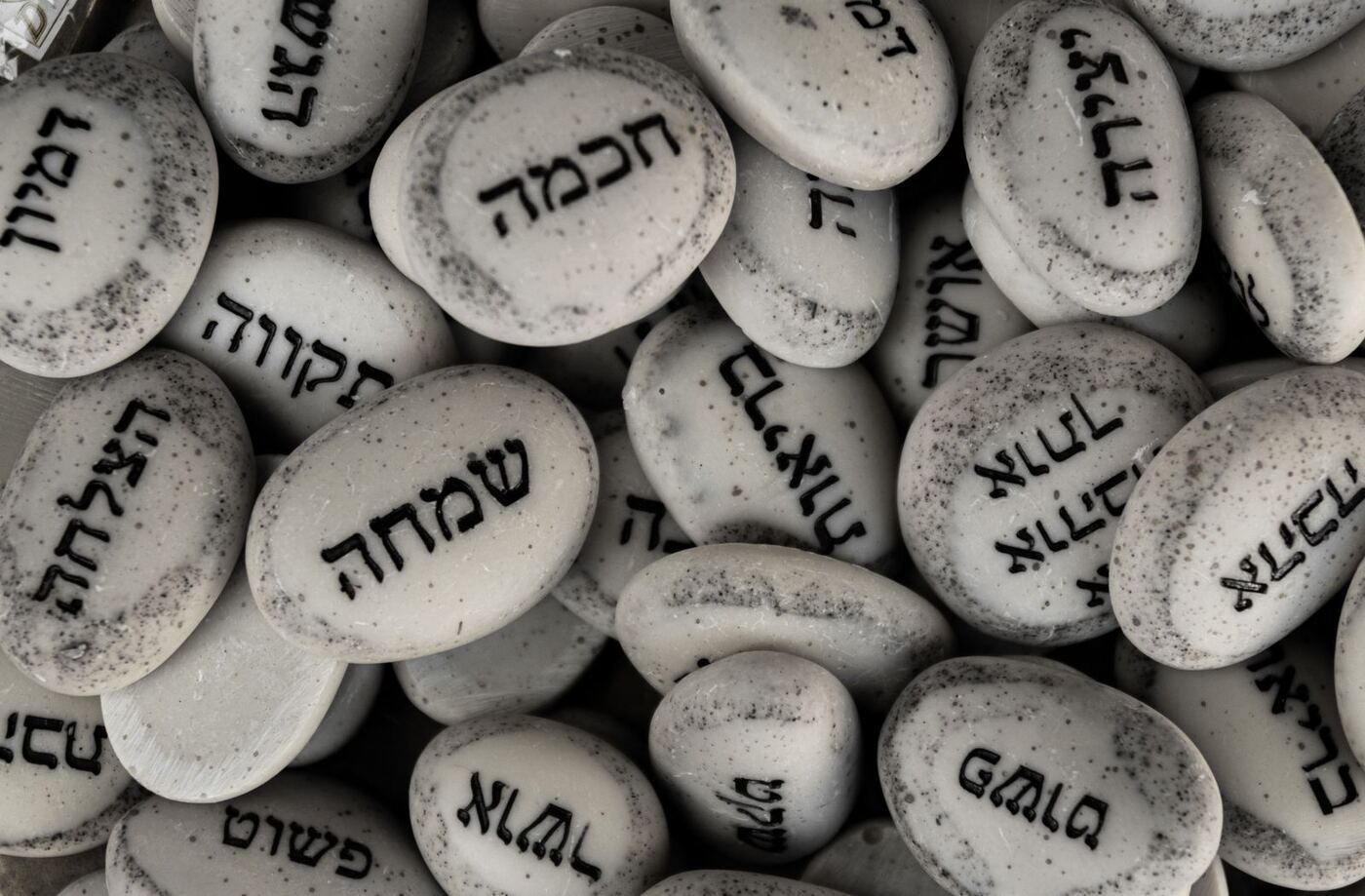
Getting a Hebrew Name as an Adult
Never received a Hebrew name, or not sure what it is? Why it matters, how to choose one, naming at the Torah, and whose name follows yours.
On this page · 3 min read
Why a Hebrew name mattersFirst, check whether you already have oneHow a name is chosenReceiving the name"Son of" and "daughter of": whose name follows yours"I don't think I ever got a Hebrew name." Rabbis hear this all the time. The good news is simple: it is never too late. Receiving a Hebrew name as an adult is a short, joyful step, and one of the most common things a Chabad Rabbi helps with.
Why a Hebrew name matters
Your Hebrew name is how the Jewish people, and Jewish tradition, know you. It is used when you receive an aliyah at the Torah; in a Mi Sheberach prayer for healing; in the ketubah and under the chuppah; at your children's bris, baby naming and Bar or Bat Mitzvah, where parents' names are part of theirs; and at the end of life, at the funeral, on the headstone and at every yahrzeit.
Chassidic teaching adds that a Hebrew name is the channel through which the soul's life-force flows: not a label, but a description of who you are at the root. See Hebrew names for how names are formed and used.
First, check whether you already have one
Many adults have a Hebrew name and do not know it. Ask parents, grandparents, aunts and uncles. Look at a bris or baby-naming certificate, your parents' ketubah, a Bar or Bat Mitzvah certificate, or the headstone of a grandparent you may have been named after. Families from the former Soviet Union often have Yiddish or Hebrew names a generation or two back that were never passed on; see Jewish genealogy. If you find one, that is your name, even if no one has used it in fifty years.
How a name is chosen
If you truly have none, you choose one, ideally with the Rabbi. Three common paths, which often overlap:
- After a relative. Ashkenazi Jews name after a loved one who has passed away; Sephardic Jews often honor living relatives too. Carrying the name of a grandmother who kept Shabbat in a hard place is a gift to yourself and to her.
- By meaning. Chaim (life), Nechama (comfort), Baruch (blessed), Aliza (joy), Shalom (peace), Tova (good). The Rabbi can suggest names that match a quality you hope to grow in.
- Close to your English name. A shared sound or first letter: Michelle to Michal, Robert to Reuven, Jennifer to Yona or Yehudit, David simply to David.
Two names are fine, as in Chaya Sarah or Yosef Chaim.
Receiving the name
For a man, the name is traditionally given during an aliyah at the Torah reading: he is called up, the blessings are said, and the Rabbi recites a short prayer announcing his name before the congregation. For a woman, the Rabbi says the naming prayer at the Torah during services, usually on Shabbat, and many families make a small Kiddush afterward. It can be as quiet or as festive as you like. Ask the Rabbi for a date, and bring anyone you want beside you.
"Son of" and "daughter of": whose name follows yours
A Hebrew name is almost always said with a parent's name. For the Torah and most documents you are ben (son of) or bat (daughter of) your father. In prayers for healing you are named after your mother, because a mother's mercy is the channel we ask G-d to open. If your father is not Jewish, or you do not know his Hebrew name, you are called by your mother's name, or as "ben Avraham" or "bat Sarah," linking you to the first Jewish parents. If you do not know either parent's Hebrew name, the Rabbi will help; there is a respectful answer for every situation, and no one will be embarrassed.
In Lamorinda: Never got a Hebrew name, or want to receive one properly in Lafayette, Moraga or Orinda? Call Rabbi Yisroel Labkowski, 925-384-7242, and we will do it together.
Common questions
Is an adult naming a real ceremony, or just a formality?
It is real. From that moment this is your name for every aliyah, prayer and document, and many people describe it as the day they felt fully claimed by the Jewish people.
Can I change a Hebrew name I do not like?
A Hebrew name is not changed lightly, since it is tied to the soul. Adding a name is different: Jewish tradition adds a name such as Chaim or Chaya for a seriously ill person. Ask the Rabbi before changing anything.
I converted to Judaism. What name do I use?
A convert chooses a Hebrew name at the conversion and is called "ben Avraham Avinu" or "bat Sarah Imeinu," son or daughter of our father Abraham and mother Sarah. See converting to Judaism.
Questions about this, or something on your mind? Message the Rabbi or the Rebbetzin privately, or call 925-384-7242. · Email
Read next
 Hebrew Names: How to Find, Choose and Use Your Jewish NameWhat a Hebrew name is, how it is formed, how to find yours if you do not know it, and when it is used in Jewish life.Read next →