
Learn › Jewish home › Marriage, in-laws and grandparents
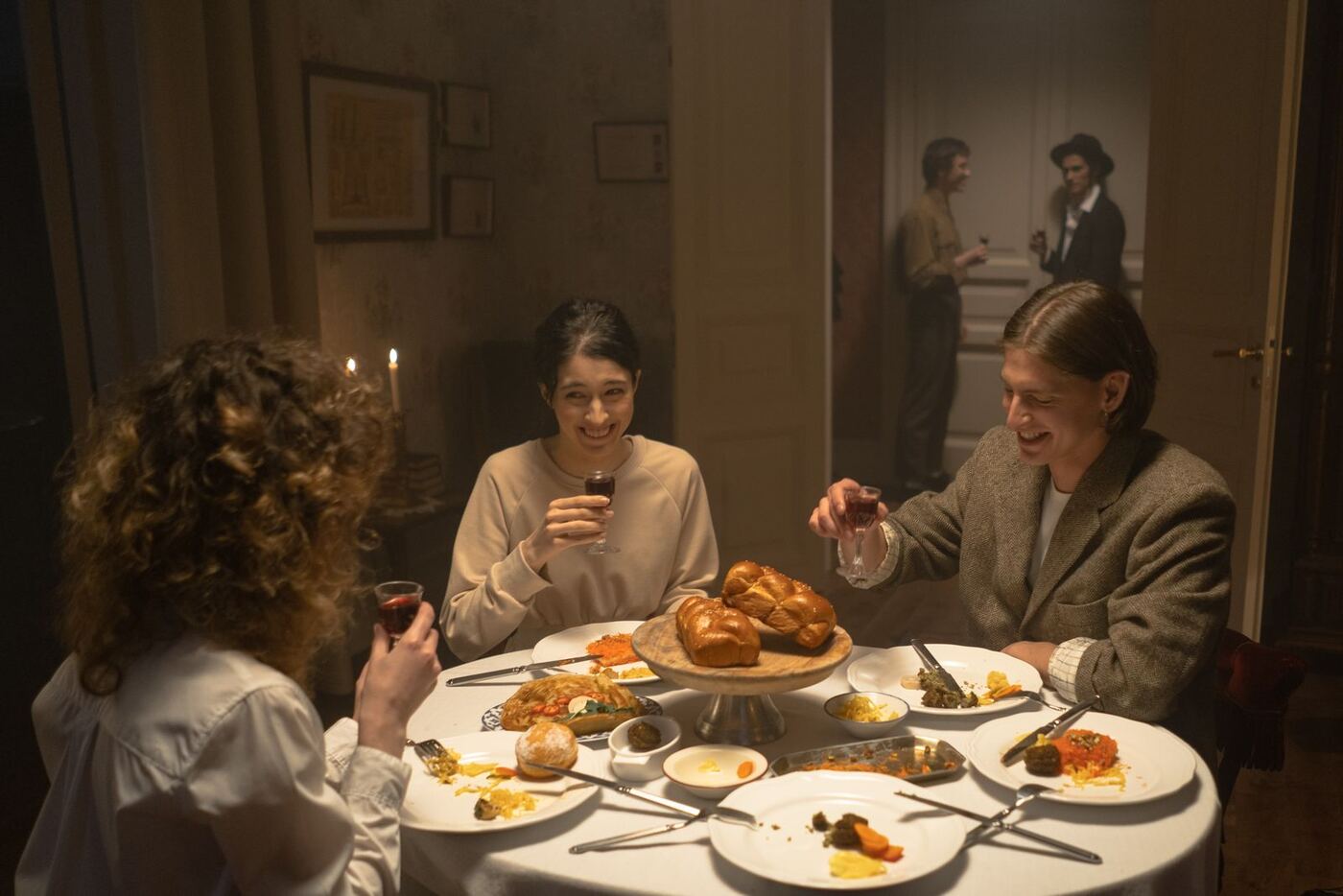
Family Tension at Holiday Meals: Jewish Wisdom for Keeping the Peace
Keep the peace at Thanksgiving, Chanukah and Seder tables: Jewish wisdom on seating, topics, judging favorably and silence. A private talk is welcome.
On this page · 3 min read
Why peace at the table mattersLessons from a peaceful SederPractical ideas for the Jewish tableWhen the tension is old and deepFor the holidays aheadTo keep the peace at a holiday meal, plan ahead, set a warm tone from the first minute, steer conversation toward shared memories and tradition, and choose silence over a sharp reply. Jewish wisdom treats peace in the home as a great mitzvah, worth a little effort and a little humility.
Why peace at the table matters
Jewish tradition holds up peace as one of the highest values. The Mishnah in Pirkei Avot (Ethics of the Fathers) teaches us to be among the disciples of Aaron, who loved peace and pursued peace. A holiday table, where generations and opinions meet, is where this is tested most. See also shalom bayit, peace in the home.
Lessons from a peaceful Seder
Here are eight steps for defusing a tense Passover Seder. They work for any family meal, whether Thanksgiving, a Chanukah party or Shabbat:
- Arrive upbeat. Greet everyone warmly and set a positive mindset before the meal begins.
- Start right away. Begin with well-loved songs or a toast so everyone feels connected, even if guests are still arriving.
- Give everyone a role. Let people help set the table, read, pour or make a plate.
- Raise a joyful toast. Make sure everyone has a full cup, including grape juice for those who do not drink wine.
- Know the order of the evening. A simple plan keeps the evening flowing.
- Invite participation and steer discussion. When a topic gets heated, gently redirect toward tradition, history and shared values.
- Choose materials everyone can follow, and avoid anything with a political slant.
- Stay lighthearted. Keep your humor and your affection for the group to the end.
Practical ideas for the Jewish table
- Seat people thoughtfully. Put those who clash apart, and put someone warm between them.
- Agree on topics before you sit. A simple "Let's keep politics for another day" is enough. Name it kindly and early.
- Ask about memories. "How did you celebrate this holiday as a child?" opens stories instead of arguments.
- Judge favorably. The Torah asks us to give others the benefit of the doubt (see judging others favorably). A harsh comment may come from stress or hurt.
- Use silence as wisdom. You do not need to answer every remark. Taking a breath, passing the salad, or stepping out for a moment is a strength.
- Respect different levels of observance. Relatives may keep Shabbat, kosher or neither. Everyone is a Jew and everyone is welcome (see keeping kosher with family).
- End with something good. A song, a blessing or a toast to the family leaves a warm last memory.
When the tension is old and deep
A dinner cannot heal everything. If family conflict is long-standing, whether between siblings, in-laws or over money, see family feuds and inheritance, sibling rivalry and forgiveness and making peace. For a personal situation, we do not give advice here. Please speak privately with the Rabbi or the Rebbetzin at talk to the Rabbi.
For the holidays ahead
Families in Lafayette, Moraga and Orinda often gather for Thanksgiving, Chanukah and the Passover Seder. Start preparing a week ahead, with the steps above.
In Lamorinda: Dreading a family gathering? Talk it over privately with the Rabbi or Rebbetzin: 925-384-7242 or /help/talk-to-the-rabbi.
Common questions
How do I keep the peace at a family holiday meal?
Plan seating and topics ahead, greet everyone warmly, start with songs or a toast, and redirect heated subjects to shared memories and tradition.
What does Judaism say about family arguments?
Judaism values peace highly, teaching us to love peace and pursue it, and to judge others favorably. See shalom bayit.
Should I stay silent when a relative says something hurtful?
Often, yes. Silence can be wise, and you can speak with the person privately later. For serious situations, ask the Rabbi.
How do I handle relatives with different levels of observance?
Welcome everyone as they are. Keep your own practice with dignity, and explain kindly without pressure. See keeping kosher with family.
Is it all right to ask guests not to discuss politics?
Yes. Naming the rule kindly and early, with a smile, is a common way to keep a meal peaceful.
Who can I talk to about a painful family situation?
The Rabbi and Rebbetzin welcome private conversations. Call 925-384-7242 or visit talk to the Rabbi.
Take the next step
- Call 925-384-7242 for a private talk before a difficult gathering.
- Read judging others favorably for a habit that changes the mood.
- Join us at a community event, a warm table where everyone is welcome.
Questions about this, or something on your mind? Message the Rabbi or the Rebbetzin privately, or call 925-384-7242. · Email
Read next
 Family Feuds and Inheritance Disputes: Making Peace Among RelativesWhen siblings or relatives fight over an inheritance, caring for a parent or an old hurt: Jewish law, mediation, and steps to bring a family back together.Read next →