
Learn › Shabbat & holidays › The Shabbat table and meals
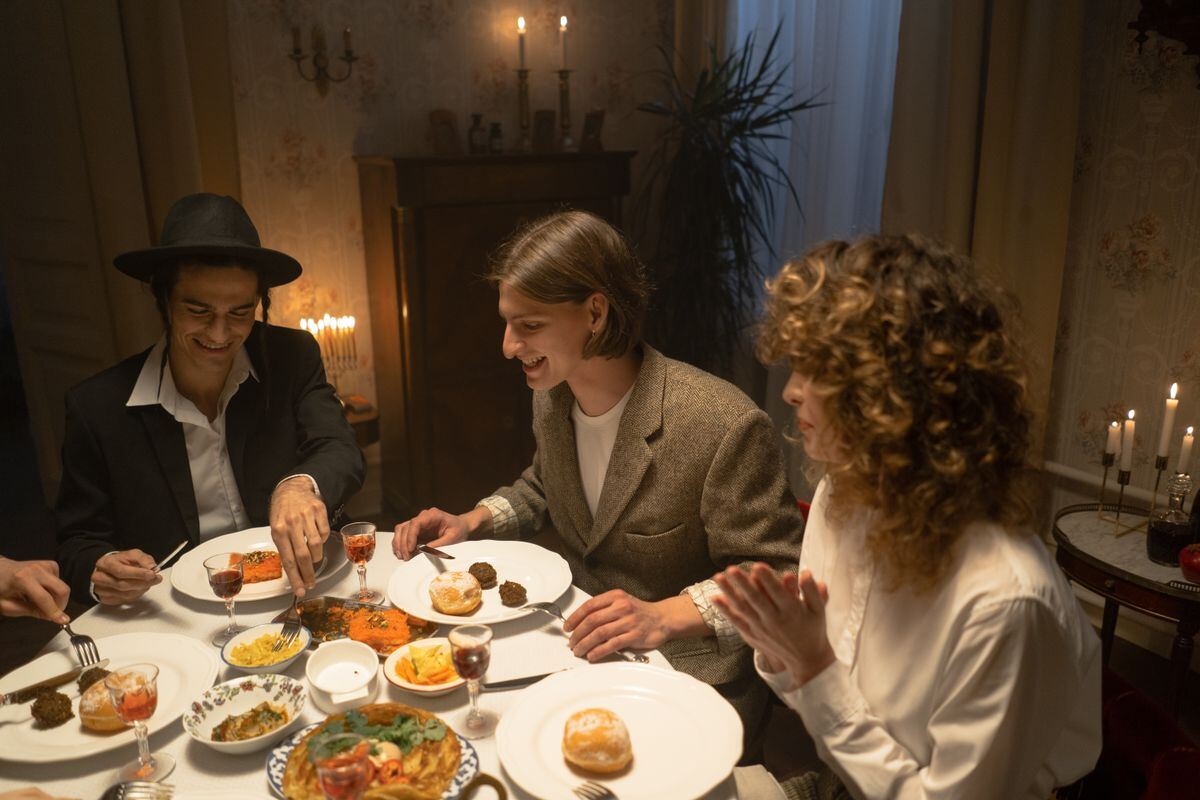
Cholent: the Shabbat Stew and Why We Eat It
What cholent is, why Jews eat a hot stew on Shabbat day, how it is kept warm from Friday, Sephardi hamin and a simple recipe outline.
On this page · 3 min read
Why cholent existsHot food on Shabbat dayHow cholent is kept warmWhat goes into cholentA simple home outlineSephardi hamin and dafinaCholent is the slow-cooked stew of meat, beans, barley and potatoes that Jews have eaten for lunch on Shabbat for centuries. It goes on the fire before Shabbat begins on Friday afternoon, simmers gently all night, and comes to the table on Saturday hot, rich and fragrant.
Why cholent exists
On Shabbat we do not cook. Lighting a fire and cooking food are among the creative activities the Torah asks us to rest from, from Friday before sunset until Saturday night. Yet the Sages also taught that Shabbat should be a delight, with good food and warm meals.
The answer, worked out by Jewish homes long ago, was simple: cook the food completely before Shabbat, then keep it warm until the next day. A pot that was ready on Friday afternoon could sit on a covered fire or in the baker's oven overnight, and by Shabbat lunch it was a deep, comforting stew. The name "cholent" is often explained as coming from the old French "chaud lent," "hot and slow."
Hot food on Shabbat day
Eating something hot on Shabbat morning is a cherished Jewish custom, not just a matter of taste. Long ago, some groups read the verse "Do not kindle a fire on the day of Shabbat" to mean that Jews must sit in the cold and dark all Shabbat. Jewish tradition taught otherwise: we prepare the fire before Shabbat and enjoy its warmth on Shabbat itself. A hot cholent on the table became a quiet, delicious way of showing that Shabbat is a day of joy and comfort.
How cholent is kept warm
The key rule is that the food should be fully cooked before Shabbat begins, and the heat is set up in advance and left alone. Common ways to do this:
- A slow cooker (crock-pot), turned on before Shabbat and not adjusted until after Shabbat.
- A blech, a metal sheet placed over the stovetop burners before Shabbat, with the flame or burner left on underneath. The pot sits on top all night.
- A warming plate (a "Shabbat hot plate") without temperature controls.
There are important details about stirring, adding water, taking food out and putting a pot back. These depend on your setup, so ask the Rabbi and he will gladly walk you through your kitchen.
What goes into cholent
Every family has its own version, but the basics are:
- Meat: beef chunks, flanken or short ribs, sometimes chicken.
- Beans: a mix of kidney, navy, pinto or lima beans.
- Barley, which thickens the stew.
- Potatoes, cut in large pieces so they hold together.
- Onions, garlic and seasonings such as paprika, salt, pepper and a little honey.
Many people tuck a kugel (a potato or noodle pudding) or a kishke (a stuffed casing) into the pot, and whole eggs in their shells, which turn brown and creamy overnight.
A simple home outline
- On Friday, brown the onions and meat in a little oil.
- Layer them in a slow cooker with soaked beans, barley and potatoes.
- Add seasoning and enough water to cover everything well.
- Cook it on high for a few hours so it is fully cooked well before Shabbat.
- Before candle lighting, set it to low and leave it until lunch on Shabbat day.
Make a small batch the first time and adjust the seasoning to your family's taste.
Sephardi hamin and dafina
Jews from Spain, North Africa and the Middle East have their own Shabbat stews. Hamin (from the Hebrew word for "hot") often uses chickpeas, rice, wheat berries and warm spices. Moroccan dafina ("covered") is famous for its brown eggs and sweet potatoes. Different ingredients, same idea: a warm meal ready for Shabbat without cooking on Shabbat.
In Lamorinda: Taste it for yourself: there is hot cholent at the Kiddush after Shabbat services (Saturday at 10 AM) every week at Chabad of Lamorinda, open to everyone.
Common questions
Is cholent eaten on Friday night too?
Usually not. Cholent is the classic Shabbat lunch, since it cooks overnight. Friday night dinner typically has soup, chicken or fish instead.
Can I make vegetarian cholent?
Yes. Leave out the meat and use more beans, barley, potatoes and vegetables. It is just as much a Shabbat tradition.
Can I open the slow cooker on Shabbat to serve?
There are specific rules about uncovering, stirring and serving from a pot that is still on the heat. Ask the Rabbi about your slow cooker or stovetop setup.
Where can I taste cholent in Lamorinda?
Every Shabbat after services at Chabad of Lamorinda, the Kiddush includes a hot bowl of cholent. Families from Lafayette, Moraga and Orinda are all welcome.
Questions about this, or something on your mind? Message the Rabbi or the Rebbetzin privately, or call 925-384-7242. · Email
Read next
 The Three Shabbat Meals: Customs, Order and What to ServeWhat the three Shabbat meals are, the order of a Friday night dinner, the blessings over wine and challah, songs, and traditional Shabbat foods.Read next →