
Learn › Life cycle › Bar and Bat Mitzvah
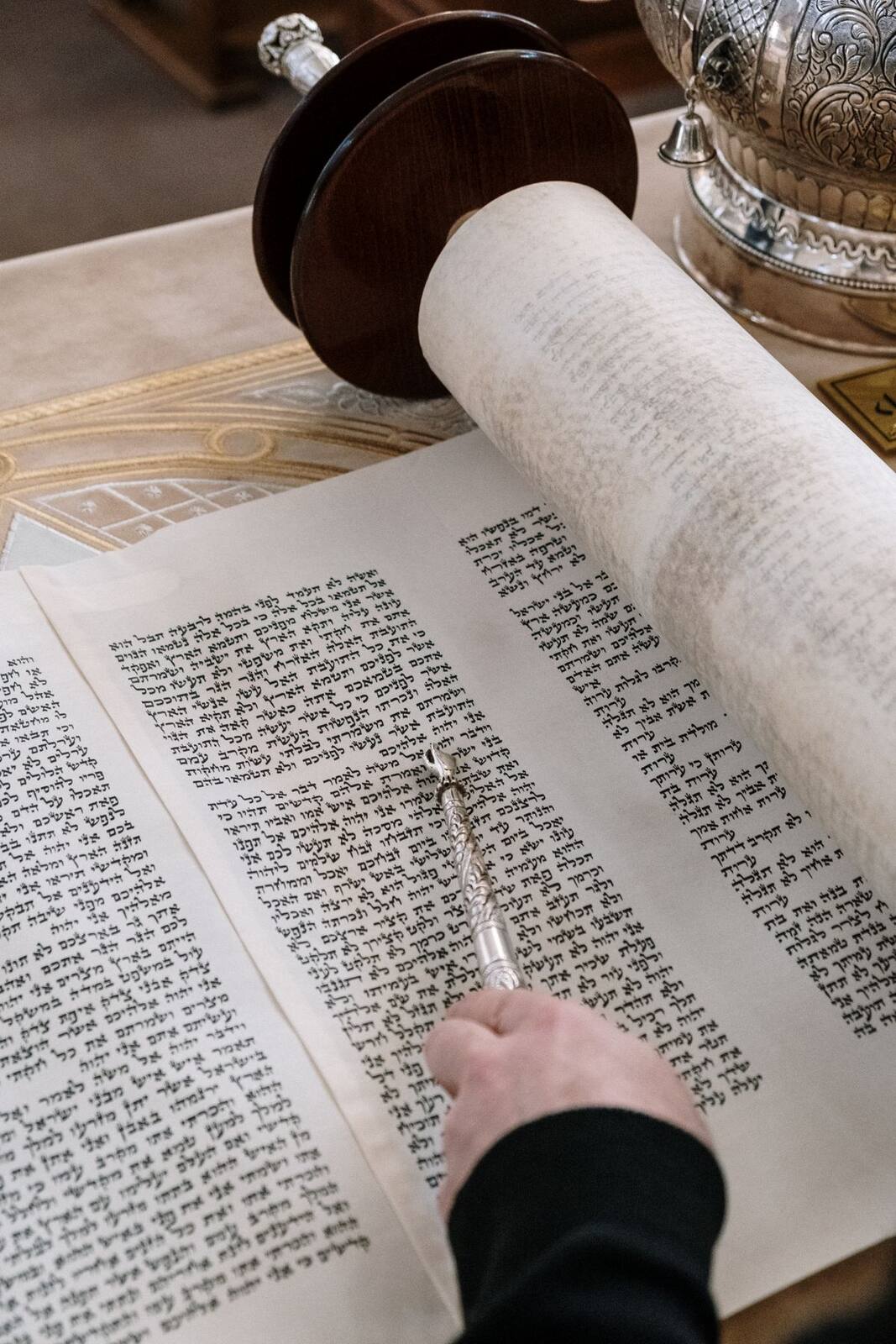
Bar Mitzvah Speech: How to Write and Give a D'var Torah
How to write a bar mitzvah speech: a simple structure, linking it to the Torah portion, a Chassidic thought, thanking parents and tips for the day.
Part 10 of 18 · Bar and Bat Mitzvah, step by step
Bar and Bat Mitzvah: get started Tell us about your child and the Rabbi or Rebbetzin will be in touch to plan the preparation and the celebration. Adults who never had a bar or bat mitzvah are welcome too.
On this page · 2 min read
A simple structureConnecting to the Torah portionAdding a Chassidic thoughtThe Chabad custom: the maamarThanking parents and familyTips for delivering itAt most bar mitzvah celebrations, the bar mitzvah boy stands up and shares a short Torah thought, called a d'var Torah or drasha. For many boys it is the first time they teach Torah in public. It does not need to be long or complicated. It needs to be his.
A simple structure
A good speech has four parts:
- Opening. Welcome everyone and say what a special day it is.
- The Torah idea. Share one thought from the Torah, usually from the portion of the week of the bar mitzvah.
- The lesson. Explain what the idea means for him, now that he is 13 and responsible for the mitzvot.
- Thank you. Thank G-d, his parents, family, teachers and guests.
Five to ten minutes is plenty. One clear idea is better than three rushed ones.
Connecting to the Torah portion
Find the weekly parsha for the week of his Hebrew birthday or the Shabbat he is called to the Torah. Read a summary together and look for one story, word or mitzvah that speaks to him. Then ask:
- What is happening here?
- What question would a curious reader ask?
- What answer do the commentaries give?
- What does it teach me about being a Jewish adult?
Adding a Chassidic thought
A Chassidic insight gives the speech depth. Chassidus often looks at the inner meaning of a verse: how a story in the Torah is also happening inside each of us. A favorite theme for a bar mitzvah is tefillin, which binds the mind and the heart to G-d. The Rabbi can suggest an idea from the Rebbe's talks on his portion.
The Chabad custom: the maamar
In Chabad communities, the bar mitzvah boy traditionally recites a maamar, a Chassidic discourse, about the mitzvah of tefillin, which begins with the words "Lehavin inyan tefillin." Some boys learn the whole maamar by heart, others say part of it or read it, often in addition to a short talk in English. It is a beautiful custom, and it is fine to choose a simpler talk instead. Ask the Rabbi what suits your son.
Thanking parents and family
The thank-you section is often the part people remember most. Encourage your son to be specific and sincere: a moment he remembers, something a parent taught him, a grandparent who inspired him. Honoring parents is itself a mitzvah. See Honoring Parents.
Tips for delivering it
- Practice out loud several times, in front of family.
- Print it in large type with space between lines.
- Speak slowly and look up at the audience now and then.
- It is fine to be nervous. Everyone in the room is on his side.
In Lamorinda: Bar mitzvah boys in Lafayette, Moraga, Orinda and the East Bay: Rabbi Yisroel Labkowski is glad to help write and practice the speech, 925-384-7242.
Common questions
Does the speech have to be about the Torah portion?
No. The portion is the most common choice, but a speech about tefillin, a mitzvah he is taking on, or the upcoming holiday is also wonderful.
Should my son write it himself?
Yes, as much as possible. Parents and the Rabbi can guide and edit, but the speech is most meaningful when the ideas and words are his own.
When should we start working on it?
A few months before the bar mitzvah is a good time. This leaves room for a draft, a rewrite and plenty of practice.
Can the Rabbi help?
Yes. Rabbi Labkowski is glad to meet with your son, suggest ideas and help him practice. Call 925-384-7242. See also our guide to the bar mitzvah.
Step by step · Part 10 of 18
Bar and Bat Mitzvah, step by step
NextBaruch Shepatarani: The Father's Blessing at a Bar Mitzvah and the Parents' MomentWhat is Baruch Shepatarani? The short blessing a father says at his son's Bar Mitzvah aliyah, what it means, and ways for parents to bless their child.All 18 parts
- Bar Mitzvah: What It Means and How to Prepare
- Bat Mitzvah: What It Means and How to Celebrate at 12
- Preparing for a Bar or Bat Mitzvah: A Step-by-Step Timeline
- A Meaningful Bar or Bat Mitzvah on a Budget: What Matters Most
- Bar and Bat Mitzvah Invitation Wording: Hebrew Dates, Names and Warm Examples
- Bar Mitzvah in Israel: Planning a Western Wall Bar or Bat Mitzvah
- Bar or Bat Mitzvah Date and Torah Portion: How to Find Yours
- Tefillin: What They Are and How to Put Them On
- Starting Tefillin Before the Bar Mitzvah: When, How and the First Time
- Bar Mitzvah Speech: How to Write and Give a D'var Torah
- Baruch Shepatarani: The Father's Blessing at a Bar Mitzvah and the Parents' Moment
- Attending a Bar or Bat Mitzvah: A Guest's Guide
- How Much to Give? Bar Mitzvah, Wedding and Baby Gifts in Multiples of 18
- Tzedakah at a Bar or Bat Mitzvah: Giving Part of the Gifts
- Bat Mitzvah Projects: Meaningful Ideas for the Celebration
- Bar and Bat Mitzvah for a Child with Special Needs
- Adult Bar or Bat Mitzvah: It Is Never Too Late to Celebrate
- A Second Bar Mitzvah at 83: Celebrating Seventy More Years
Questions about this, or something on your mind? Message the Rabbi or the Rebbetzin privately, or call 925-384-7242. · Email
Read next
 Bar Mitzvah: What It Means and How to PrepareWhat a bar mitzvah is, why it happens at 13, how to prepare, and what takes place at the ceremony and celebration.Read next →