
Learn › Prayer & Torah › Blessings (brachot)
Asher Yatzar: The Blessing After Using the Restroom
The Asher Yatzar blessing: what its words mean, why we thank G-d for the body's workings, washing hands first, and how to teach children.
On this page · 2 min read
What the words meanWhy we thank G-d for thisHow to say itTeaching childrenEvery time we use the restroom, Jewish tradition gives us a short blessing to say afterward, called Asher Yatzar, "who formed." It thanks G-d for one of the most ordinary and most amazing things of all: a body that works.
What the words mean
In English, the blessing says:
"Blessed are You, L-rd our G-d, King of the universe, who formed man with wisdom and created in him many openings and many hollow spaces. It is revealed and known before the throne of Your glory that if one of them were opened, or if one of them were blocked, it would be impossible to survive and stand before You. Blessed are You, L-rd, who heals all flesh and does wonders."
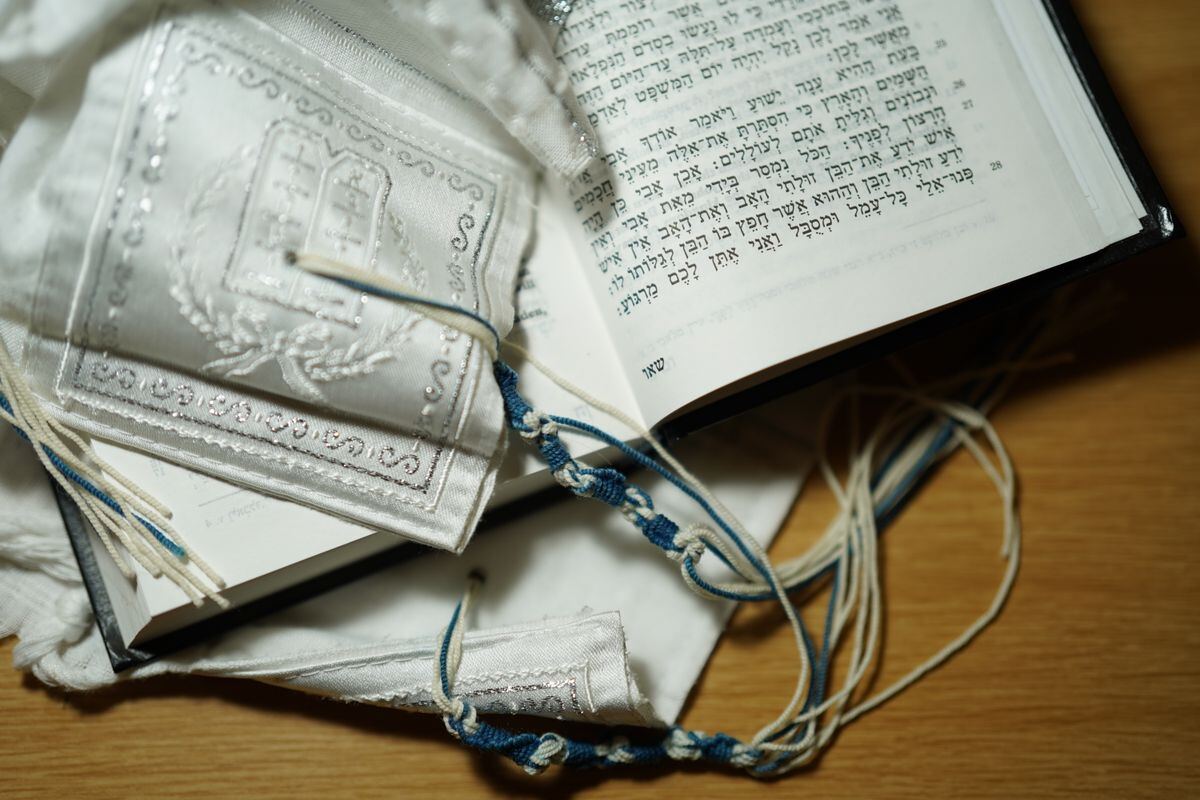
The Hebrew text is in every siddur, among the morning blessings. In the morning, it is said as part of the morning blessings; the rest of the day it is said on its own after each time.
Why we thank G-d for this
It is easy to take the body for granted until something goes wrong. Anyone who has been ill, or has cared for someone who was, knows how much depends on every part working just right. Asher Yatzar turns a private, everyday moment into gratitude.
The blessing ends with "who heals all flesh and does wonders." The commentators explain that the wonder is how the soul, which is spiritual, is joined to a physical body and keeps it alive. Our Sages teach that the body is a gift to be cared for. See the Jewish view of health and the body.
How to say it
- Wash your hands with water after leaving the restroom. No blessing is said over this washing, except as part of the morning routine; see netilat yadayim.
- Say Asher Yatzar outside the restroom, in a clean place.
- Say it each time you use the restroom, day or night.
If you forgot to say it, you may still say it for a while afterward. Ask the Rabbi if you are unsure.
Teaching children
Children can learn Asher Yatzar once they are toilet trained. A few ideas:
- Hang a card with the blessing outside the bathroom door, at child height.
- Say it together at first, then let them lead.
- Explain it simply: "Our body has lots of tubes and openings, and they all work just right. Let's say thank you to G-d."
- Praise the habit, not perfection. Like Modeh Ani in the morning, it builds a lifelong habit of saying thank you.
In Lamorinda: Want a printed Asher Yatzar card for your home in Lafayette, Moraga or Orinda? Call Rabbi Yisroel Labkowski at 925-384-7242.
Common questions
Do I say Asher Yatzar every time?
Yes. The blessing is said after each time you use the restroom.
Do I say "al netilat yadayim" when washing after the restroom?
Not during the day. That blessing is said on washing in the morning and before eating bread. After the restroom we wash and say only Asher Yatzar. In the morning, both are part of the morning blessings.
Can I say it in English?
Yes. A blessing said with understanding in any language counts. Many people learn it in Hebrew over time.
Where can I find the Hebrew text?
In any siddur, among the morning blessings. We are happy to give you a card for your home.
Questions about this, or something on your mind? Message the Rabbi or the Rebbetzin privately, or call 925-384-7242. · Email
Read next
 Jewish Blessings Over Food: Which Bracha to Say and WhenA simple guide to Jewish blessings (brachot): the six blessings before food, the blessings after eating, Shehecheyanu, and how to say them.Read next →