
Learn › Prayer & Torah › Blessings (brachot)
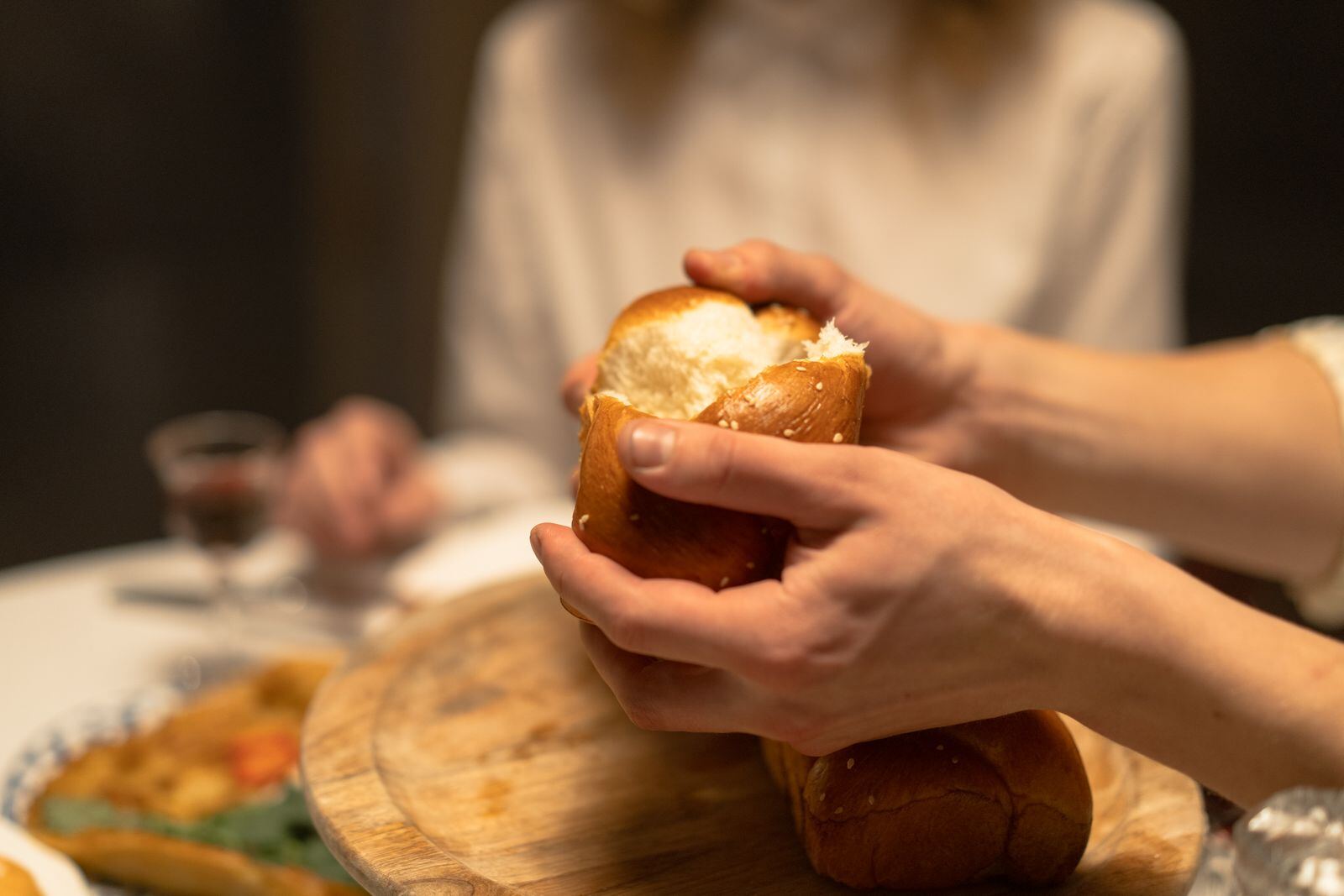
Netilat Yadayim: How to Wash Hands the Jewish Way
What netilat yadayim is, how to wash hands with a cup step by step, the blessing in Hebrew and English, and when Jewish law calls for washing.
On this page · 2 min read
What netilat yadayim meansWhen do we wash?How to wash for bread, step by stepThe blessingMorning washingNetilat yadayim is the Jewish ritual of washing the hands with a cup. It is not about getting clean, since the hands should already be clean; it is a moment of spiritual preparation, done before eating bread, after waking up and at a few other times.
What netilat yadayim means
Netilat yadayim means "lifting the hands." The name recalls the natla, the vessel used for washing, and the idea of lifting our hands, and ourselves, to a higher level. The Sages compared the table to the altar of the Holy Temple, where the Kohanim washed their hands before serving. When we wash before bread, we turn an ordinary meal into a holy act.
When do we wash?
- Before eating bread. This washing has a blessing (below).
- When waking up in the morning. Many keep a cup and basin by the bed and wash right after saying Modeh Ani. This is often called negel vasser, Yiddish for "nail water."
- Before prayer, if your hands are not clean.
- After using the bathroom, followed by the Asher Yatzar blessing.
- After leaving a cemetery or being near the deceased, without a blessing.
How to wash for bread, step by step
- Make sure your hands are clean and free of anything that blocks the water, and remove rings so water reaches every part of the hand.
- Fill a cup with enough water to cover the whole hand (a revi'it or more; ask the Rabbi which size cup to use). A cup with two handles makes it easy, but any whole cup without holes works.
- Pour on the right hand. Hold the cup in your left hand and pour over your whole right hand, up to the wrist. The Chabad custom is to pour three times on the right hand.
- Pour on the left hand. Switch hands and pour three times over the left hand. Many other communities pour twice on each hand.
- Say the blessing, raising your hands slightly, then rub your hands together.
- Dry your hands well.
- Do not speak until you have said Hamotzi and eaten a bite of bread.
The blessing
Hebrew: בָּרוּךְ אַתָּה ה' אֱלֹקֵינוּ מֶלֶךְ הָעוֹלָם, אֲשֶׁר קִדְּשָׁנוּ בְּמִצְוֹתָיו, וְצִוָּנוּ עַל נְטִילַת יָדָיִם
Transliteration: Baruch atah Ado-nai, Elo-heinu melech ha'olam, asher kid'shanu b'mitzvotav, v'tzivanu al netilat yadayim.
Translation: Blessed are You, L-rd our G-d, King of the universe, who has made us holy with His commandments, and commanded us concerning washing the hands.
Morning washing
In the morning, Chabad custom is to pour water alternately: right hand, left hand, three times each. The Chabad custom is to wash again after getting dressed and using the restroom, and only then to say the blessing al netilat yadayim, followed by Asher Yatzar and the other morning blessings. The washing removes the spiritual impurity of sleep and starts the day fresh, ready to serve G-d.
In Lamorinda: Want a washing cup for your home, or a hand learning any blessing? Call Rabbi Labkowski at 925-384-7242.
Common questions
Can I just use the faucet?
Washing for bread needs water poured from a vessel through human effort, so a faucet alone does not work. If no cup is available, ask the Rabbi; in a pinch there are other solutions.
What if I talked after washing?
Talking about something unrelated before Hamotzi is best avoided. If you did speak, do not wash again with a blessing; ask the Rabbi if you are unsure.
Do children wash too?
Yes. Children who are old enough to eat bread at the table are taught to wash and say the blessing, which makes it a lovely habit from a young age.
Do I wash before eating cake or crackers?
No. Washing with a blessing is for bread. Foods over which you say mezonot do not need washing, unless you eat a full meal of them. For crackers and similar foods, ask the Rabbi which blessing applies.
Questions about this, or something on your mind? Message the Rabbi or the Rebbetzin privately, or call 925-384-7242. · Email
Read next
 Jewish Blessings Over Food: Which Bracha to Say and WhenA simple guide to Jewish blessings (brachot): the six blessings before food, the blessings after eating, Shehecheyanu, and how to say them.Read next →