
Learn › Shabbat & holidays › Shabbat: getting started
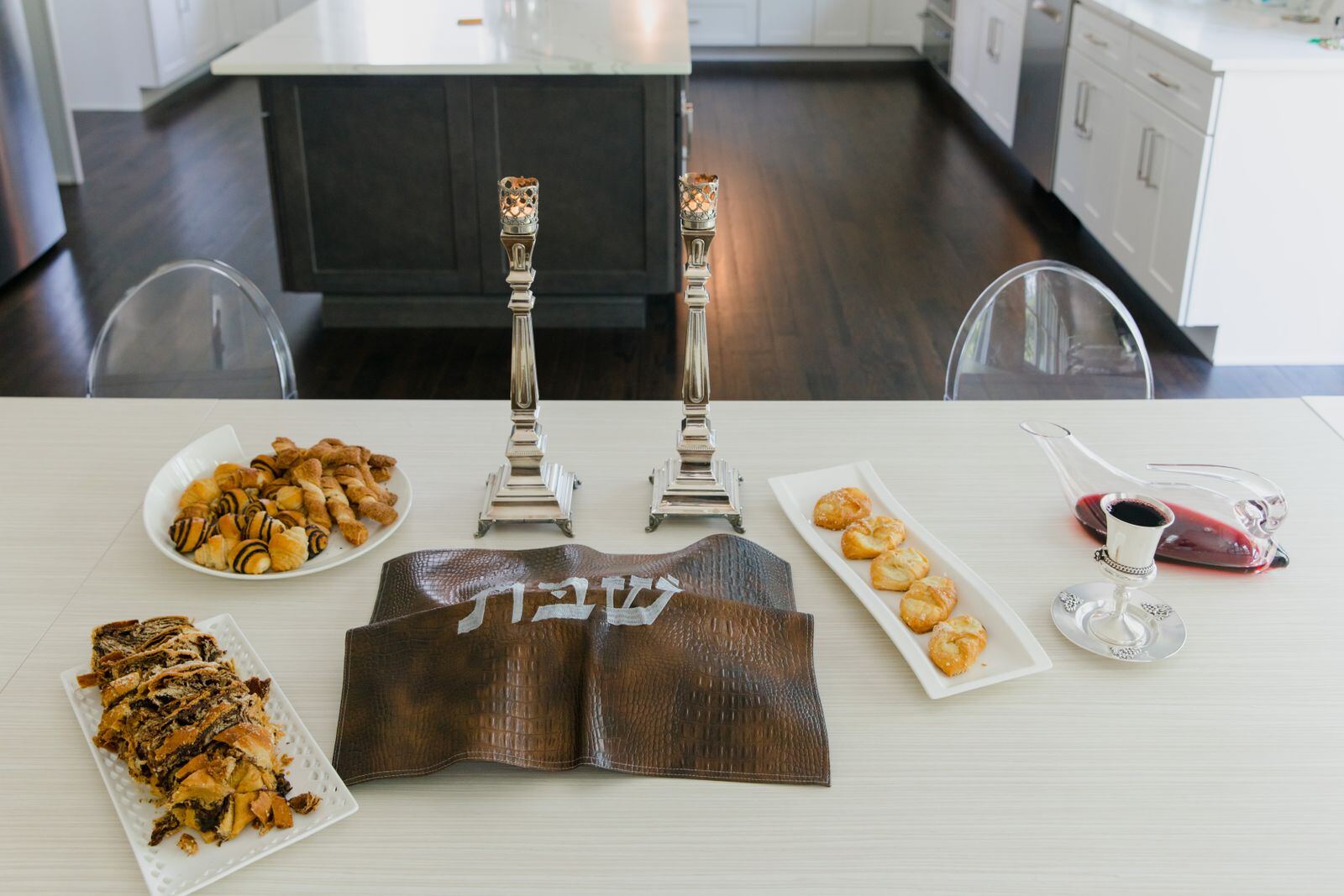
Shabbat: What It Is and How to Celebrate It
A plain-English guide to Shabbat, the Jewish day of rest: what it means, when it starts and ends, and how to celebrate it at home step by step.
On this page · 2 min read
What Shabbat isWhy it mattersHow to celebrate Shabbat, step by stepWhat is not done on ShabbatShabbat (Sabbath) is the Jewish day of rest, from just before sunset on Friday until nightfall on Saturday. It is a weekly gift of 25 hours to step away from work and screens and focus on family, friends, prayer, good food and G-d.
What Shabbat is
Shabbat (שַׁבָּת) means "rest." The Torah teaches that G-d created the world in six days and rested on the seventh, and the Fourth Commandment asks us to "remember the Shabbat day to keep it holy." Jews have kept Shabbat for over 3,000 years, and many say that as much as the Jewish people kept Shabbat, Shabbat kept the Jewish people.
Why it matters
Shabbat is not just a day off. It is a different kind of time:
- A reminder that G-d created the world. By resting, we testify that the world has a Creator.
- Freedom. For one day a week we are not slaves to our work, phones or to-do lists.
- Connection. Shabbat is time for real conversation, family meals and community.
- Holiness. Chassidic teaching describes Shabbat as a day when the whole week is elevated and the soul gets a taste of the World to Come.
How to celebrate Shabbat, step by step
You do not have to do everything at once. Each mitzvah is valuable on its own.
- Prepare. Shop, cook and tidy on Friday so the house feels festive. Many put a few coins in a tzedakah box before Shabbat.
- Light candles. Women and girls light Shabbat candles 18 minutes before sunset on Friday. Check the time for your area on our Shabbat page.
- Go to synagogue or pray at home. Friday evening prayers welcome Shabbat with the song Lecha Dodi.
- Make Kiddush. Before the meal, say Kiddush over wine or grape juice.
- Wash and eat challah. Wash hands with a cup, then say Hamotzi over two loaves of challah.
- Enjoy the meals. Shabbat has three meals: Friday night, Saturday lunch and a light third meal late Saturday afternoon. Sing, share Torah thoughts and linger.
- Rest. On Shabbat we refrain from creative work (melachah), such as writing, cooking, driving and using electronics. We also do not handle money or tools (see muktzeh).
- Say goodbye with Havdalah. After nightfall on Saturday, Havdalah separates Shabbat from the new week.
What is not done on Shabbat
The Talmud lists 39 categories of creative work that were used to build the Tabernacle in the desert. Examples include cooking, kindling or extinguishing fire, writing, building, sewing and carrying in a public area. Since these rules have many details, ask the Rabbi about specific situations. Saving a life always overrides Shabbat.
In Lamorinda: We would love to have you at a Shabbat table and can help you start your own Shabbat at home. Call 925-384-7242.
Common questions
When does Shabbat start and end?
Shabbat begins at sunset on Friday, with candles lit 18 minutes earlier, and ends on Saturday night when three stars appear, roughly 40 to 50 minutes after sunset. Times change every week and by location. Our Shabbat page lists local times.
Do I have to keep every rule to celebrate Shabbat?
No. Every mitzvah stands on its own, and lighting candles or making Kiddush is meaningful even if you are not ready for more. Many people add one step at a time.
Can non-observant Jews come to a Shabbat dinner?
Absolutely. Shabbat is for every Jew, whatever their background or level of knowledge. Guests are welcome to just come, enjoy and ask questions.
What do you say on Shabbat?
The traditional greeting is "Shabbat Shalom," meaning "a peaceful Shabbat." Many also say "Good Shabbos." On Saturday night people wish each other "Shavua Tov," a good week.
Why is it 25 hours and not 24?
We add time at both ends, starting a bit early and ending a bit late, to make sure we never cut Shabbat short. This "adding from the weekday to the holy" shows our love for the day.
Questions about this, or something on your mind? Message the Rabbi or the Rebbetzin privately, or call 925-384-7242. · Email
Read next
 Shabbat Candles: How and When to Light, With the BlessingHow to light Shabbat candles: the time, how many candles, the blessing in Hebrew and English, and who lights. A simple step-by-step guide.Read next →