
Learn › Shabbat & holidays › The Shabbat table and meals
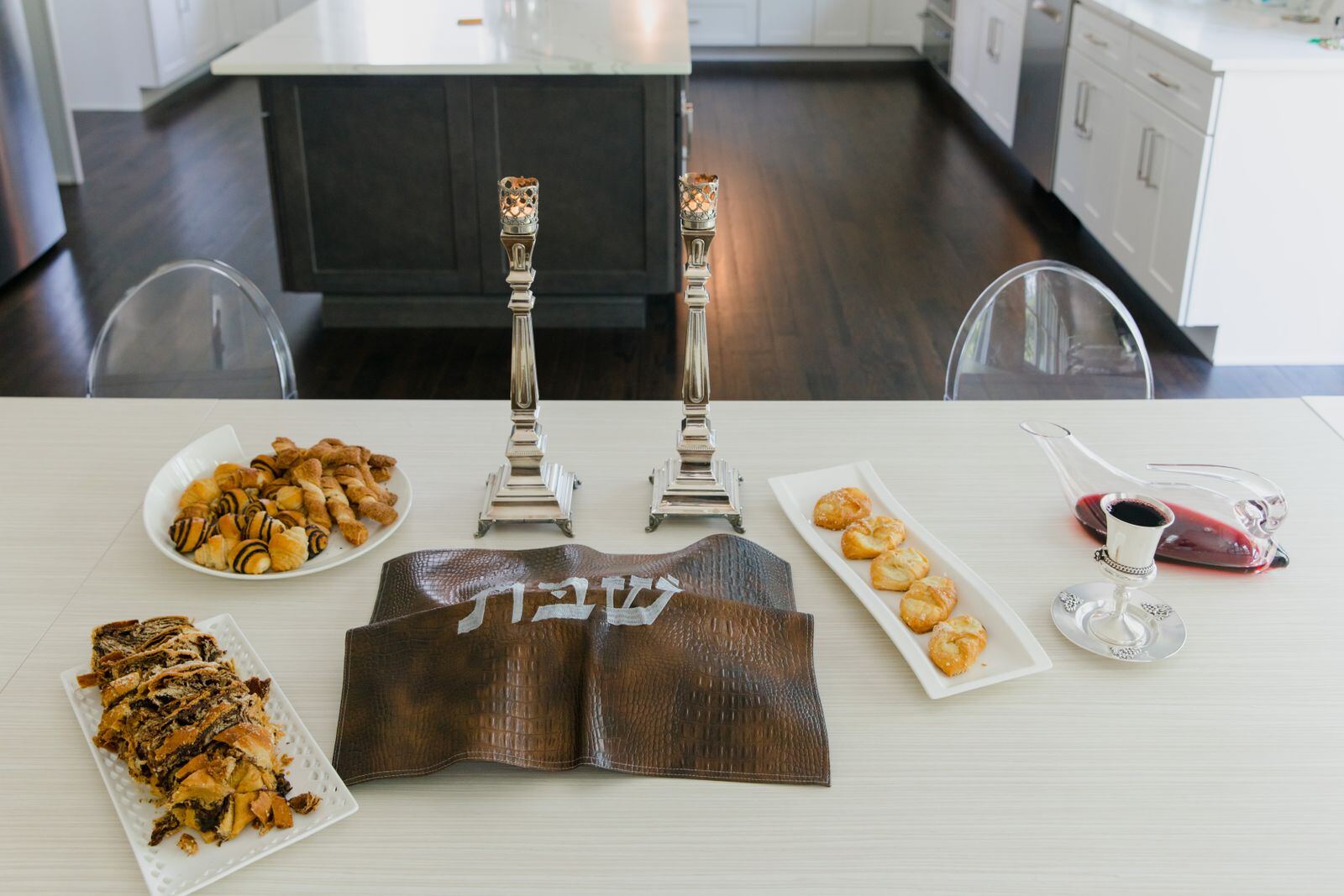
Seudah Shlishit: The Third Shabbat Meal
What is seudah shlishit, the third Shabbat meal? Its source, when it is eaten, whether it needs bread, and the quiet mood of late Shabbat afternoon.
Part 20 of 23 · Shabbat, step by step
On this page · 3 min read
Where does the third meal come from?When is it eaten?Do you need bread?The mood of the late afternoonHow to make it simpleSeudah shlishit (סְעוּדָה שְׁלִישִׁית), also called shalosh seudos, is the third meal of Shabbat, a light meal eaten in the late afternoon between the afternoon prayer, Mincha, and the evening prayer, Maariv. Jews eat three meals on Shabbat, and the third is a special time of closeness to G-d.
Friday night dinner and Shabbat lunch get most of the attention, but this quieter meal, as the day starts to fade, is worth discovering for families in Lafayette, Moraga and Orinda.
Where does the third meal come from?
The source is the manna that fell in the desert. In the verse about Shabbat, the word hayom, "today," appears three times: "Eat it today, for today is a Shabbat to G-d; today you will not find it in the field" (Exodus 16:25). The Talmud (Shabbat 117b) learns from the three "todays" that we eat three meals on Shabbat.
You can read more about the meals in Shabbat meals and the rest of the day in Shabbat day.
When is it eaten?
The third meal is eaten in the afternoon, after the Mincha prayer. It is a light meal between Mincha and Maariv. Ask the Rabbi what time works for your family, since the afternoon changes through the year. You can find the sunset time for this week on Shabbat times.
The Zohar calls the Shabbat afternoon raava deraavin, a time of especially favorable Divine will. That is why it is such a special time to be together.
Do you need bread?
Here, customs differ.
- According to Jewish law (Orach Chaim 291), eating bread at the third meal is something the authorities are lenient about, and many families eat a simple meal, with or without challah.
- Chabad Chassidim are not strict about a full meal with challah at the third meal, and usually taste some food. The Rebbes of Chabad felt a spiritual light at this time, and Chabad Chassidim follow their example.
- The reason given is that the manna was "bread" but could not be found in the field after the third "today," so we recall that by not making this meal a full bread meal.
Because customs vary, the Rabbi can tell you what is right for your family. What is important is that you have something to eat in honor of Shabbat, so that you do not skip the third meal altogether. Even a taste of food is enough; a full meal with bread is not required.
The mood of the late afternoon
Chassidic teaching describes this time as a gentle glow, as Shabbat starts to say goodbye. The third meal reminds us of the World to Come, a time without eating or drinking, and some feel the light so strongly that eating is hard. For most of us, it is simply a time to slow down.
Families often use the time for:
- Singing. The songs are often slow and full of longing; see niggun and zemirot.
- A word of Torah about the weekly portion, maybe from this week's parsha.
- Quiet conversation with children and friends, with no rush.
How to make it simple
- Pick a time after Mincha, and ask the Rabbi what time suits your home.
- Put out something easy: leftover challah, salads, fruit, a pot of tea.
- Wash and say the blessing over bread if your family does so, or take a taste of any food, as the Rabbi advises.
- Sing a song or two.
- Then prepare for Maariv and Havdalah.
In Lamorinda: Come to Shabbat in Lafayette and ask Rabbi Labkowski, 925-384-7242, how a family can keep the third meal simply, in Lafayette, Moraga or Orinda.
Common questions
What is seudah shlishit?
Seudah shlishit is the third meal of Shabbat, eaten in the late afternoon between Mincha and Maariv.
Why do we eat three meals on Shabbat?
The word "today" appears three times in the Torah's verse about the manna on Shabbat, and the Talmud learns from this that we eat three meals.
Do I need to eat bread at seudah shlishit?
Eating bread is something the authorities are lenient about, and Chabad Chassidim usually taste some food without a full bread meal. Ask the Rabbi what is right for your family.
When do you eat the third meal?
In the late afternoon, between Mincha and Maariv. Ask the Rabbi for the best time in your home.
What do people eat at the third meal?
Many families keep it simple. Chabad Chassidim usually taste just a little food. Ask the Rabbi what is right for your family.
What do you do after the third meal?
We pray Maariv, the evening prayer, and mark the end of Shabbat with Havdalah. See Havdalah.
Take the next step
- Try a simple third meal this Shabbat and sing one song.
- Read about Shabbat meals and niggunim.
- Call 925-384-7242 to ask about joining Shabbat in Lafayette, from Friday night to Saturday morning.
Step by step · Part 20 of 23
Shabbat, step by step
NextThe 39 Melachot: What Counts as Work on ShabbatWhat the 39 categories of creative work forbidden on Shabbat are, where they come from, the full list in plain English, and how they apply today.All 23 parts
- Shabbat for Beginners: How to Start Keeping Shabbat
- Getting Ready for Shabbat: A Friday Checklist
- Setting the Shabbat Table: Candles, Two Challahs, Kiddush Cup and Salt
- What to Wear on Shabbat and to Synagogue: Dress for Shabbat Explained
- How to Keep Food Warm on Shabbat: The Blech, Hot Plate and Urn
- Shabbat Candles: How and When to Light, With the Blessing
- Early Shabbat in Summer: Why Kabbalat Shabbat Can Start Before Sunset
- Friday Night Dinner, Step by Step: Your First Shabbat Meal at Home
- Kabbalat Shabbat: Welcoming Shabbat on Friday Night
- Lecha Dodi: Meaning, Author and Why We Turn to Welcome Shabbat
- Shalom Aleichem: The Friday Night Song Welcoming the Angels
- Kiddush: How to Make Kiddush on Shabbat and Holidays
- Kiddush Without Wine: Grape Juice and Alcohol-Free Options
- Hamotzi: The Blessing Over Bread in Hebrew and English
- The Three Shabbat Meals: Customs, Order and What to Serve
- An Easy Shabbat Dinner Menu: Five Simple Courses You Can Make Friday
- How to Share a Short Torah Thought at Your Shabbat Table
- Shabbat Table Songs (Zemirot): Singing at the Shabbat Meal
- Shabbat Day: From Morning Services to the Last Light
- Seudah Shlishit: The Third Shabbat Meal
- The 39 Melachot: What Counts as Work on Shabbat
- Techum Shabbat: How Far May You Walk on Shabbat?
- Havdalah: How to End Shabbat With Wine, Spices and Flame
Questions about this, or something on your mind? Message the Rabbi or the Rebbetzin privately, or call 925-384-7242. · Email
Read next
 The Three Shabbat Meals: Customs, Order and What to ServeWhat the three Shabbat meals are, the order of a Friday night dinner, the blessings over wine and challah, songs, and traditional Shabbat foods.Read next →