
Learn › Shabbat & holidays › Yom Kippur
Kol Nidre: Meaning, Time and What Happens
What Kol Nidre is, why it opens Yom Kippur, what the words mean, when it starts and what to expect at the service.
Part 17 of 20 · The High Holidays, step by step
On this page · 2 min read
What Kol Nidre meansWhy it opens Yom KippurWhat happens at the serviceCustoms on Kol Nidre nightKol Nidre is the prayer that opens Yom Kippur on the evening the holiday begins. It is a formal release from personal vows, chanted three times before sunset, and it sets the tone of humility and return for the holiest day of the year.
What Kol Nidre means
Kol Nidre means "all vows." The text, mostly in Aramaic, declares that personal vows and promises we make to ourselves or about ourselves are released, so that we do not enter Yom Kippur weighed down by unkept commitments.
In the Chabad text, as in many communities, the wording looks ahead: "from this Yom Kippur until the next Yom Kippur, may it come to us for good." It is a kind of advance declaration, in case we make a careless vow during the year.
Kol Nidre does not cancel promises to other people, contracts or oaths in court. Those cannot be undone by a prayer.
Why it opens Yom Kippur
Words matter in Judaism. A vow is taken very seriously in the Torah. By starting Yom Kippur with Kol Nidre, we recognize that we are imperfect, that we sometimes say things we do not keep, and that we come before G-d honestly.
Many people also link Kol Nidre to Jews in hard times, such as those forced to hide their Judaism, who came back to pray with the community on this night. Whatever its history, the melody has moved Jews for centuries.
What happens at the service
- Arrive before sunset. Kol Nidre should begin while it is still day. Check the start time on our holidays page or with our zmanim tool.
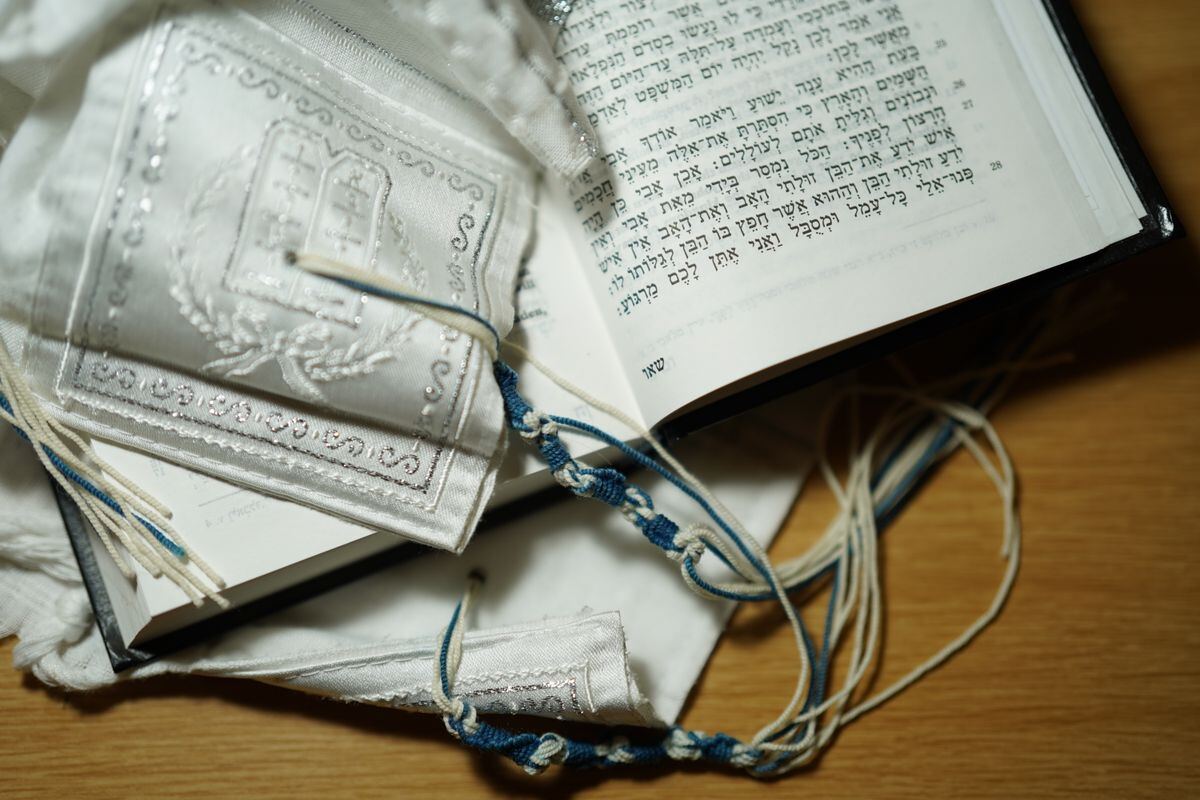
- Put on a tallit. Men put on a tallit with its blessing before sunset. It is the only evening of the year this is done.
- The Torah scrolls are taken out and held near the cantor, often by respected members of the community.
- Or zarua latzadik. The verse "Light is sown for the righteous" (Psalm 97:11) is said.
- Permission to pray with everyone. A short declaration allows the congregation to pray together with all Jews, including those who have sinned. On Yom Kippur, no one is left out.
- Kol Nidre is chanted three times, each time a little louder, and the congregation says it quietly along with the cantor.
- Shehecheyanu is then said, thanking G-d for bringing us to this day. Women who already said it when lighting candles do not repeat it.
- The evening service (Maariv) follows, including the confessions and Avinu Malkeinu, except on Shabbat.
Customs on Kol Nidre night
- Many wear white, a sign of purity and of the angels.
- Leather shoes are not worn on Yom Kippur.
- Before leaving home, parents bless their children and the holiday candles are lit. A memorial candle is also lit by those who have lost a parent.
- Many stay after the service to say Psalms.
In Lamorinda: Join us for Kol Nidre and all Yom Kippur services; reserve at jewishlamorinda.com/forms/high-holidays or call 925-384-7242.
Common questions
What time does Kol Nidre start?
Kol Nidre begins shortly before sunset on the eve of Yom Kippur, after the final meal and candle lighting. The exact time changes each year. Check our Yom Kippur page or call us.
Do I need a ticket to come to Kol Nidre?
At Chabad of Lamorinda, everyone is welcome. Please reserve through our High Holidays form so we can plan seating.
Is Kol Nidre a prayer?
Strictly speaking it is a legal declaration, not a prayer to G-d. But it opens the day of prayer, and its melody is one of the most emotional moments of the Jewish year.
Why is it said three times?
Repeating it three times makes sure everyone, including latecomers, hears it, and follows the way a court releases vows. It also builds the intensity as Yom Kippur begins.
Step by step · Part 17 of 20
The High Holidays, step by step
NextThe Book of Jonah: Story, Meaning and Why We Read It on Yom KippurThe story of Jonah and the great fish, why it is read on Yom Kippur afternoon, and its lessons about teshuvah and G-d's compassion. For all ages.All 20 parts
- The Month of Elul: How to Prepare for the High Holidays
- Selichot: The Prayers for Forgiveness Before Rosh Hashanah
- Rosh Hashanah for Beginners: Your First Jewish New Year
- The Binding of Isaac (Akeidah): The Story We Read on Rosh Hashanah
- Rosh Hashanah Simanim: Apple and Honey and the Symbolic Foods
- The Shofar: Why We Blow It on Rosh Hashanah and How to Hear It
- Unetaneh Tokef: "Who Will Live and Who Will Die" Explained
- Tashlich: The Rosh Hashanah Prayer by the Water
- The Ten Days of Repentance: Between Rosh Hashanah and Yom Kippur
- Avinu Malkeinu: Meaning of "Our Father, Our King" and When We Say It
- Shabbat Shuva: The Shabbat Between Rosh Hashanah and Yom Kippur
- Yom Kippur for Beginners: Your First Day of Atonement
- Yom Kippur With Kids: When Children Fast and How to Make the Day Meaningful
- Teshuvah: Repentance and Returning to G-d in Judaism
- Kapparot: The Custom Before Yom Kippur
- Erev Yom Kippur: Customs for the Day Before Yom Kippur
- Kol Nidre: Meaning, Time and What Happens
- The Book of Jonah: Story, Meaning and Why We Read It on Yom Kippur
- The Yom Kippur Fast: Rules, Tips and Who Is Exempt
- Neilah: The Closing Prayer of Yom Kippur and What Happens at Sunset
Questions about this, or something on your mind? Message the Rabbi or the Rebbetzin privately, or call 925-384-7242. · Email
Read next
 The Yom Kippur Fast: Rules, Tips and Who Is ExemptHow the 25-hour Yom Kippur fast works, the five restrictions, who should not fast, tips for an easier fast, and how to break the fast.Read next →