
Learn › Life cycle › Children and Jewish education
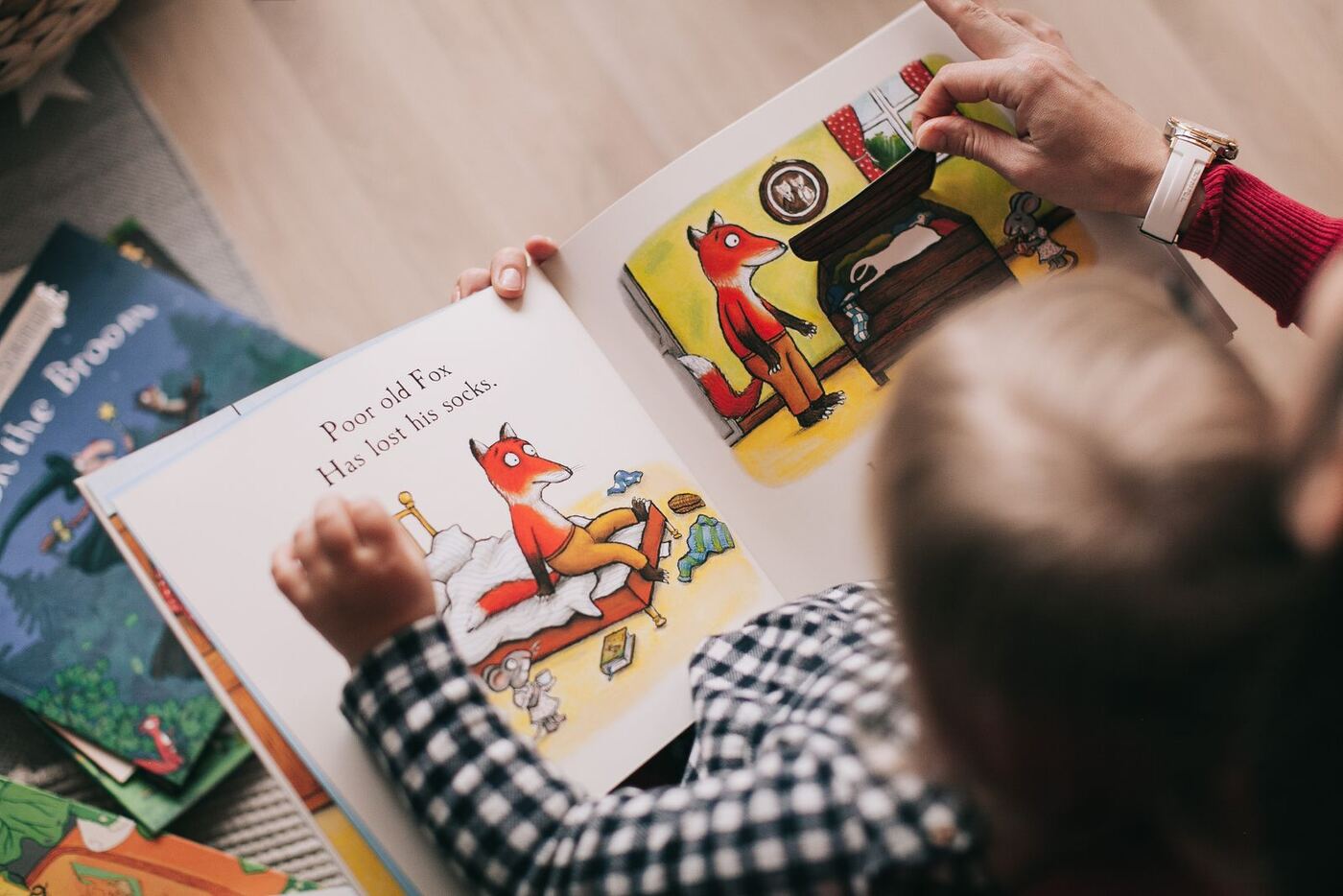
Jewish Learning at Home With Kids: Ten Minutes a Day That Add Up
Simple ways to teach kids Judaism at home in ten minutes a day: Modeh Ani, blessings, parsha at dinner, songs, tzedakah and Shabbat. Start tonight.
On this page · 3 min read
Why home matters mostA ten-minute dayWeekly rhythmsIdeas by ageTips that make it workYou can teach your children Judaism at home in about ten minutes a day by attaching small Jewish moments to things you already do: a thank-you at waking, a blessing before eating, a question about the parsha at dinner, a coin for tzedakah and the Shema at bedtime. Chabad teaches that Jewish education (chinuch, חִנּוּךְ) begins at home, and that steady little steps shape a child more than occasional big ones.
Why home matters most
A class, a camp or a school gives structure, but children learn what Jewish life is from watching their parents. Jewish tradition notes that mothers are often the most effective educators because of the time they spend with children, and that the ultimate goal is for a child to value each mitzvah for its own sake and for the connection it creates with G-d. It also quotes the advice to spend regular time, even half an hour a day, thinking about how to inspire your children. You do not need to be an expert. You need to be consistent and warm.
If you are unsure where to start, see first mitzvot for young children and Jewish parenting.
A ten-minute day
Here is a sample day, so you can pick the parts that fit your family:
- Morning: Modeh Ani (one minute). Say the short thank-you to G-d with your child right after waking. See Modeh Ani.
- Breakfast: a blessing (one minute). Say the blessing before eating, out loud, so children hear it. Learn them step by step with teaching kids the blessings on food.
- Car or walk: a Jewish song (two minutes). A song about Shabbat or a holiday. Children learn songs quickly.
- Afternoon: the tzedakah box (one minute). Put a coin in the box and say who will benefit. See children, money and tzedakah.
- Dinner: one question (three minutes). Ask something about the week's Torah portion or the coming holiday. See the parsha for kids and a dvar Torah at the Shabbat table.
- Bedtime: the Shema (two minutes). Say the Shema together and bless your child. See the bedtime Shema.
On a busy day, do just one. A single minute done joyfully is worth more than ten done in a rush.
Weekly rhythms
- Friday afternoon: let children help set the table, prepare challah or place coins in the tzedakah box before Shabbat. See Shabbat with kids.
- Friday night: candles, Kiddush, blessing the children and a meal together.
- Shabbat: a walk, a game, a story. No screens, if your family chooses it.
- Before a holiday: read a story together, and ask the child what they remember from last year.
- Sunday: review something you learned. Families who go to Hebrew school can ask, "What did you learn this week?"
Ideas by age
- Toddlers (2 to 3). Songs, picture books, Modeh Ani and "Amen." Touch the mezuzah. Light candles with a parent.
- Early school age (4 to 7). Aleph-Bet and simple blessings, parsha stories, helping with holiday crafts. See teaching kids the Aleph-Bet.
- Older children (8 to 12). Short Torah ideas, Jewish history, questions about G-d, chesed projects and a first look at Rashi or a Chassidic story.
- Teens. Conversations about meaning, community service and an invitation to choose a mitzvah of their own. See Jewish teens in Lamorinda.
Tips that make it work
- Make it fun. Games, treats, songs and pretend play.
- Do it with them. Children copy what parents do, not only what they say.
- Praise effort. Rewards can help children get started, as Jewish tradition notes, but the goal is for a child to love the mitzvah itself.
- Be patient. Children ask hard questions and lose interest sometimes. That is part of growing.
- Do not compare. Each child, and each family, moves at its own pace.
- Bring in others. Grandparents, teachers and the Rabbi are partners. Visit the kids' corner for games and stories.
In Lamorinda: Raising Jewish kids in Lafayette, Moraga or Orinda? Call Rabbi Labkowski at 925-384-7242 for ideas that fit your family.
Common questions
How much Jewish learning should kids do at home?
Ten minutes a day is a strong start, divided into small moments. Consistency matters more than length.
What if I do not know enough to teach my child?
Learn together. Take one small step at a time, and ask the Rabbi at 925-384-7242 when you have a question. Many parents grow along with their children.
What is the easiest first habit?
Modeh Ani in the morning or the Shema at bedtime. Either one takes under a minute.
How do I teach Judaism without nagging?
Keep things short, warm and positive. Let children see you enjoy mitzvot, offer choices and celebrate small steps.
Does home learning replace Hebrew school?
No, they help each other. Hebrew school gives teachers, friends and structure, and home gives daily practice. See Is Hebrew school worth it?
What can we do for Shabbat with young children?
Light candles, say Kiddush, eat challah and bless the children. For more ideas see Shabbat with kids.
Take the next step
- Choose one habit from this guide and begin tonight.
- Read teaching kids the Aleph-Bet for the next skill.
- Call 925-384-7242 or visit the Hebrew school page to add friends and teachers to your child's Jewish learning.
Questions about this, or something on your mind? Message the Rabbi or the Rebbetzin privately, or call 925-384-7242. · Email
Read next
 Parsha for Kids: Talking About the Weekly Torah Portion at Your Shabbat TableA simple five-minute Friday night routine to discuss the weekly Torah portion (parsha) with kids ages 3 to 13: one story, one question, one lesson.Read next →