
Learn › Prayer & Torah › Talmud and Torah learning
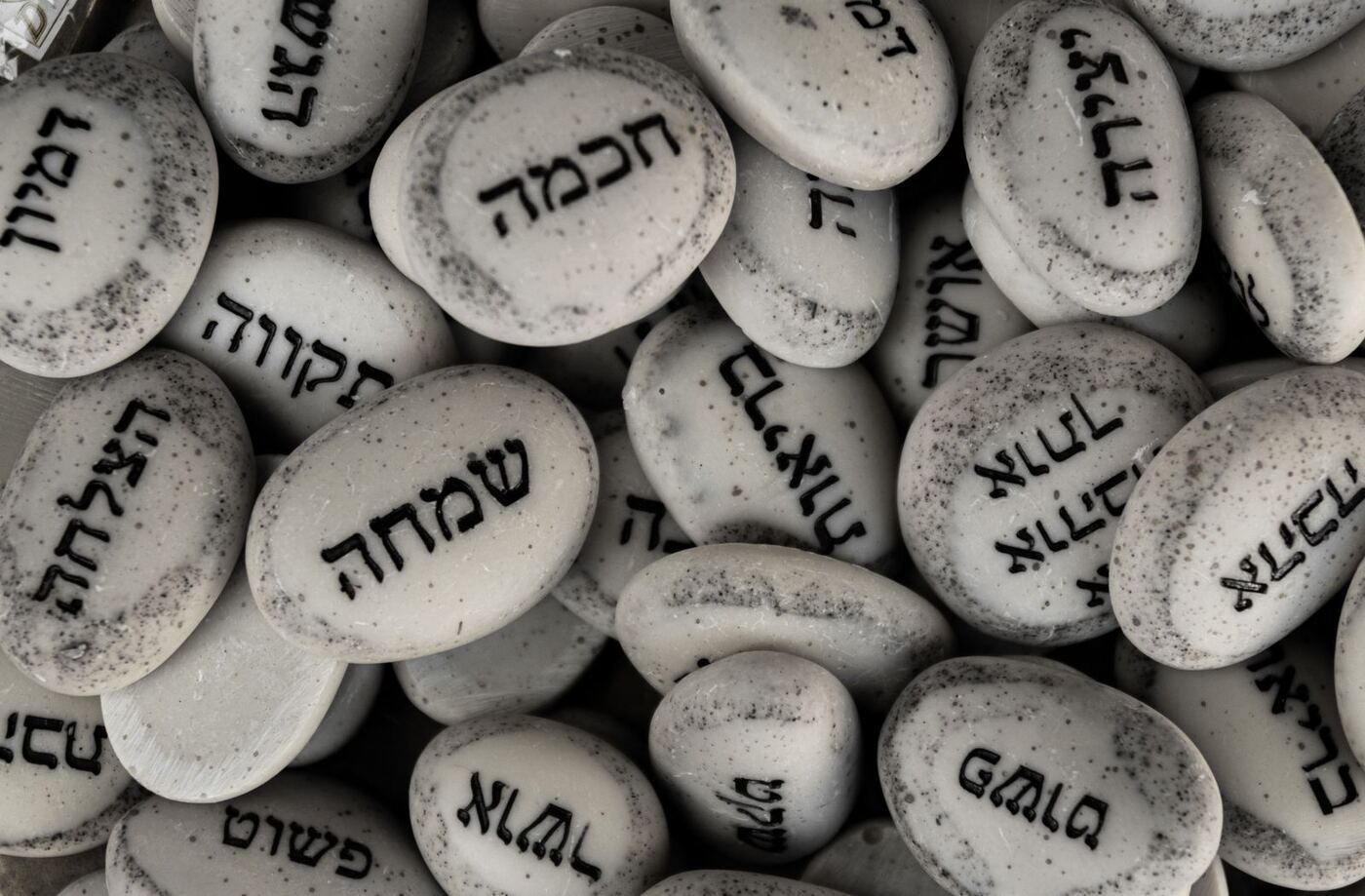
Learning to Read Hebrew as an Adult
A friendly guide for adults learning to read Hebrew: the alef-bet, vowels, reading the siddur, practice tips, and where to start.
On this page · 2 min read
Why learn to read Hebrew?What you will learnTips for successReading versus speakingAny adult can learn to read Hebrew, and most people are surprised how quickly it comes. With the 22 letters, a handful of vowel signs and a little steady practice, you can begin following along in the siddur within weeks.
Why learn to read Hebrew?
- Prayer. Hebrew is the language of the siddur and the Torah. Reading it yourself makes services feel familiar instead of foreign.
- Connection. Each Hebrew letter, the Kabbalists teach, is a channel of divine energy. Even reading words you do not fully understand connects you.
- Confidence. Being able to say a blessing, read from the Haggadah, or take an aliyah is empowering.
- It is never too late. Rabbi Akiva, one of the greatest sages in history, began learning the alef-bet at age forty.
What you will learn
Step 1: The letters. The Hebrew alphabet has 22 letters, read from right to left. Five letters have a different "final" form at the end of a word. A few letters look alike, such as bet and kaf, or dalet and resh, so learn them in pairs.
Step 2: The vowels. Hebrew vowels are dots and dashes written under, above or beside the letters. These are called nekudot. There are only a few vowel sounds, "ah," "eh," "ee," "oh" and "oo," so once you know the shapes, you can sound out almost any word.
Step 3: Syllables. Put a letter and a vowel together: ba, bo, bee. Then build two- and three-syllable words.
Step 4: Familiar words. Practice words you already know: Shabbat, shalom, Torah, mitzvah, baruch, Amen.
Step 5: Prayers. Start with short, well-known texts: Modeh Ani, the first line of the Shema, and the opening words of a blessing, "Baruch atah Ado-nai."
Tips for success
- Practice a little every day. Ten minutes daily beats an hour once a week.
- Read aloud. Hearing yourself helps the letters stick.
- Use a siddur with transliteration at first, then cover the transliteration and try the Hebrew.
- Learn with a partner or class. Encouragement keeps you going.
- Do not worry about meaning yet. Reading and understanding are separate skills; learn to sound out first.
- Be patient and kind to yourself. Everyone stumbles at first.
Reading versus speaking
Reading the siddur and speaking modern Hebrew are related but different goals. Prayer Hebrew uses the full vowel signs, which makes it easier for beginners. Modern Hebrew, in Israeli newspapers and signs, usually drops the vowels. Most adults start with prayer Hebrew.
In Lamorinda: Learn to read Hebrew with Chabad of Lamorinda. Ask about adult classes at jewishlamorinda.com/programs/adult-education or call 925-384-7242.
Common questions
How long does it take to learn to read Hebrew?
It varies, but many adults can sound out words after several weeks of regular practice. Reading smoothly comes with time and use, especially by following along in prayer.
Do I need to understand Hebrew to pray in Hebrew?
No. Praying in Hebrew has special value even without understanding every word. It is also fine to pray in English, and many people combine both while they learn.
Is it embarrassing to learn as an adult?
Not at all. Many adults learn Hebrew for the first time, including parents preparing for a child's bar or bat mitzvah. A good class is warm, patient and judgment-free.
What is the difference between Hebrew print and script?
Print, or block letters, is used in the siddur and books. Script is a handwritten style used for writing notes. Beginners usually learn to read print first.
Questions about this, or something on your mind? Message the Rabbi or the Rebbetzin privately, or call 925-384-7242. · Email
Read next
 The Hebrew Alphabet: All 22 Letters, Sounds and MeaningsLearn the 22 letters of the Hebrew alphabet (the aleph-bet), their sounds, the five final forms, vowels, and the meaning behind the letters.Read next →