
Learn › Life cycle › Hebrew names and birthdays
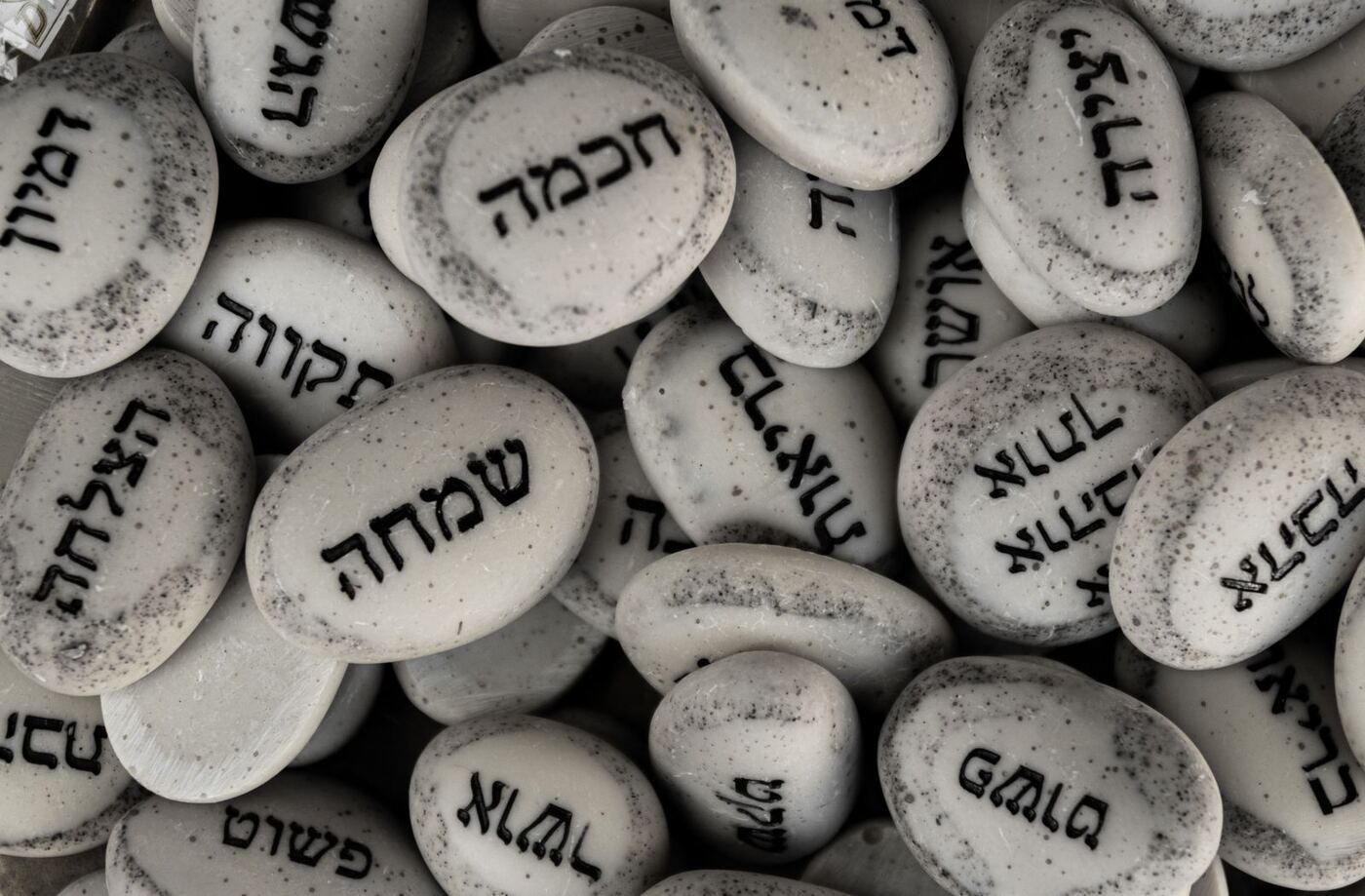
Hebrew Names: How to Find, Choose and Use Your Jewish Name
What a Hebrew name is, how it is formed, how to find yours if you do not know it, and when it is used in Jewish life.
On this page · 2 min read
Why your Hebrew name mattersHow a Hebrew name is formedHow to find your Hebrew nameIf you never received oneA Hebrew name is the Jewish name a person receives at birth, at their bris for a boy or at a Torah naming for a girl. It is written as your first name, followed by "son of" (ben) or "daughter of" (bat) and a parent's name, for example Moshe ben Avraham or Leah bat Sarah.
Why your Hebrew name matters
Jewish mysticism teaches that a Hebrew name is a channel for the soul. The letters of the name are connected to a person's life force, which is why names are chosen with care and why they are used at the most important moments. You will use your Hebrew name:
- When called up to the Torah for an aliyah.
- In prayers for healing (using the mother's name).
- On a ketubah at a Jewish wedding.
- In memorial prayers like yizkor and on a headstone.
How a Hebrew name is formed
A full Hebrew name has two parts:
- Your own name, such as Yosef, Chana or Yitzchak.
- Your parent's name, connected by ben (son of) or bat (daughter of).
Customs about which parent to use:
- When called to the Torah or on legal documents, the father's name is used: Yosef ben Yaakov.
- When praying for someone's health, the mother's name is used: Yosef ben Rachel.
- A Kohen or Levi adds "HaKohen" or "HaLevi" at the end.
Some people have two names, such as Chaya Mushka or Menachem Mendel. Both are used together.
How to find your Hebrew name
If you are not sure of your Hebrew name, try:
- Asking parents, grandparents or other relatives.
- Looking at a ketubah, bar or bat mitzvah certificate, or naming certificate.
- Checking a family member's headstone or memorial plaque, which lists their parent's name.
If you never received one
Many Jews were never given a Hebrew name, and that is perfectly okay. You can receive one at any age. Usually the name is announced at a Torah reading with a short blessing. People often choose:
- A Hebrew version of their English name (Daniel, Miriam, Benjamin as Binyamin).
- The name of a loved relative who has passed away.
- A biblical figure whose story speaks to them.
If your parent does not have a Hebrew name, the Rabbi can guide you on what to use. For a convert, the custom is "ben Avraham Avinu" or "bat Sarah Imeinu."
In Lamorinda: Not sure of your Hebrew name, or never received one? Call Rabbi Labkowski at 925-384-7242 and we will help you find or choose one.
Common questions
Can I change my Hebrew name?
In general, a Hebrew name is not changed. The one well-known exception is adding a name for someone who is seriously ill, a traditional practice done with a Rabbi's guidance. Ask the Rabbi if this applies to you.
Does my English name need to match my Hebrew name?
No. Many parents pick names that share a sound or first letter, but there is no rule. Your Hebrew name stands on its own.
What if my mother is not Jewish?
Questions of Jewish status and naming are best discussed privately with the Rabbi. See our gentle guide on who is a Jew and reach out anytime.
How do I write my Hebrew name in Hebrew letters?
Spellings follow tradition and can be tricky. Learn the letters in our Hebrew alphabet guide, then ask us to confirm the correct spelling.
Questions about this, or something on your mind? Message the Rabbi or the Rebbetzin privately, or call 925-384-7242. · Email
Read next
 Jewish Baby Naming: How and When a Jewish Baby Gets a NameHow Jewish babies receive their Hebrew name, when a girl is named at the Torah, and how families choose a meaningful name.Read next →