
Learn › Mourning & remembrance › Yahrzeit and remembrance
Giving in Memory: Tzedakah for a Yahrzeit and for the Soul of a Loved One
How tzedakah in memory of a loved one elevates the soul: giving at a yahrzeit and Yizkor, a memorial fund, Kaddish and a plaque.
Part 37 of 40 · When we lose someone, step by step
On this page · 3 min read
Why giving helps the soulAt the yahrzeitAt YizkorA fund, a plaque, a KaddishWhat to chooseGiving tzedakah in memory of a loved one is a way of doing for them a good deed they can no longer do themselves, and this brings merit to the soul and elevates it. It is done at the yahrzeit (the anniversary of the death), at Yizkor, and at any time you wish to remember someone.
Why giving helps the soul
After death a person can no longer perform mitzvot, but the living can do so in their merit. Children, relatives and friends take on extra Torah learning (especially Mishnah), give to charity and increase good deeds l'ilui nishmat (לְעִלּוּי נִשְׁמַת, "for the elevation of the soul") and l'zechut (in the merit of) the person who passed away.
Chassidic teaching explains that on each yahrzeit the soul rises higher, and that every mitzvah done in its merit helps it ascend ever higher. Giving is a physical good deed done in this world, the kind of act the departed cannot do any longer.
At the yahrzeit
It is customary to give extra charity on the yahrzeit, the anniversary of the passing, for the soul's elevation. The day is also a time to honor the person's memory.
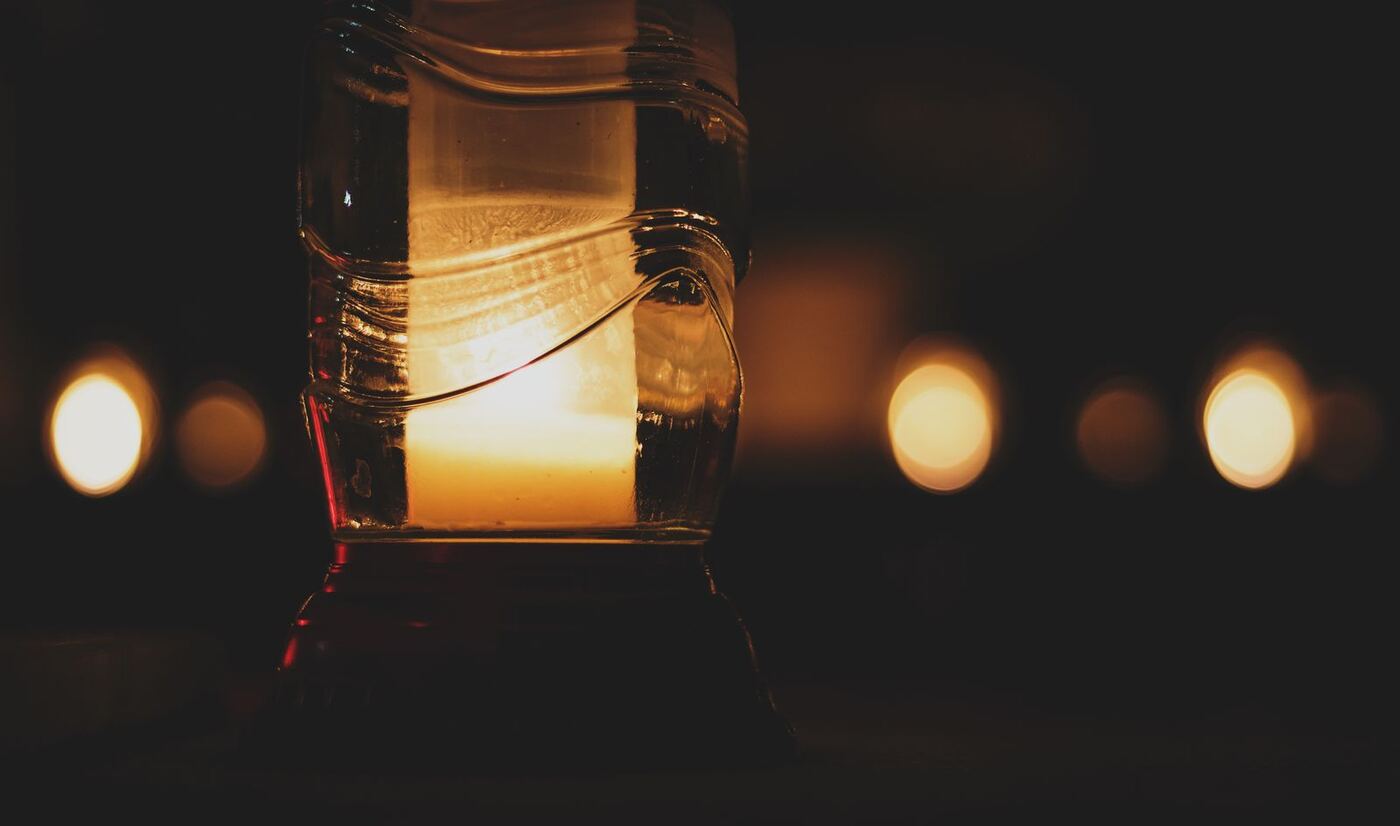
Other customs on the yahrzeit include lighting a candle that burns for 24 hours, studying Mishnah, attending a minyan and saying Kaddish, and serving refreshments after services with a l'chaim in the person's memory. Some people sponsor a Kiddush on a nearby Shabbat. See Yahrzeit and Sponsor a Kiddush.
At Yizkor
The central part of Yizkor (יִזְכּוֹר), the memorial prayer, is a private pledge to give charity after the holiday in honor of the departed, made "without obligating myself with a vow." The Chassidic masters explain that the soul gains merit when the memory of its good deeds inspires loved ones to do good. Yizkor is said in the synagogue four times a year: on Yom Kippur, Shemini Atzeret, the last day of Passover and the second day of Shavuot. See Yizkor.
A fund, a plaque, a Kaddish
Establishing a charitable fund or an institution with a positive goal in the merit of the deceased is considered "of particular merit." Giving can take many forms, and you can choose what fits your family.
Chabad of Lamorinda can arrange Kaddish for a loved one: there is a form on the Kaddish page, and see Kaddish. A memorial plaque can also be added in the synagogue. Please consult the Rabbi about this at 925-384-7242. For a memorial that lasts, a legacy gift is another way: Chabad of Lamorinda accepts bequests, retirement accounts, life insurance, donor-advised fund grants and gifts of stock, and a donor-advised fund grant counts as maaser. See the legacy page and ask your attorney or tax advisor about the details.
What to choose
There is no single right way. Some families give a set amount each year on the yahrzeit. Some give at Yizkor. Others dedicate part of their yearly giving to a cause that the person loved. Rabbi Yisroel Labkowski (925-384-7242) and Rebbetzin Tzipora Labkowski (925-384-7241) will gladly help you think it through, with no pressure. See also Learning Torah in Memory of a Loved One.
In Lamorinda: To arrange Kaddish or a memorial for your loved one, call Rabbi Labkowski at 925-384-7242 or use the Kaddish form at /kaddish.
Common questions
How can I give tzedakah in memory of a loved one?
You can give charity on the yahrzeit, pledge at Yizkor, or set up a fund or program in their merit.
Does tzedakah really help the soul of someone who has passed away?
The living can bring merit to the departed through mitzvot, including charity, and this elevates the soul. For personal questions, ask the Rabbi.
What is the Yizkor charity pledge?
At Yizkor each person privately pledges to give charity after the holiday in memory of the departed, without making it a vow. It is the main part of the prayer.
Can I arrange Kaddish if I cannot say it myself?
Chabad of Lamorinda can arrange Kaddish for a loved one. Use the form on the Kaddish page or call 925-384-7242.
Can a memorial plaque be added in the synagogue?
Yes. A memorial plaque can be added in the synagogue at Chabad of Lamorinda. Please consult the Rabbi about it.
Is giving in memory the same as maaser?
Giving to a worthy cause can be maaser. Ask the Rabbi how it applies to your situation. A donor-advised fund grant to Chabad of Lamorinda counts as maaser.
Take the next step
- Find the date of the yahrzeit with the Yahrzeit guide, and read Giving in Someone's Honor.
- Fill in the form on the Kaddish page or call 925-384-7242.
- To make a lasting memorial, see the legacy page and Leaving a Jewish Legacy.
Step by step · Part 37 of 40
When we lose someone, step by step
NextYizkor: The Jewish Memorial Prayer and When It Is SaidWhat the Yizkor memorial prayer is, the four days it is recited, who says it, and why giving charity is part of Yizkor.All 40 parts
- When a Loved One Is Dying: A Jewish Guide for the Last Days
- Someone Just Died: What to Do in the First Hours, Jewish Guide
- Can't Afford a Jewish Funeral? Help Is Available. Call the Rabbi
- Why Jewish Burial Is So Important: Meaning, Mitzvah and Dignity
- Aninut: The Time Between Death and Burial
- Why Jews Bury Quickly: Burial Within a Day and When a Delay Is Allowed
- Buying a Plot in a Jewish Cemetery: What Makes a Cemetery Jewish and What to Ask
- Autopsy and Jewish Law: What Families Should Know
- Embalming, Viewing and Open Caskets: The Jewish View, Explained Gently
- What Is Tahara? The Chevra Kadisha and Preparing a Jewish Body for Burial
- A Plain Wooden Casket and White Shrouds: Why Every Jew Is Buried the Same Way
- What to Wear to a Jewish Funeral, and What to Expect as a Guest
- Jewish Funeral Customs: What to Do When a Loved One Passes Away
- How to Write and Give a Eulogy at a Jewish Funeral
- Kriah: Tearing the Garment When a Loved One Passes Away
- The Meal of Condolence (Seudat Havraah): The Mourners' First Meal After the Funeral
- Who Sits Shiva? Who Is a Mourner in Jewish Law
- Sitting Shiva: A Simple Guide for Mourners and Visitors
- Setting Up a Shiva House: A Practical Checklist for Families
- Shiva and Holidays: What Happens When a Holiday or Shabbat Comes During Mourning
- Comforting Mourners: What to Say and Do After a Jewish Loss
- What to Bring to a Shiva House: Food, Kindness and Presence, Not Flowers
- Writing a Jewish Condolence Note: What to Say and What Not to Say
- The Mourner's Kaddish: Meaning, When to Say It and Who Says It
- Sheloshim: The 30 Days of Mourning After a Funeral
- The Year of Mourning for a Parent in Judaism
- Mourning and Simchas: Weddings, Parties and Music in the Year of Mourning
- Losing a Husband or Wife: A Jewish Guide for the Days and the Year After
- When a Child Dies: Jewish Comfort and Mourning for Parents
- Losing a Parent: Jewish Wisdom and Comfort for Sons and Daughters
- Writing a Jewish Headstone Inscription: Hebrew Name, Dates and Symbols
- Unveiling a Headstone: Jewish Customs and What to Expect
- Yahrzeit: How to Observe the Anniversary of a Loved One's Passing
- The First Yahrzeit: How to Mark One Year Since a Loss
- A Memorial Plaque in the Synagogue: Remembering a Loved One
- Learning Torah in Memory of a Loved One
- Giving in Memory: Tzedakah for a Yahrzeit and for the Soul of a Loved One
- Yizkor: The Jewish Memorial Prayer and When It Is Said
- El Malei Rachamim: The Jewish Memorial Prayer, Meaning and When It Is Said
- Visiting a Jewish Grave: When to Go and What to Say
Questions about this, or something on your mind? Message the Rabbi or the Rebbetzin privately, or call 925-384-7242. · Email
Read next
 Yahrzeit: How to Observe the Anniversary of a Loved One's PassingWhat a yahrzeit is, how to find the Hebrew date, lighting a yahrzeit candle, saying Kaddish, and other ways to honor a loved one.Read next →