
Learn › Life cycle › Children and Jewish education
First Mitzvot for Young Children: Modeh Ani, Blessings, Tzedakah and Kippah
Which mitzvot to start with for toddlers and young children: Modeh Ani, blessings, Shema, tzedakah, kippah, tzitzit and Shabbat candles, by age.
On this page · 3 min read
Why start so early?From the first wordsAround age threeAges six to nine and onTips for making it stickThe first mitzvot for young children are simple, daily and joyful: saying thank you to G-d in the morning with Modeh Ani, blessings before eating, the Shema at bedtime, putting a coin in the tzedakah box, and, around age three, a kippah and tzitzit for boys and Shabbat candles for girls. A child can begin learning Torah as soon as he or she can speak.
Why start so early?
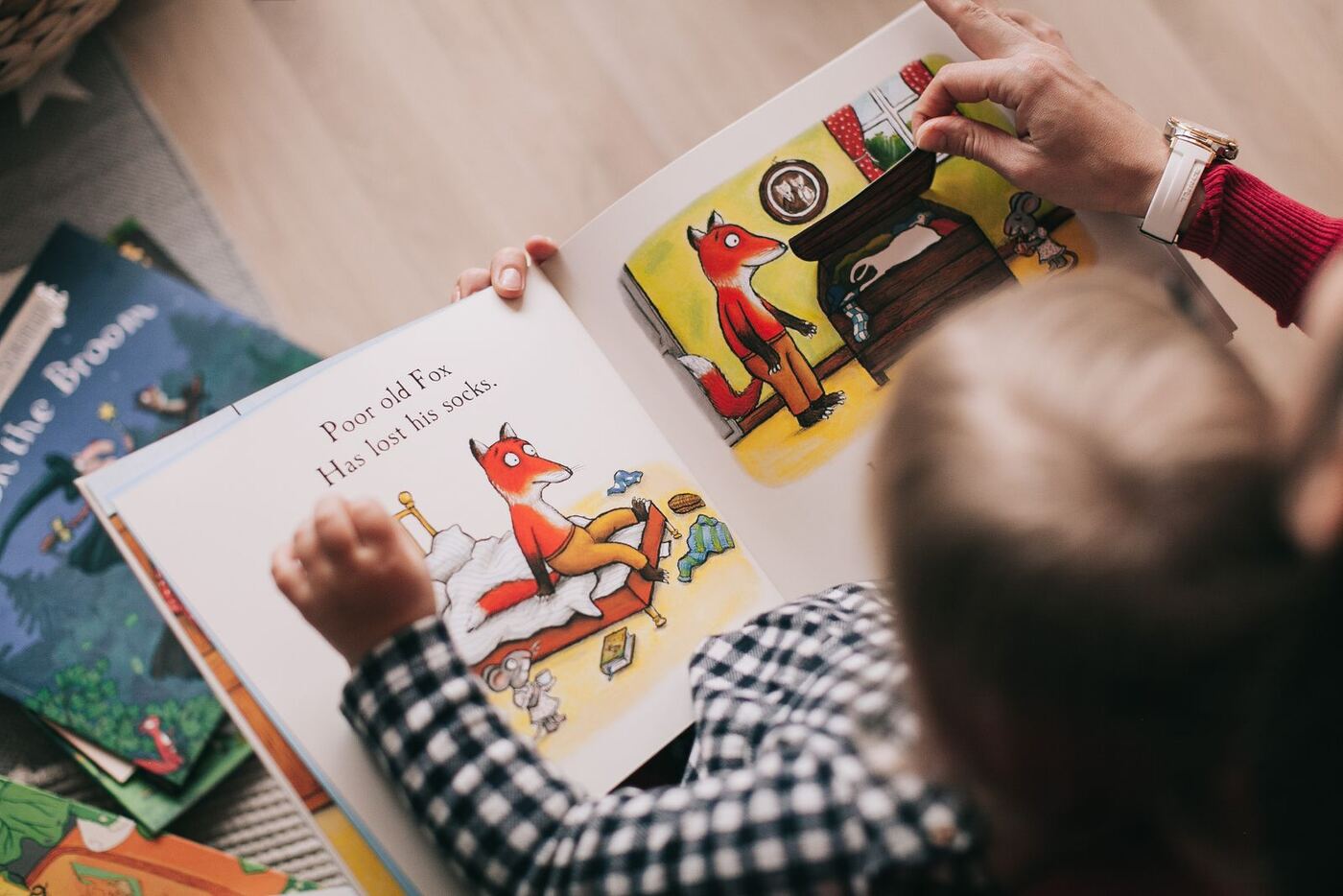
Jewish tradition calls this chinuch (חִנּוּךְ), education. Young children are not yet obligated in mitzvot, but parents train them step by step so that Jewish life feels natural and warm, not strange, when they grow up. Chassidic thought holds that the education of a child begins even before birth, with a home filled with good sights and sounds, and that when a child begins to speak, he or she should begin to learn verses of Torah. Our guide to chinuch explains the idea more fully.
From the first words
When a child starts talking, these small things are a beautiful beginning:
- Modeh Ani. A short thank-you to G-d said right after waking up. Parents can say it with the child at the bedside every morning. See Modeh Ani.
- Torah verses and the Shema. When speech begins, children are taught verses such as "The Torah that Moses commanded us is the inheritance of the congregation of Jacob" (Deuteronomy 33:4). Young children also learn the Shema, and it is traditional to say it before sleep (see the bedtime Shema).
- Amen. Even a baby can learn to answer "Amen" after a blessing.
- A tzedakah box. Give a child a coin to put in the box before Shabbat or a meal. Our guide children, money and tzedakah has ideas.
Around age three
Age three is a major milestone in a child's Jewish life:
- Blessings. The child begins to say blessings before food (see teaching kids the blessings on food), as well as the morning blessings and Grace After Meals, in simple form.
- Boys: kippah and tzitzit. A boy begins to wear a kippah and tzitzit. Many families mark this with an upsherin, the first haircut, when a boy turns three. Customs about the age vary between communities.
- Girls: Shabbat candles. A girl begins to light Shabbat candles, with her own small candle or a mother's help. See Shabbat candles.
- Shema at night. The nightly Shema becomes a regular bedtime routine.
These are customs of training, not rigid tests. Every child is different, so ask the Rabbi about the right time for your family.
Ages six to nine and on
The obligation to train children in all mitzvot grows from roughly ages six to nine, depending on the child, and a child becomes fully obligated at Bar Mitzvah (13 for boys) or Bat Mitzvah (12 for girls). Until then, parents offer opportunities in age-appropriate ways, such as Kiddush on Friday night and Havdalah, helping on holiday preparations and visiting someone who is lonely. Fasting on Yom Kippur is introduced gradually; ask the Rabbi what is right for your child.
Tips for making it stick
- Be consistent. The same Modeh Ani every morning and the same Shema every night make habits.
- Do it together. Children copy what they see parents do.
- Keep it short and sweet. A minute of joy is better than ten of pressure.
- Praise, do not scold. Make mitzvot something the child looks forward to.
- Start with one thing. Add another mitzvah when the first feels natural.
In Lamorinda: Raising young children in Lafayette, Moraga or Orinda and want a first step? Call 925-384-7242 or see /programs/jewish-preschool.
Common questions
What is the first mitzvah to teach a toddler?
A simple, joyful start is Modeh Ani in the morning, answering "Amen," and putting a coin in the tzedakah box. Chabad teaching adds the Shema and Torah verses as soon as a child can speak.
At what age does a child start saying blessings?
Around age three children begin to say blessings over food and simple prayers. Many families begin even earlier with just the ending of the blessing.
When do boys start wearing a kippah and tzitzit?
Around age three, according to Chabad. Many families mark it with an upsherin. Ask the Rabbi for guidance specific to your child.
When do girls start lighting Shabbat candles?
Around age three, a girl begins lighting her own candle or joins her mother. See our guide to Shabbat candles for how.
Are young children required to keep the mitzvot?
No. Children are obligated from Bar or Bat Mitzvah, but parents have a duty of chinuch, training them gently from a young age.
What if our family is just beginning and our child is already older?
It is never too late. Begin with one small mitzvah and grow together. Call the Rabbi at 925-384-7242 for ideas.
Take the next step
- Ask about the Jewish preschool or call 925-384-7242 to hear what is planned for little ones.
- Teach the next skill: which blessing to say on which food.
- Build a daily rhythm with Jewish learning at home with kids.
Questions about this, or something on your mind? Message the Rabbi or the Rebbetzin privately, or call 925-384-7242. · Email
Read next
 Chinuch: The Jewish Way of Educating ChildrenChinuch means educating a child toward a lifetime of Jewish living. Meaning, sources, and practical steps for parents in Lafayette, Moraga and Orinda.Read next →