
Learn › Prayer & Torah › The synagogue and its services
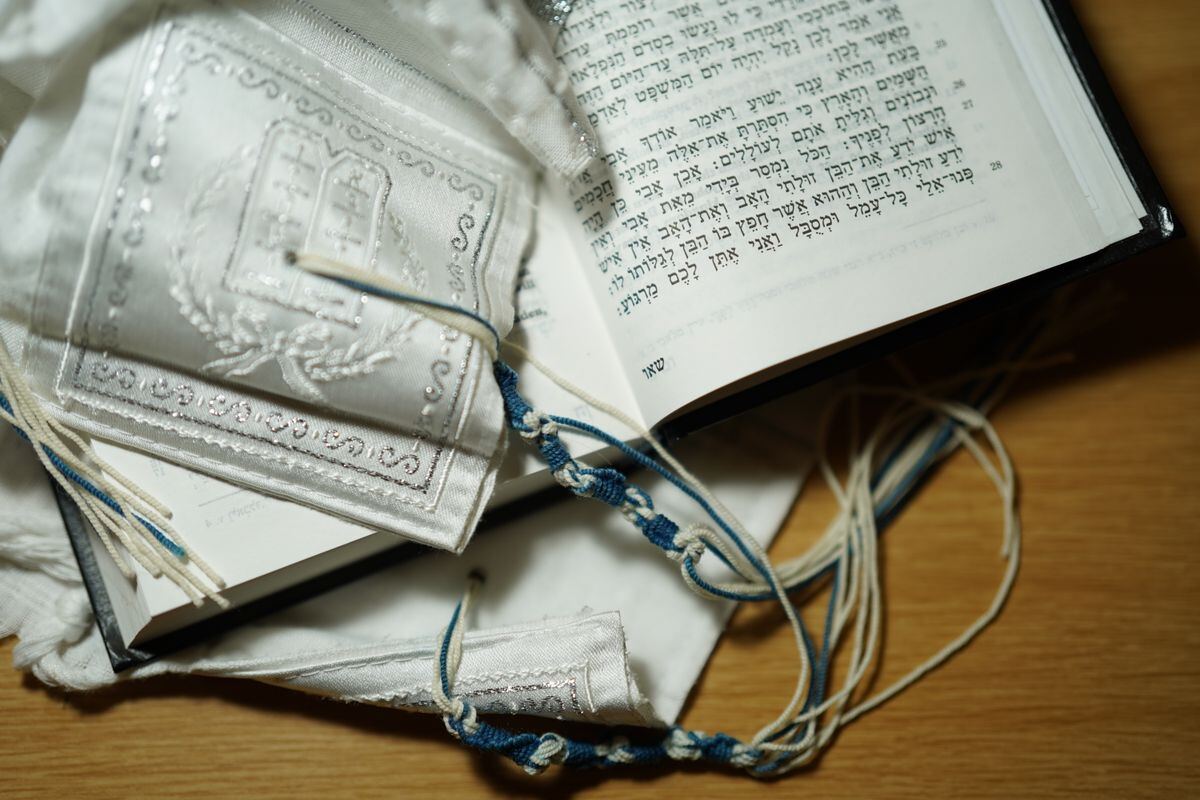
What Is a Synagogue (Shul)? A Simple Guide
What a synagogue or shul is, what happens there, what you will see inside, and how to feel at home on your first visit.
On this page · 2 min read
Three names, three purposesA short historyWhat you will see insideWhat happens at a synagogueVisiting a synagogueA synagogue is a Jewish house of prayer, study and community. Jews gather there to pray together, read the Torah, learn and celebrate, and many people simply call it shul, the Yiddish word for "school."
Three names, three purposes
The synagogue has several names, and each one tells you something about it:
- Beit Knesset ("house of gathering"): the Hebrew name. It is where the community comes together.
- Beit Tefillah ("house of prayer"): where Jews pray, especially with a minyan of ten.
- Shul ("school"): a reminder that the synagogue is also a place of Torah learning.
The word synagogue comes from Greek and also means "gathering place." Some communities call their synagogue a temple, but traditionally the word Temple refers to the Holy Temple in Jerusalem.
A short history
After the Holy Temple was destroyed, the synagogue became the center of Jewish life wherever Jews lived. The Talmud calls it a mikdash me'at, a "small sanctuary." Prayers replaced the Temple offerings, and the community gathered around the Torah instead of the altar.
What you will see inside
- The Aron Kodesh (Holy Ark): a cabinet, usually on the wall facing Jerusalem, that holds the Torah scrolls.
- The Torah scrolls: handwritten on parchment, dressed in a cover and often crowned with silver.
- The Ner Tamid (eternal light): a light that always burns above the Ark, recalling the Menorah in the Temple.
- The Bimah: a raised table where the Torah is read.
- Siddurim: prayer books. Ask for one with English if you need it. See our guide to the siddur.
- The Mechitzah: in traditional synagogues, a partition between the men's and women's sections, so everyone can focus on prayer.
What happens at a synagogue
- Daily prayers: morning (Shacharit), afternoon (Mincha) and evening (Maariv).
- Shabbat and holidays: the busiest times, with the weekly Torah reading, a short talk and often a Kiddush meal afterward.
- Life events: bar and bat mitzvahs, baby namings, aufrufs before a wedding, and saying Kaddish for a loved one.
- Learning and community: classes, children's programs and celebrations.
Visiting a synagogue
You do not need to know anything to walk in. Dress respectfully; men cover their heads with a kippah, which is provided. On Shabbat, phones are put away. Sit anywhere that is free, follow along as best you can, and do not worry about making mistakes. Our guide to going to synagogue for the first time explains the service step by step.
In Lamorinda: Chabad of Lamorinda at 3477 Golden Gate Way in Lafayette welcomes every Jew, no membership required. See Shabbat information at jewishlamorinda.com/shabbat or call 925-384-7242.
Common questions
Do I need to be a member to go to a synagogue?
Many synagogues have membership, but at Chabad no membership is required. Every Jew is welcome at every service and holiday, whatever their background.
What is the difference between a synagogue and a temple?
Both words are used for local Jewish houses of prayer. Traditionally, "the Temple" means the Holy Temple in Jerusalem, and a local house of prayer is called a synagogue or shul.
Can a non-Jew visit a synagogue?
Yes. Non-Jewish friends and family members are welcome to visit and observe. Some parts of the service, such as being called to the Torah, are for Jewish participants.
Can I pray at home instead of at a synagogue?
Yes, prayer at home is real prayer, and G-d hears every heart. Praying with a minyan adds special prayers, like Kaddish and the Torah reading, and the strength of a community.
Questions about this, or something on your mind? Message the Rabbi or the Rebbetzin privately, or call 925-384-7242. · Email
Read next
 Going to Synagogue for the First Time: What to ExpectA friendly guide for first-time visitors to a synagogue: what to wear, what happens during services, Shabbat etiquette, and how to follow along.Read next →