
Learn › Jewish home › Marriage, in-laws and grandparents
Recording Your Family Story: Passing On Memories, Values and Jewish Roots
How to record your family story for children and grandchildren: questions to ask, Hebrew names, places and values. Pass on your Jewish roots.
On this page · 3 min read
Why it mattersBefore you beginQuestions to askMemories of the "old country"Turning the story into a legacyThe simplest way to record your family story is to ask one person one question and write down or record the answer, starting with the oldest members of your family while they can still tell it. Jewish tradition has always valued handing the story on: the Torah says, "Ask your father and he will tell you, your elders and they will say to you" (Deuteronomy 32:7).
Why it matters
The Lubavitcher Rebbe taught that older people carry experience and wisdom that younger generations need, and that society should not waste it. A recorded story lets a grandchild hear a grandparent's voice, and keeps a family's values from being lost. Whether your family came from the former Soviet Union, from Europe, Israel or from right here in the Bay Area, your story is part of the larger Jewish story.
Before you begin
- Choose who to record. Start with the oldest relative, or the one who knows the most.
- Pick a comfortable setting. A quiet room, a cup of tea, and no rush.
- Use what you have. A phone's voice recorder or video camera is enough. Ask permission first, and offer to show the recording afterwards.
- Go slowly. Let stories wander. A single detail often opens a whole memory.
- Keep a copy. Save the recording in more than one place, and write down the names of people in old photographs.
Questions to ask
Short, open questions work best. Here are some you can use:
- What was your name at birth, and who were you named after? (See Hebrew names.)
- Where were you born, and what do you remember about that place?
- What was Shabbat or a holiday like in your parents' home?
- What did your parents do for a living? What was a normal day?
- Who was the person who most influenced you?
- What was the hardest time of your life, and what helped you through?
- What do you want your grandchildren to know about you?
- What is a blessing you want to give your family?
Memories of the "old country"
For families who came from other lands, including many Russian-speaking families in Lafayette, Moraga and Orinda, the story of a hometown, a grandmother's kitchen or a family name can be especially precious. Record names, towns and approximate years as the person remembers them, and write down the way they spell and pronounce names. Please be gentle: some memories are painful, and a person may not want to speak about them. Let them choose what to share.
Turning the story into a legacy
When you have the stories, you might:
- Write a short family book, with photos and the names of everyone in them.
- Make a family tree. See Jewish genealogy.
- Write an ethical will, a letter that tells your family the values and blessings you want to pass on.
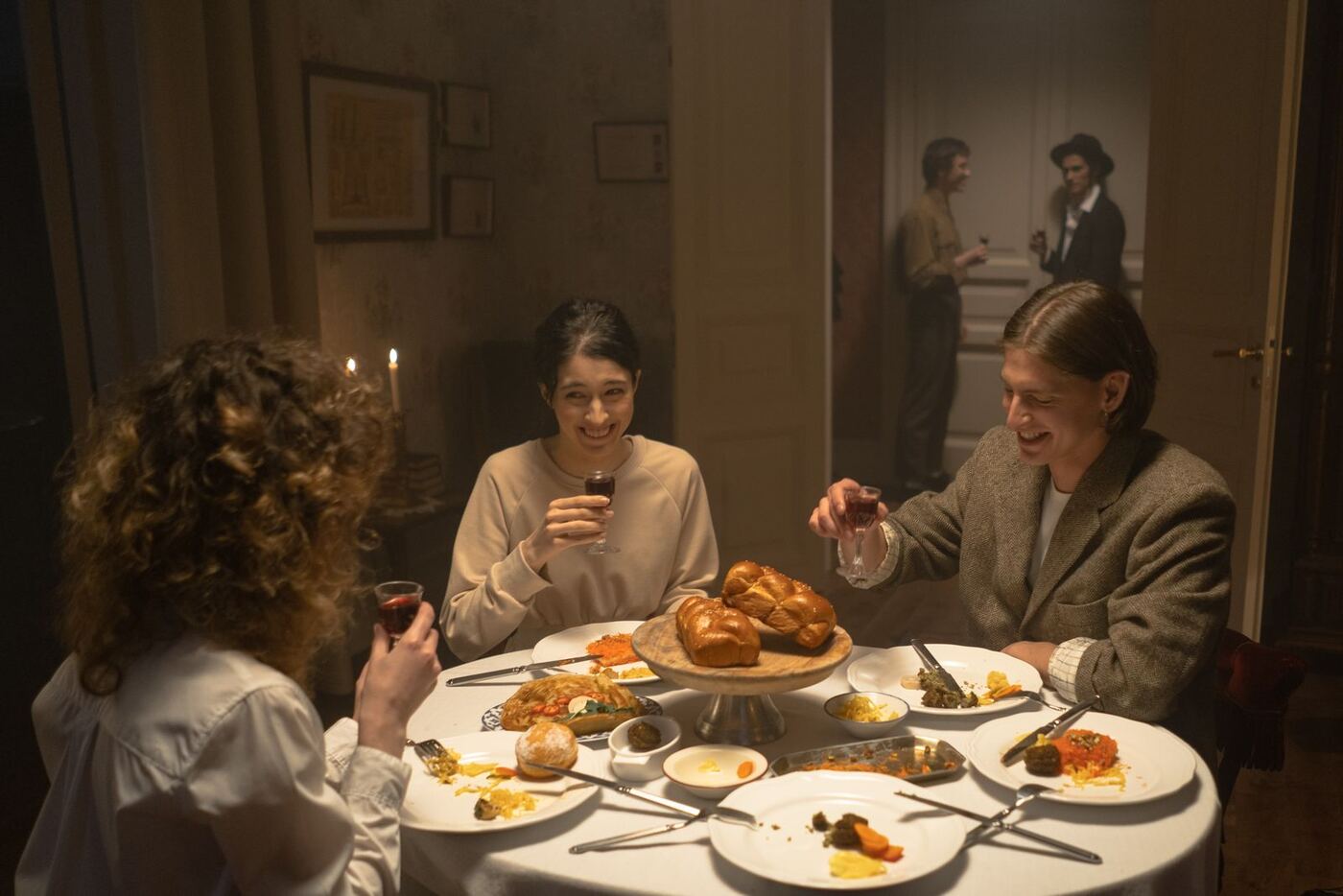
- Share the stories at a Friday night dinner or a holiday table.
If you are a grandparent, see Jewish grandparents.
In Lamorinda: Want help with a Hebrew name, an old document or a family story? Call Rabbi Labkowski at 925-384-7242 or see /help/talk-to-the-rabbi.
Common questions
How do I start recording my family history?
Pick one relative and one question, and record the answer on a phone. Then keep going, one conversation at a time.
What questions should I ask my grandparents about their Jewish life?
Ask about their names, their hometown, Shabbat and holidays in their parents' home, what they remember about their parents, and what they hope you will remember.
Is it all right to record someone who does not want to talk about the past?
Always ask permission, and respect the answer. Some memories are painful, so let each person decide what to share.
How do I find out my Hebrew name or the Hebrew names of my relatives?
Ask older relatives, and look at old documents such as tombstones and marriage contracts. See Hebrew names and Jewish genealogy.
What is an ethical will?
It is a letter in which you pass on your values and blessings to your family. Read ethical will.
Can the Rabbi help me with an old Hebrew document?
Call Rabbi Labkowski at 925-384-7242 to ask.
Take the next step
- Choose one person and one question today.
- Read ethical will and Jewish grandparents.
- Come to events and bring the family. Call 925-384-7242 to hear what is planned.
Questions about this, or something on your mind? Message the Rabbi or the Rebbetzin privately, or call 925-384-7242. · Email
Read next
 Ethical Will: How to Write a Jewish Legacy LetterWhat an ethical will (tzava'ah) is, its roots in the Torah, and simple steps for writing a letter that passes on your values to your family.Read next →