
Learn › Shabbat & holidays › The Jewish calendar and months
The Jewish Leap Year and How the Calendar Works, in Plain Words
Why Jewish holidays seem to move: lunar months, the leap year with a second Adar, Rosh Chodesh, your Hebrew birthday and why days begin at night.
On this page · 3 min read
Months follow the moonThe leap year: a second AdarWho set the calendar?Rosh Chodesh: the new monthWhy Jewish days begin at nightfallFinding your Hebrew birthday"Is Chanukah early this year?" Every Jewish family asks it. The answer is that Chanukah is always on the 25th of Kislev; it is the Jewish calendar and the everyday calendar that drift apart and come back together. Here is how it all works, without the math.
Months follow the moon
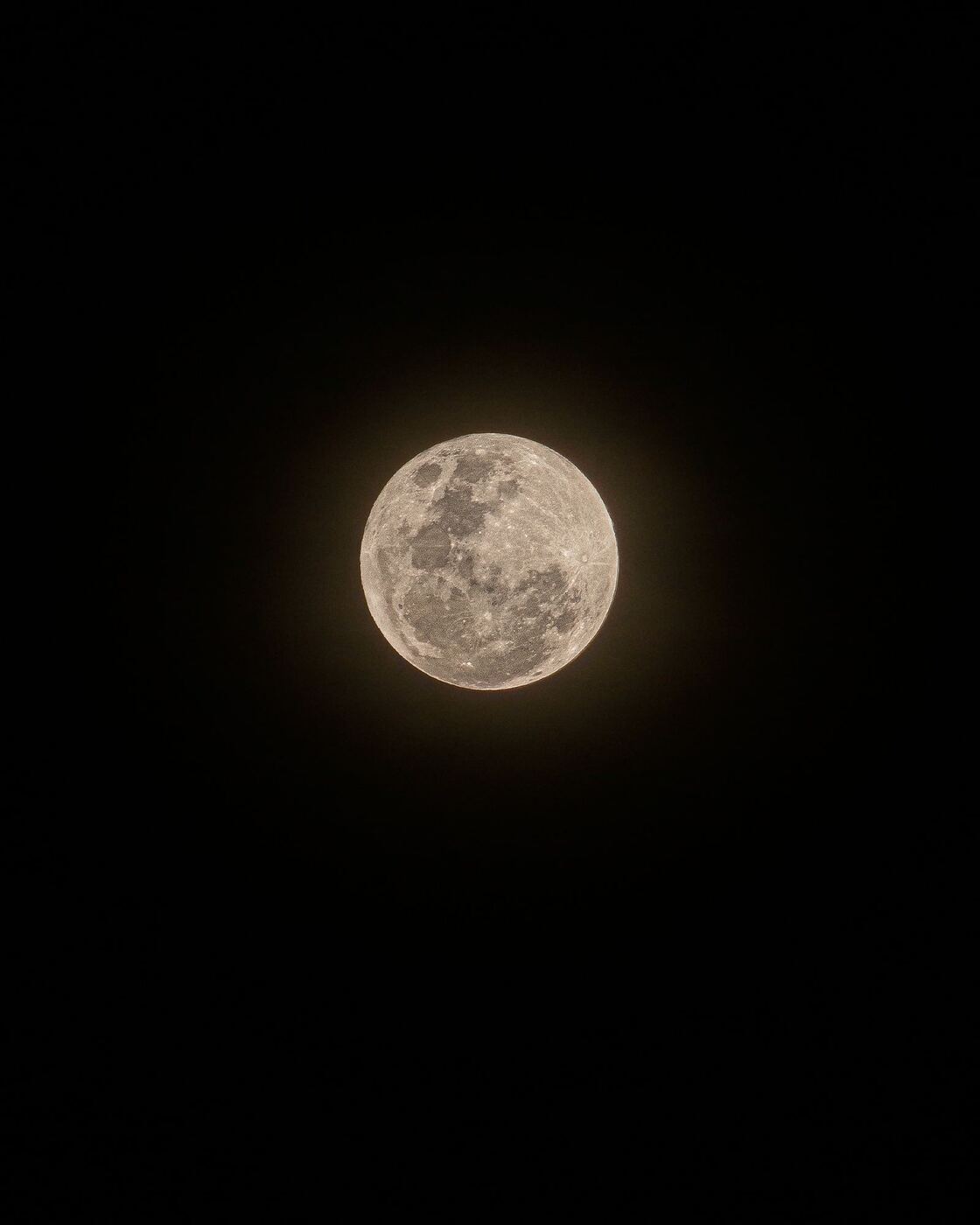
A Jewish month begins with the new moon and lasts 29 or 30 days, the time it takes the moon to go around the earth. Twelve such months come to about 354 days, eleven days short of the solar year that the everyday calendar follows. That gap is why Rosh Hashanah, Chanukah and Passover land on different dates each year, about eleven days earlier than the year before, until the calendar catches up.
The leap year: a second Adar
The Torah calls Passover "the festival of spring," so the holidays must stay in their seasons; a calendar that followed only the moon would let Passover wander through the whole year. To prevent that, the Jewish calendar adds a whole extra month seven times in every nineteen years (years 3, 6, 8, 11, 14, 17 and 19 of the cycle). The added month is a second Adar, called Adar II, so a leap year has 13 months and about 384 days. In a leap year Purim is celebrated in Adar II, so that it stays one month before Passover, and a small Purim, Purim Katan, is marked in Adar I. The sages say that whoever has a birthday or yahrzeit in Adar should ask the Rabbi which Adar to use in a leap year; Chabad custom has its own answers. This cycle keeps Passover in the spring, year after year.
Who set the calendar?
In Temple times, witnesses who saw the new moon came to the Sanhedrin in Jerusalem, and the court declared the new month; messengers carried the news, which is why communities outside Israel keep a second day of many holidays to this day. When persecution made that impossible, the sage Hillel II fixed the calculated calendar we use now, so every Jewish community in the world keeps the same day.
Rosh Chodesh: the new month
The first day of each month (and the 30th of the month before, when there is one) is Rosh Chodesh, a minor holiday with extra prayers and Hallel. On the Shabbat before, the synagogue announces the coming month and blesses it. See Rosh Chodesh, blessing the new month and Kiddush Levana, the blessing on the new moon itself.
Why Jewish days begin at nightfall
The Torah's account of creation says, "And it was evening and it was morning, one day." Evening comes first. That is why Shabbat starts Friday at sunset, why every holiday begins the night before the date on the secular calendar, and why candle lighting is on Friday afternoon. Chassidic teaching sees a message in it: darkness comes first, and the light follows. This week's times for Lafayette, Moraga and Orinda are at Shabbat times.
Finding your Hebrew birthday
Every Jew has a Hebrew birthday, the Jewish date of the day they were born, and it comes around on a different secular date each year (and lines up exactly every nineteen years). Enter your birth date, and whether you were born after sunset, into our Hebrew birthday finder, or turn any date into its Hebrew date with the Hebrew date converter. The Rebbe encouraged celebrating a Hebrew birthday with good resolutions, extra tzedakah and Torah: see Hebrew birthday. For a yahrzeit, use the yahrzeit calculator.
In Lamorinda: Want to know your Hebrew birthday or a yahrzeit date? Rabbi Yisroel Labkowski will work it out for you, for families in Lafayette, Moraga and Orinda: 925-384-7242.
Common questions
Why is Chanukah sometimes in November and sometimes late December?
Because Chanukah is fixed on the 25th of Kislev, a lunar date. The Jewish year is eleven days shorter than the secular year, so Chanukah slides earlier each year until a leap year adds a month and pushes it later again. See the Jewish calendar explained.
How do I know if this is a Jewish leap year?
Look for Adar I and Adar II on a Jewish calendar, or notice that Purim falls in March rather than February or early March. The Hebrew date converter at /tools/hebrew-date shows the current month.
Why do holidays last an extra day outside Israel?
In Temple times communities far from Jerusalem could not be sure which day the court had declared the new month, so they kept two days to be safe. The sages kept that custom for the Diaspora even after the calendar was fixed, to honor the tradition of our ancestors. Rosh Hashanah is two days even in Israel.
Questions about this, or something on your mind? Message the Rabbi or the Rebbetzin privately, or call 925-384-7242. · Email
Read next
 The Jewish Calendar Explained: Months, Leap Years and HolidaysHow the Hebrew calendar works: lunar months, leap years, the 12 Jewish months, why holidays move, and why days start at sunset.Read next →