
Learn › Prayer & Torah › Judges, kings and prophets
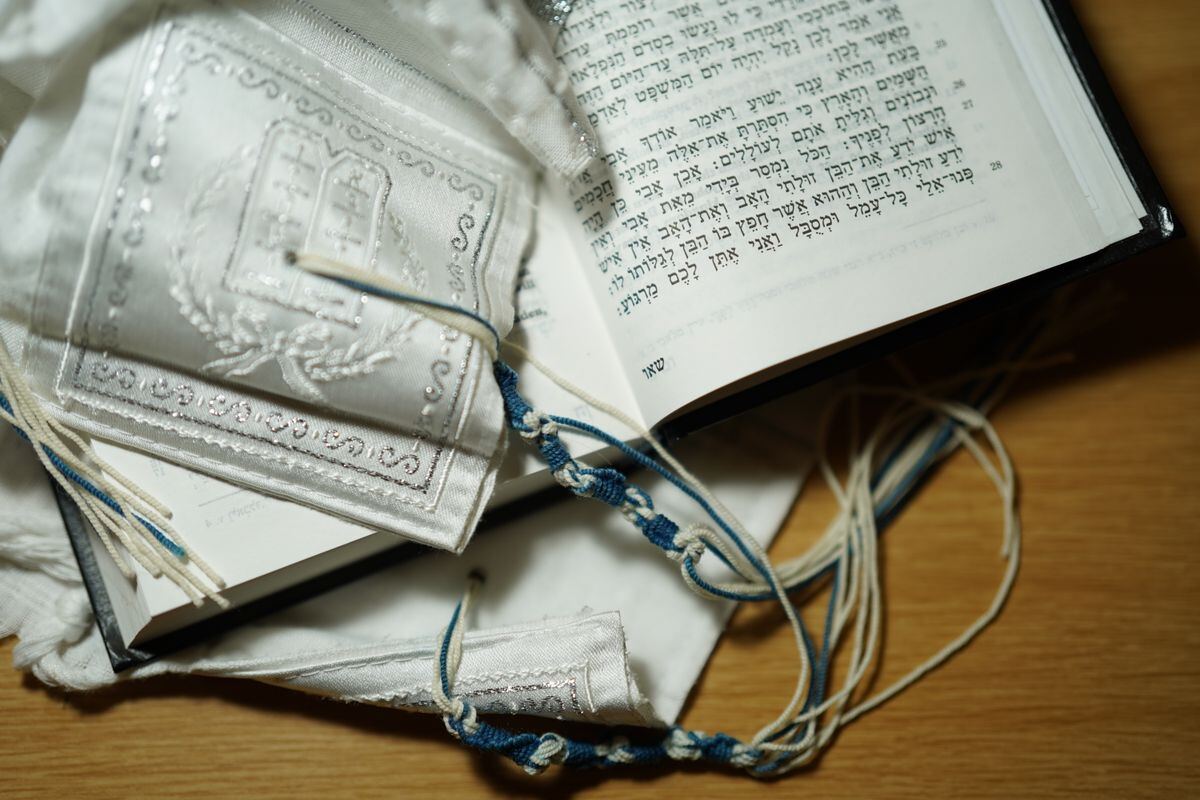
Hannah and Her Prayer: How She Taught Us to Pray From the Heart
Who was Hannah in the Bible? Her silent prayer at Shiloh, the birth of Samuel and why her story is read on Rosh Hashanah and shapes the Amidah.
On this page · 2 min read
A woman who longed for a childThe prayer at ShilohHow Hannah shapes our prayerThe birth of SamuelHannah on Rosh HashanahPraying like HannahHannah (Chanah, חַנָּה) was the wife of Elkanah and the mother of the prophet Samuel. Her heartfelt, silent prayer for a child at the Tabernacle in Shiloh is the model for how Jews pray the Amidah: quietly, with moving lips, pouring out the heart to G-d. Her story is read on Rosh Hashanah.
A woman who longed for a child
Hannah was childless for many years, while Elkanah's other wife, Peninah, had children. Peninah would taunt her. Our Sages say Peninah meant well, hoping to drive Hannah to pray, but the pain she caused was still wrong. Elkanah loved Hannah and tried to comfort her, but her heart was broken. If you or someone close to you is walking this road, see Jewish support for infertility.
The prayer at Shiloh
Hannah went to the Tabernacle and prayed, weeping. She promised that if she were given a son, she would dedicate him to G-d's service. Her prayer was silent: her lips moved but her voice was not heard. Eli the High Priest saw her and thought she was drunk and rebuked her. She answered that she was a woman with a heavy heart, pouring out her soul before G-d. Eli then blessed her, saying that G-d should grant her request.
How Hannah shapes our prayer
The Talmud learns from this the way we recite the Amidah: in a whisper, with the lips moving. It shows two truths. First, prayer is a conversation: you can speak openly and honestly to G-d in your own words, as in talking to G-d in your own words. Second, prayer can come from the quiet of the heart.
The birth of Samuel
Hannah conceived and named her son Samuel (Shmuel). When he was weaned she brought him to Shiloh to be raised by Eli, as she promised. Samuel grew into a prophet and leader of Israel. Hannah later had three more sons and two daughters. She offered a song of thanks (I Samuel 2:1-10), considered prophetic, and our Sages count her among the seven prophetesses, like Miriam.
Hannah on Rosh Hashanah
The haftarah, the reading from the Prophets, on the first morning of Rosh Hashanah is Hannah's story. Our tradition says that Sarah and Hannah were both remembered by G-d on this day, which is called the Day of Remembrance. It is a day to turn to G-d with a full heart: see Rosh Hashanah for beginners.
Praying like Hannah
- Find a quiet moment. No need for fancy words.
- Say what is truly in your heart, to G-d, in any language.
- Make a promise to do a good deed in return.
- Do not be discouraged by people who misjudge you. Eli first misunderstood her and then blessed her.
In Lamorinda: Longing for something and want to talk? Speak privately with the Rabbi or Rebbetzin: /help/talk-to-the-rabbi or 925-384-7242.
Common questions
Who was Hannah in the Bible?
Hannah was the wife of Elkanah and the mother of the prophet Samuel, famous for her prayer for a child.
Why is Hannah the model for prayer?
Her silent, heartfelt prayer is the source for reciting the Amidah quietly, with the lips moving.
Why do we read about Hannah on Rosh Hashanah?
Her story is the haftarah of Rosh Hashanah morning, because tradition says she was remembered by G-d on that day.
Is there a Jewish prayer for a baby?
Jews pray from the heart, as Hannah did, and also recite Psalms (Tehillim) and other prayers; ask the Rabbi what fits your situation.
What did Hannah promise?
She promised to dedicate her son to the service of G-d, and she kept her word after Samuel was weaned.
Where can I talk privately about a longing for a child near Lafayette, Moraga and Orinda?
Call the Rabbi or Rebbetzin at 925-384-7242 or use talk to the Rabbi.
Take the next step
- Learn how to pray the Amidah.
- Read Talking to G-d in your own words.
- Call 925-384-7242 or see events to pray with us in Lafayette.
Questions about this, or something on your mind? Message the Rabbi or the Rebbetzin privately, or call 925-384-7242. · Email
Read next
 The Amidah: The Central Jewish Prayer ExplainedWhat the Amidah (Shemoneh Esrei) is, its structure of praise, requests and thanks, when it is said, and how to stand and pray it.Read next →