
Learn › Jewish ideas › Tzedakah: how and why to give
Tzedakah: The Jewish Mitzvah of Giving Charity
What tzedakah means, how much Jews traditionally give, the eight levels of giving, and simple ways to make charity a daily habit.
On this page · 2 min read
Why it is called justiceHow much to giveMaimonides' eight levels of givingMake it a daily habitWho to give toTzedakah is the Jewish mitzvah of giving to those in need. The word means "justice" or "righteousness," not "charity," because Judaism teaches that helping others is simply the right thing to do: what we have is entrusted to us by G-d, and sharing it is part of our responsibility.
Why it is called justice
In English, "charity" suggests a generous extra. Tzedakah means something different. Jewish teaching says that G-d gives a person more than they need so they can share it with others. Giving is not optional kindness. It is fairness.
Even a person who receives tzedakah is expected to give some, so everyone has the dignity of being a giver.
How much to give
Traditional guidelines include:
- Ma'aser (a tenth): many Jews give 10 percent of their income to tzedakah.
- Up to a fifth: giving up to 20 percent is considered especially generous.
- Not more than a fifth, as a general rule, so a person does not become needy themselves.
These percentages are calculated in various ways. For your own situation, ask the Rabbi.
Maimonides' eight levels of giving
Maimonides lists eight levels of tzedakah, from highest to lowest:
- Helping someone become self-sufficient, through a loan, a job or a partnership.
- Giving when neither giver nor receiver knows the other.
- Giving when the giver knows the receiver, but not the reverse.
- Giving when the receiver knows the giver, but not the reverse.
- Giving before being asked.
- Giving after being asked.
- Giving less than is fitting, but cheerfully.
- Giving unwillingly.
Every level is still a mitzvah. Even giving reluctantly counts.
Make it a daily habit
The Rebbe encouraged every Jew to give tzedakah every day, even a small coin. Frequent giving shapes a generous heart more than one large gift. Ideas:
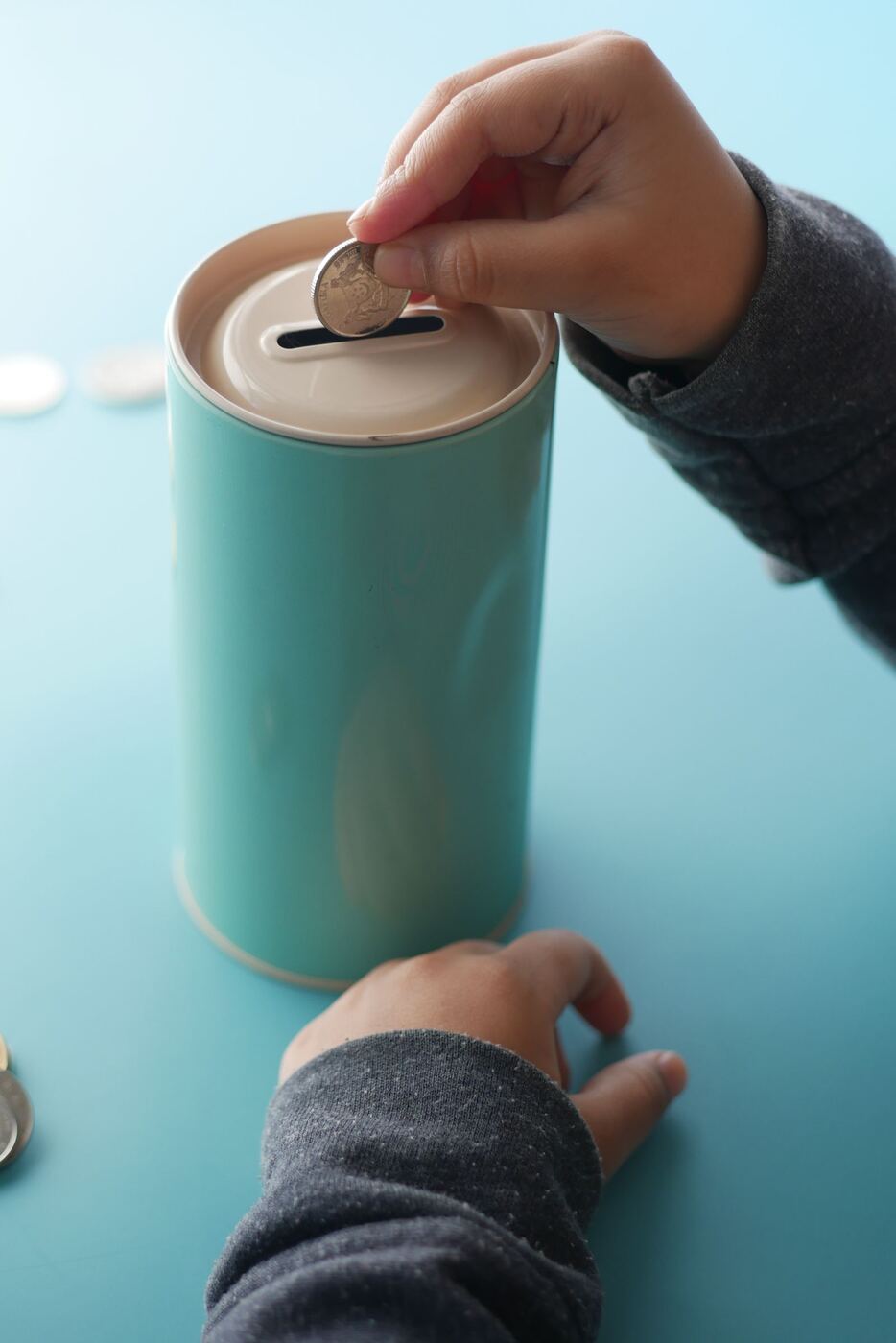
- Keep a tzedakah box (pushka) at home, in the kitchen, in the car or at the office.
- Give before Shabbat candle lighting and before praying on weekdays.
- Involve children, letting them drop in coins each day.
- Give on special occasions, such as birthdays, a yahrzeit or Yizkor.
- Give before a journey, a custom linked to the idea that one on a mitzvah mission is protected.
Who to give to
Jewish law gives priorities: one's own family in need, then one's local community, then the Land of Israel and the wider world. Supporting Torah education and helping the poor are especially valued.
In Lamorinda: Want a tzedakah box for your home or ideas for giving? Call Rabbi Labkowski at 925-384-7242 and we will be glad to help.
Mark the occasion: sponsor a Kiddush or give in their honor Sponsor in honor or memory of a loved one →
Common questions
Is tzedakah only money?
Money is the main form of tzedakah, but Judaism also values giving time, care and kindness (gemilut chassadim). Both matter.
Does giving to any cause count as tzedakah?
Helping the poor and supporting Torah and Jewish life are the classic forms. Other good causes can also count. Ask the Rabbi if you have a specific question about using ma'aser funds.
Why put coins in a box instead of giving directly?
A tzedakah box makes giving a daily habit. When it fills up, you donate its contents to a worthy cause.
Can I give tzedakah on Shabbat?
No, money is not handled on Shabbat and Jewish holidays. Many people give right before Shabbat begins.
Give tzedakah today
Every gift, large or small, keeps Jewish life warm and open to everyone in Lafayette, Moraga and Orinda.
Questions about this, or something on your mind? Message the Rabbi or the Rebbetzin privately, or call 925-384-7242. · Email
Read next
 The 613 Mitzvot: What They Are and Why They MatterWhat the 613 commandments of the Torah are, how they are counted and divided, which apply today, and what a mitzvah really means.Read next →