
Learn › Shabbat & holidays › Shabbat rules, simply explained
Muktzeh: What Not to Move on Shabbat and Why
What muktzeh means on Shabbat: money, phones, tools and candlesticks, the main categories in simple terms, and tips to prepare your home before Shabbat.
On this page · 2 min read
Why the Sages made muktzehThe main kinds of muktzehWhat is not muktzehPractical tips for the homeWhen there is a real needMuktzeh means "set aside." On Shabbat, certain objects are set aside and not moved, even inside the house. Money, phones, tools, pens and the lit Shabbat candlesticks are common examples. The idea is simple: things that belong to the workweek stay put, so Shabbat feels like a different kind of day.
Why the Sages made muktzeh
Muktzeh is a rule of the Sages, not a separate melacha (category of work). The Rambam explains that it guards Shabbat in two ways. If you do not handle your tools, you are less likely to start fixing or building, which the Torah forbids (see the 39 melachot). And it keeps Shabbat a true day of rest, not a day of puttering around with weekday things.
The main kinds of muktzeh
There are several categories. In simple terms:
- Things with no Shabbat use at all, such as money, stones, raw materials and a candle that is lit. These may not be moved for any reason.
- Tools used mainly for forbidden work, such as a hammer, a pen, scissors, a lighter or (according to most authorities) a phone or computer. These may be moved if you need the tool for a permitted use (a hammer to crack nuts) or need the spot where it sits, but not just to protect it.
- Valuable items you are careful never to use for anything else, such as an expensive camera or a special knife kept only for business. These may not be moved at all.
- A base holding muktzeh: a tray or table that held only a muktzeh item when Shabbat began becomes muktzeh along with it.
The details of each category are many. When a real question comes up, ask the Rabbi.
What is not muktzeh
Most of what you use on Shabbat is fine: food, dishes, cutlery, books, clothing, toys meant for Shabbat play, chairs and blankets. Touching a muktzeh item without moving it is generally permitted, though be careful near the lit candles.
Practical tips for the home
- Empty your pockets before candle lighting. Money, keys you will not use and phones go in a drawer.
- Put the phone away before Shabbat, somewhere you will not reach for it by habit.
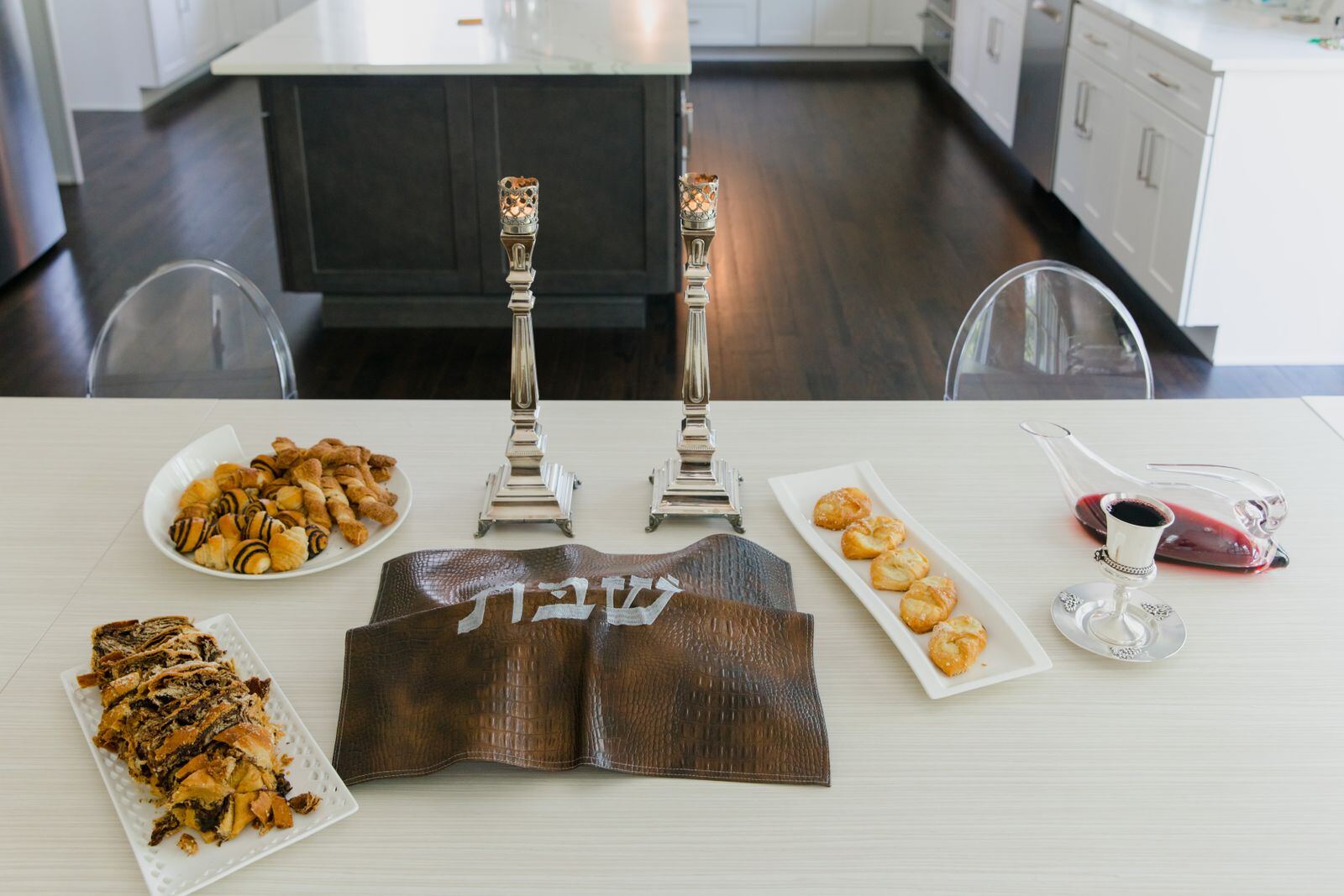
- Light candles where they can stay, on a tray or a small table that does not need to be moved. Many families light on a separate surface, not the dining table. Ask the Rabbi about the best setup for your home.
- Put away tools and work papers on Friday afternoon so the house is ready.
- Plan for children: set out books and Shabbat-friendly toys ahead of time.
When there is a real need
Muktzeh rules give way in an emergency that may endanger life (pikuach nefesh). There are also ways to handle smaller needs, such as an item left somewhere it is in the way. These depend on the case, so ask the Rabbi.
In Lamorinda: Have a muktzeh question about your home in Lafayette, Moraga or Orinda? Call Rabbi Yisroel Labkowski at 925-384-7242.
Common questions
Can I move my phone on Shabbat?
A phone is generally treated as muktzeh, so it is not moved or used. Put it away before Shabbat begins. If you need it nearby for a medical reason, ask the Rabbi.
Are Shabbat candlesticks muktzeh?
Yes. While the candles burn, the candlesticks are not moved. Whether they may be moved after the candles go out depends on the case, so ask the Rabbi. It is easiest to set them up before lighting where they can stay.
Is a pen or pencil muktzeh?
Yes. A pen is a tool for writing, which is forbidden on Shabbat. It may be moved only for a permitted use or if you need its place; it is easiest to put pens away before Shabbat.
Do the muktzeh rules apply on holidays too?
Yes, muktzeh applies on Yom Tov as well, with some differences. See cooking on Yom Tov and ask the Rabbi about specific items.
Questions about this, or something on your mind? Message the Rabbi or the Rebbetzin privately, or call 925-384-7242. · Email
Read next
 The 39 Melachot: What Counts as Work on ShabbatWhat the 39 categories of creative work forbidden on Shabbat are, where they come from, the full list in plain English, and how they apply today.Read next →