
Learn › Shabbat & holidays › The Jewish calendar and months
The Jewish Calendar Explained: Months, Leap Years and Holidays
How the Hebrew calendar works: lunar months, leap years, the 12 Jewish months, why holidays move, and why days start at sunset.
On this page · 2 min read
Days begin at sunsetLunar monthsThe 12 Hebrew monthsLeap yearsCounting the yearsWho set the calendar?The Jewish calendar is a lunar-solar calendar: its months follow the moon, while an extra month is added in leap years to keep the holidays in their proper seasons. That is why Jewish holidays fall on different English dates each year but always in the same season.
Days begin at sunset
In the Torah's account of creation, "there was evening and there was morning, one day." So a Jewish day begins at sunset and ends at nightfall the next day. Shabbat and holidays begin on the evening before. This also affects birthdays, bar and bat mitzvah dates and yahrzeits.
Lunar months
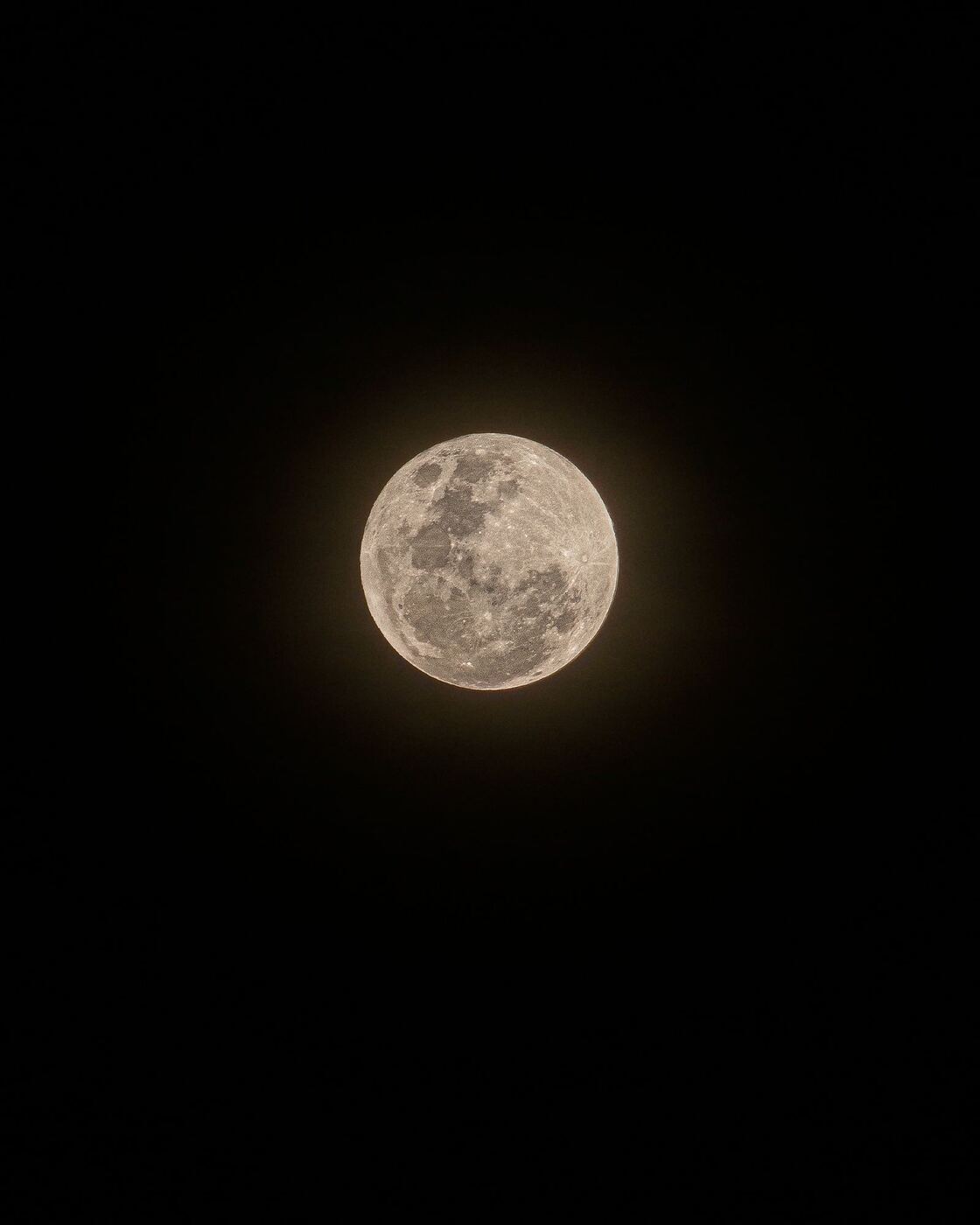
Each Jewish month begins with the new moon. A lunar month is about 29 and a half days, so Jewish months have either 29 or 30 days. The start of each month is a minor holiday called Rosh Chodesh.
The 12 Hebrew months
- Nissan (March to April): Passover.
- Iyar (April to May): Lag BaOmer.
- Sivan (May to June): Shavuot.
- Tammuz (June to July): fast of 17 Tammuz.
- Av (July to August): Tisha B'Av.
- Elul (August to September): month of preparation.
- Tishrei (September to October): Rosh Hashanah, Yom Kippur, Sukkot, Simchat Torah.
- Cheshvan (October to November).
- Kislev (November to December): Chanukah.
- Tevet (December to January): fast of 10 Tevet.
- Shevat (January to February): Tu BiShvat.
- Adar (February to March): Purim.
The Torah counts Nissan as the first month, since it marks the Exodus. Yet the year number changes on Rosh Hashanah, in Tishrei, which marks the creation of humanity.
Leap years
Twelve lunar months add up to about 354 days, roughly 11 days shorter than a solar year. Without correction, Passover, a spring holiday, would drift into winter.
To fix this, a 13th month called Adar II is added seven times in every 19-year cycle. In a leap year, Purim is celebrated in Adar II.
Counting the years
The Jewish calendar counts from the creation of Adam and Eve. For example, the year that began in fall 2026 is 5787. To find a Hebrew date, use our Hebrew date converter.
Who set the calendar?
In ancient times, the Sanhedrin (high court) in Jerusalem declared each new month based on witnesses who saw the new moon. In the fourth century, Hillel II established the fixed calculated calendar we use today, so Jews everywhere could stay united.
In Lamorinda: Find upcoming holidays on our holidays page or convert any date with our Hebrew date tool. Questions? Call Rabbi Labkowski at 925-384-7242.
Common questions
Why do Jewish holidays change dates every year?
They do not change on the Hebrew calendar. Passover is always on 15 Nissan. It only seems to move because the English calendar follows the sun, while the Hebrew calendar follows the moon with leap-year adjustments.
Why do some holidays last an extra day outside Israel?
In ancient times, communities far from Jerusalem could not be sure which day the new month was declared, so they kept two days to be safe. This custom continues today. See our holidays page.
What is my Hebrew birthday?
Your Hebrew birthday is the Hebrew date on which you were born. If you were born after sunset, it is the next Hebrew date. Our Hebrew date tool can help.
What year is it on the Jewish calendar?
The year 5787 began on Rosh Hashanah in fall 2026. The year number increases each Rosh Hashanah.
Questions about this, or something on your mind? Message the Rabbi or the Rebbetzin privately, or call 925-384-7242. · Email
Read next
 Rosh Chodesh: Celebrating the Jewish New MonthWhat Rosh Chodesh is, why the new moon matters, how it is celebrated with prayers and customs, and its special connection to women.Read next →