
Learn › Prayer & Torah › Blessings (brachot)
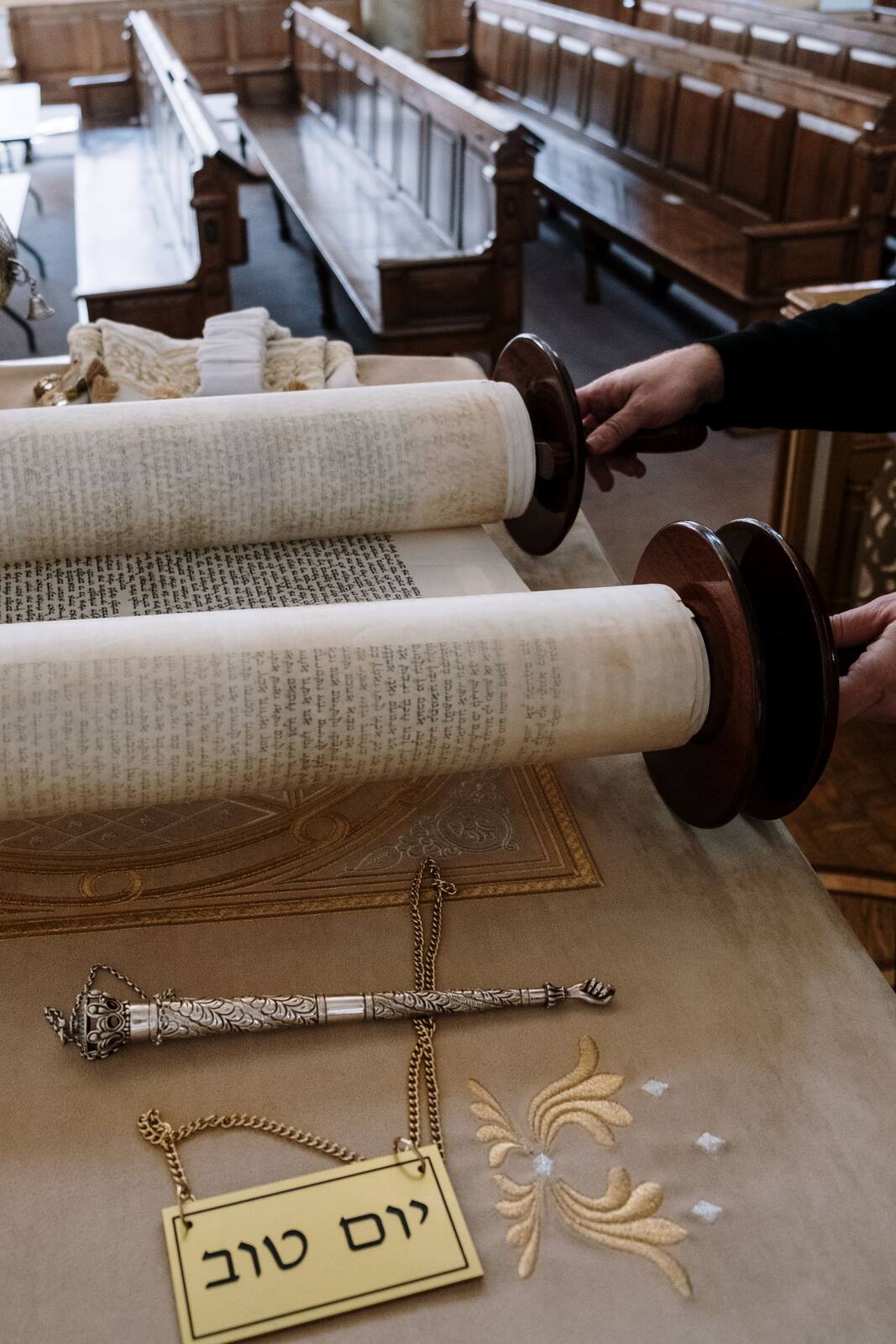
Birkat Kohanim: The Priestly Blessing and Blessing Our Children
The Priestly Blessing: its three verses, who the Kohanim are, when it is said in synagogue, and how parents bless children with it on Friday night.
On this page · 3 min read
The three versesWho are the Kohanim?When is it said in synagogue?What happens during the blessingBlessing children on Friday nightBirkat Kohanim, the Priestly Blessing, is one of the oldest blessings in the world. G-d commanded Aaron the High Priest and his descendants, the Kohanim, to bless the Jewish people with these words, and they have been said ever since: in the Holy Temple, in synagogues around the world, and by many parents over their children's heads, often on Friday night.
The three verses
The blessing is found in the Torah, in the Book of Numbers (6:24-26):
Yevarechecha Ado-nai v'yishmerecha. "May G-d bless you and protect you."
Ya'er Ado-nai panav elecha vichuneka. "May G-d shine His face upon you and be gracious to you."
Yisa Ado-nai panav elecha v'yasem lecha shalom. "May G-d turn His face toward you and grant you peace."
The verses grow from three words to five to seven, like a blessing that keeps expanding. The Torah adds: "They shall place My name upon the Children of Israel, and I will bless them." The Kohanim are the channel, but the blessing comes from G-d.
Who are the Kohanim?
A Kohen is a descendant of Aaron, passed from father to son. Families often know they are Kohanim through family tradition, and last names like Cohen, Kahn or Katz sometimes (not always) hint at it. Kohanim have special honors and duties: they are called first to the Torah, they perform the Pidyon Haben, and they keep certain laws of purity, such as not entering a cemetery except for close relatives.
If you think you may be a Kohen, tell the Rabbi.
When is it said in synagogue?
- In Israel, Kohanim bless the congregation every day.
- Outside Israel, in Ashkenazi communities including Chabad, the Kohanim bless the congregation only on the holidays, during the Musaf prayer (and on Yom Kippur also at Neilah).
- On other days, the chazzan recites the verses in the repetition of the Amidah, and the congregation answers "Ken yehi ratzon," "May it be G-d's will."
What happens during the blessing
When the Kohanim "go up to duchan" (the platform), a moving scene unfolds:
- Levites wash the Kohanim's hands, and the Kohanim remove their shoes.
- The Kohanim stand before the Ark, cover their heads with their tallit, face the congregation and spread their hands.
- They say a blessing on the mitzvah, then the verses word by word after the chazzan.
- The congregation stands facing them, does not look at their hands, and answers Amen.
Many parents gather their children under their own tallit during the blessing.
Blessing children on Friday night
Many parents bless their children every Friday night, often before Kiddush or when returning from synagogue, placing their hands on the child's head.
- For a boy: "Yesimcha Elo-him k'Efrayim v'chi-Menasheh," "May G-d make you like Ephraim and Menasheh."
- For a girl: "Yesimech Elo-him k'Sarah, Rivkah, Rachel v'Leah," "May G-d make you like Sarah, Rebecca, Rachel and Leah."
- Then the three verses of the Priestly Blessing.
Customs differ in the details, and many Chabad families bless children at special times, such as before Yom Kippur; ask the Rabbi about Fridays. Add a kiss, a hug or a few words of your own. Children remember this moment for life. See Shabbat with kids.
In Lamorinda: Families in Lafayette, Moraga, Orinda and the East Bay: call Rabbi Yisroel Labkowski with any question, 925-384-7242.
Common questions
Do I need to be a Kohen to bless my children?
No. Any parent or grandparent may bless children with these words. Only the formal blessing in synagogue is said by Kohanim.
Why don't we look at the Kohanim during the blessing?
It is a sacred moment when G-d's presence rests on the blessing. Lowering the eyes keeps the focus on receiving the blessing, not on watching.
Can I bless my children if they are grown or far away?
Yes. Many parents bless grown children when they visit, or over the phone before Shabbat.
What if there are no Kohanim in the synagogue?
The chazzan says the verses in the Amidah, as on ordinary days.
Questions about this, or something on your mind? Message the Rabbi or the Rebbetzin privately, or call 925-384-7242. · Email
Read next
 Pidyon Haben: Redemption of the Firstborn SonWhat a pidyon haben is, which baby boys need one, when it takes place, how the ceremony works with a Kohen and five silver coins, and its meaning.Read next →