
Learn › Jewish ideas › Kindness and loving others
Bal Tashchit: The Jewish Teaching Against Waste
What bal tashchit means, the Torah's ban on needless destruction, and how Jewish tradition guides us to care for food, things and the environment.
On this page · 2 min read
Where it comes fromWhy it mattersWhat it includesWhen it is not wasteLiving it, step by stepA Tu B'Shvat connectionBal tashchit means "do not destroy," and it is the Torah's prohibition against wasting or needlessly destroying anything useful. It began as a law about fruit trees and grew into a whole Jewish approach to food, possessions and the natural world.
Where it comes from
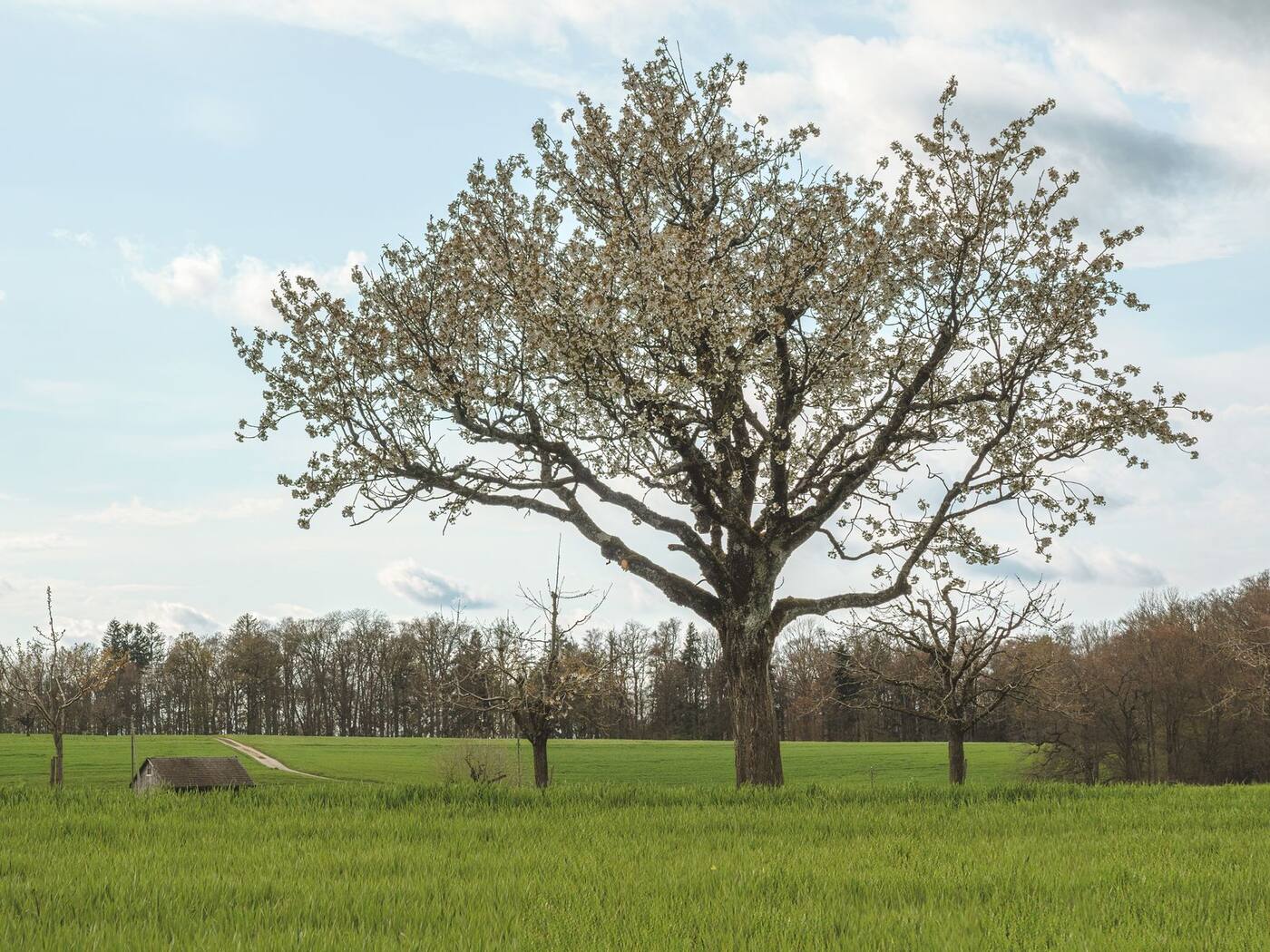
The Torah says that when an army besieges a city, "you shall not destroy its trees... for from them you eat" (Deuteronomy 20:19). Even in war, a fruit tree may not be cut down for no reason. The Sages learned from this verse a general rule: it is forbidden to destroy, break or waste anything that has a use, whether food, clothing, tools, buildings or natural resources.
Why it matters
- The world belongs to G-d. We are caretakers, not owners. Wasting something is treating G-d's gift carelessly.
- Everything has a purpose. Chassidic teaching explains that every object holds a spark of G-dliness, and using it properly elevates that spark. Wasting it leaves the spark unused.
- It shapes character. The Sefer HaChinuch writes that the mitzvah trains us to love what is good and useful, and to keep away from destructiveness.
What it includes
- Food. Throwing out good food, or cooking far more than needed and discarding it, is a concern. Leftovers and sharing extra food are Jewish values.
- Things. Breaking objects in anger or ruining clothing and furniture for no reason.
- Resources. Many teachers apply the principle to wasting water, energy and fuel.
- Your body. The Talmud counts harming your own health as a form of destruction, since the body is entrusted to us.
When it is not waste
Bal tashchit forbids needless destruction. Using something for a real purpose is not waste. Cutting a tree to build a home, or replacing an item because a better one serves you more, can be permitted. Spending on a mitzvah, like a beautiful menorah or a fine Shabbat meal, is not waste either; it is a good use of resources. When a specific case is unclear, ask the Rabbi.
Living it, step by step
- Plan meals and shop from a list so less food is thrown away.
- Store and use leftovers, especially from Shabbat and holiday meals.
- Repair before replacing clothing, furniture and tools when it makes sense.
- Donate items you no longer need instead of throwing them away. Giving them to someone in need adds the mitzvah of tzedakah.
- Save water and energy at home and at work.
- Teach your children to respect food and things, and to say a blessing before eating, which reminds us where our food comes from.
A Tu B'Shvat connection
On Tu B'Shvat, the New Year for Trees, we eat fruits of the Land of Israel and think about our connection to the natural world. It is a great time to talk with children about bal tashchit. See our Tu B'Shvat seder guide and Tu B'Shvat page.
In Lamorinda: Want to learn more about the Jewish view of the world around us? Join a class with Rabbi Labkowski at jewishlamorinda.com/programs/adult-education or call 925-384-7242.
Common questions
Is throwing away leftover food against Jewish law?
Throwing out good food without reason goes against bal tashchit. Food that has spoiled or that no one will eat may be discarded. Many people wrap bread respectfully before discarding it.
Can I cut down a fruit tree in my yard?
Jewish law is very careful about cutting down fruit-bearing trees, and there are specific rules and exceptions. Ask the Rabbi before cutting one down.
Does bal tashchit apply to the environment?
Yes. Many Jewish teachers apply it to wasting water, energy and natural resources. The basic idea is the same: the world is G-d's, and we should use it wisely.
Is spending money on luxuries a violation?
Not necessarily. Bal tashchit is about destroying or wasting something useful. Enjoying what G-d has given, and beautifying mitzvahs, is a Jewish value. Moderation and generosity are the guides.
Questions about this, or something on your mind? Message the Rabbi or the Rebbetzin privately, or call 925-384-7242. · Email
Read next
 Tu BiShvat Seder: How to Celebrate the New Year for TreesHow to hold a Tu BiShvat seder or fruit gathering: the seven species, the right blessings and their order, and the Kabbalistic customs.Read next →