
Learn › Jewish ideas › Tzedakah: how and why to give
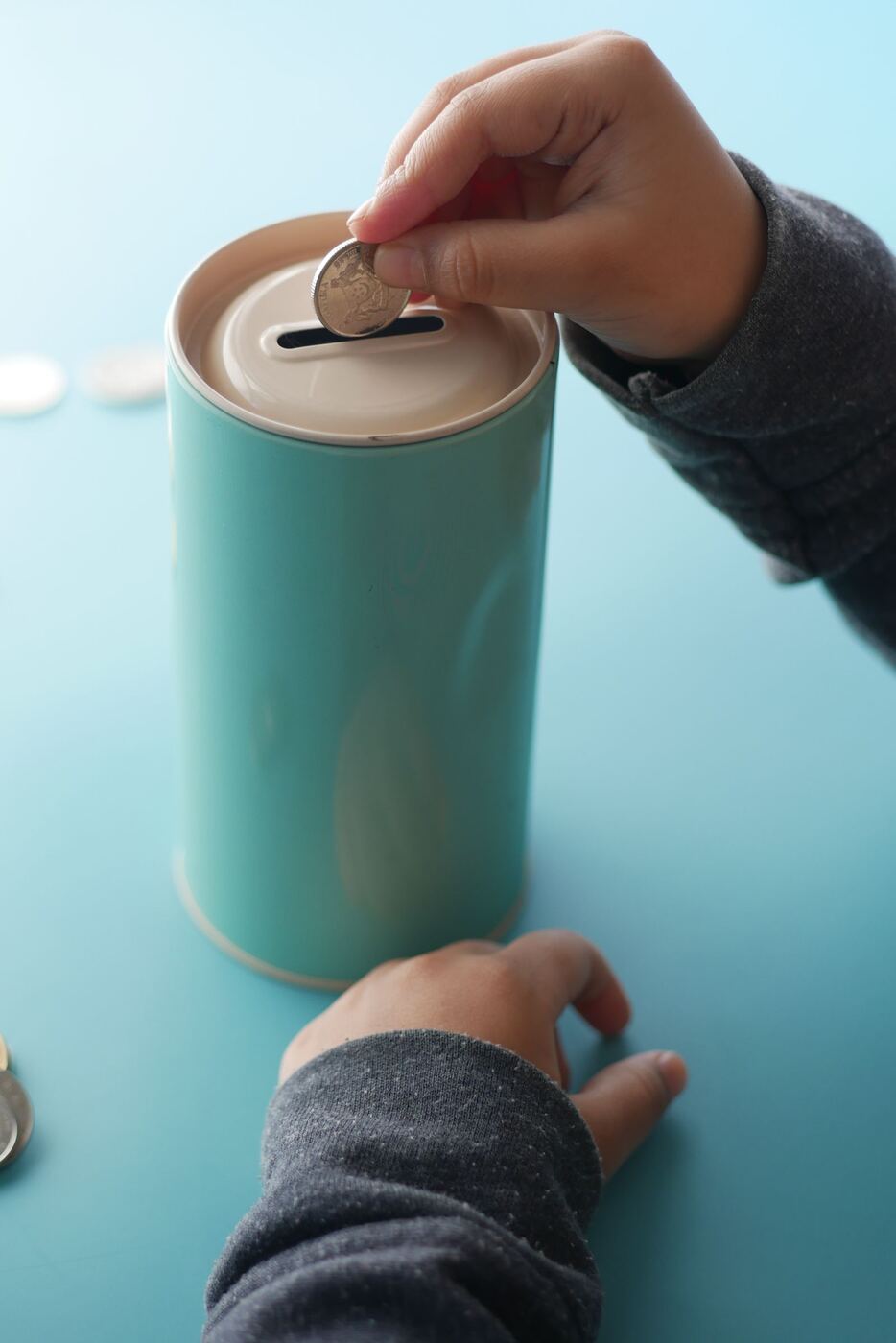
Why Give Tzedakah Before Praying? The Morning Coin in the Pushka
Why do Jews give tzedakah before praying? The Talmud's story of Rabbi Eleazar and the Ari's teaching, and how to make the morning coin a habit.
On this page · 2 min read
The Talmud's storyWhat the Ari taughtHow to make it a habitWhat about Shabbat?It is a Jewish custom to give a coin to tzedakah before praying in the morning. The custom comes from the Talmud, which tells that Rabbi Eleazar gave a coin to a poor person and only then prayed.
The Talmud's story
Giving charity before prayer is customary. The Talmud (Bava Batra 10a) teaches that a small coin given to a poor person makes one worthy of the Divine Presence. It tells that Rabbi Eleazar would give a coin before he prayed. The idea is simple: before we ask G-d for what we need, we first help someone else with what they need.
Tzedakah (צְדָקָה) means "justice," not just "charity." Our money is entrusted to us by G-d so that we can share it (see Tzedakah). A coin before prayer reminds us of that before we begin to speak with Him.
What the Ari taught
Here is a teaching of Rabbi Yitzchak Luria, the Ari, from Kabbalah. He taught that charity given before prayer joins the first two letters of G-d's Name to the last two, which the sins of mankind had separated. In his picture, the coin is like the letter yud, the arm held out is like the vav, and the fingers of both hands are like the two letters hei.
The same page tells, from Rabbi Chaim Vital, that the Ari gave with great joy and did not check whether money remained for himself. The Ari's teaching is deep, and there are many details. If you want to learn more, ask the Rabbi.
How to make it a habit
It is recommended to keep a charity box, a pushka, at home and at work, and putting coins in it at least once a day. A simple routine is to place a coin in the pushka each morning before Shacharit, the morning prayer. This is a custom for families in Lafayette, Moraga and Orinda and everywhere. See also children, money and tzedakah.
How you give matters more than how much. See how to give kindly.
What about Shabbat?
Money cannot be handled on Shabbat, which is why the custom before Shabbat candles is to set aside the amount on Friday. On Shabbat and holidays, ask the Rabbi what is customary, and read about giving before candle lighting.
In Lamorinda: Want a tzedakah box for your home or help starting a morning routine? Call Rabbi Labkowski at 925-384-7242.
Common questions
Why do Jews give charity before praying?
It is a custom based on the Talmud (Bava Batra 10a), where Rabbi Eleazar gave a coin to a poor person before he prayed. Giving first reminds us that we ask G-d for our needs after caring for another's.
How much should I give before davening?
It is good to put coins in the pushka at least once a day. For how much to give overall, see maaser or ask the Rabbi.
Does the custom apply on Shabbat?
Money is not handled on Shabbat. If you have a question about how to keep the custom on Shabbat or holidays, ask the Rabbi at 925-384-7242.
Do women and children give before praying too?
It is recommended to keep a pushka at home and at work and giving at least once a day. Women and girls customarily give before lighting Shabbat candles. Ask the Rabbi about your family's practice.
What did Rabbi Yitzchak Luria teach about it?
The Ari's teaching is that charity before prayer joins the parts of G-d's Name that sin had separated, and that one should give joyfully.
Where can I get a pushka in Lafayette?
Call Rabbi Labkowski at 925-384-7242 to ask about a tzedakah box for your home.
Take the next step
- Read next: Candle-lighting tzedakah, the Friday custom.
- Learn the morning prayer in Shacharit.
- Talk to the Rabbi about starting a daily routine, or donate to Jewish life in Lamorinda.
Questions about this, or something on your mind? Message the Rabbi or the Rebbetzin privately, or call 925-384-7242. · Email
Read next
 Pushka: The Jewish Charity Box at HomeWhat a pushka (tzedakah box) is, why every Jewish home and child should have one, when to give, and what to do with the money once it is full.Read next →