
Learn › Life cycle › Wills and legacy gifts
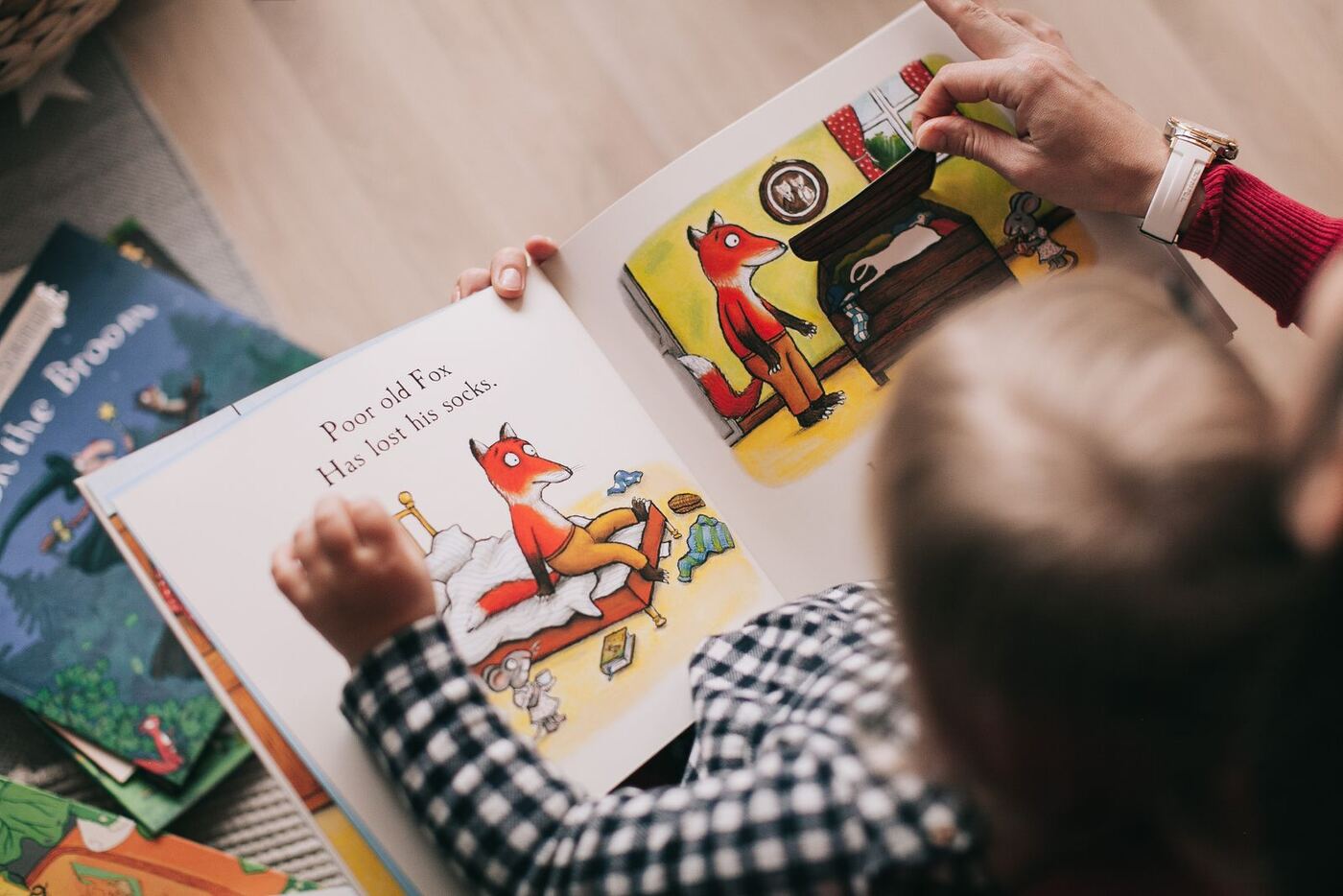
Talking to Your Children About Your Will and Your Legacy Gift
How to tell your children about your will and a charitable gift: why to speak while you can, explaining your values, and writing an ethical will.
On this page · 2 min read
Why tell them yourselfSay what you value, not only what you giveAn ethical willIdeas for the conversationThe best way to tell your children about your will and a charitable gift is to tell them yourself, in your own words, while you are able, and to explain the values behind your choices. It is wise to discuss your plans with your family, and a gift to a Jewish cause is easier for children to understand when they hear why it matters to you.
Why tell them yourself
Talk over your wishes with your family and a financial advisor. A will is a legal document, but children also wonder what their parent meant. Explaining it ahead of time can spare them from guessing. Family quarrels over an estate hurt, and the Torah takes peace seriously; see Family Feuds and Inheritance.
Say what you value, not only what you give
Beyond the numbers, your children want to know what you believe in. For a gift to Chabad of Lamorinda that may be: Jewish education for future generations, keeping Judaism alive, and Jewish continuity in Lafayette, Moraga and Orinda. Say it in your own words, as you would at a Shabbat table.
An ethical will
An ethical will is a letter that passes on your values, memories and blessings. One example was written by Dvora Waysman to her four children. She says her possessions are modest and would fit in a few lines, and she leaves them what she considers more valuable: memories, an extended family, Jewish faith and heritage, pride, and her love and blessing. A letter like this can sit beside your will and explain what the legal words cannot. See An Ethical Will and Recording Your Family Story.
Ideas for the conversation
These are simple suggestions, not rules:
- Choose a calm time, not a moment of stress.
- Begin with your values and your gratitude, then say what you have decided.
- Listen to questions and feelings.
- Say who will carry out your wishes, and where your documents are kept.
- Ask your attorney if anything legal needs to be said differently.
If a hard conversation seems likely, the Rabbi or the Rebbetzin can help you think it through. Call 925-384-7242 or 925-384-7241, or talk privately with the Rabbi. This guide is not legal or tax advice.
In Lamorinda: Want to talk through how to tell your family? Call Rabbi Yisroel Labkowski at 925-384-7242 or Rebbetzin Tzipora Labkowski at 925-384-7241.
Common questions
How do I tell my children about my will?
Tell them yourself, in a calm moment, beginning with your values. It is wise to discuss your wishes with family.
Do I have to tell my children about a gift to charity?
That is your decision. Many people find that telling their children is kind and avoids surprises. Ask your attorney about legal points.
What is an ethical will?
A letter that passes on your values and blessings. See An Ethical Will.
What if my children disagree?
Listen, and explain. If a quarrel grows, the Rabbi can help; see Family Feuds and Inheritance.
Can I tell Chabad of Lamorinda about my gift?
Yes, if you wish. Call Rabbi Yisroel Labkowski at 925-384-7242 or Rebbetzin Tzipora Labkowski at 925-384-7241. He is glad to speak with you privately.
Where do I begin?
See How to Make a Legacy Gift, Step by Step and the legacy page.
Take the next step
- Write the first lines of your ethical letter this week.
- Call 925-384-7242 or 925-384-7241 if you want to talk first.
- Read How to Make a Legacy Gift, Step by Step.
Questions about this, or something on your mind? Message the Rabbi or the Rebbetzin privately, or call 925-384-7242. · Email
Read next
 Ethical Will: How to Write a Jewish Legacy LetterWhat an ethical will (tzava'ah) is, its roots in the Torah, and simple steps for writing a letter that passes on your values to your family.Read next →