
Learn › Shabbat & holidays › Sukkot and Simchat Torah
Sukkot for Beginners: The Sukkah, the Lulav and a Week of Joy
New to Sukkot? The sukkah, the four kinds, the ushpizin guests, Hoshana Rabbah, Shemini Atzeret and Simchat Torah, explained simply for first-timers.
On this page · 3 min read
What Sukkot remembersThe sukkahThe four kindsGuests, seen and unseenHoshana RabbahShemini Atzeret and Simchat TorahMaking it yoursFive days after Yom Kippur, the mood changes completely. Fasting and long prayers give way to a week of eating outdoors under a roof of branches, waving a palm frond, singing and dancing. The Torah calls Sukkot "the time of our joy." Here is the whole week in one place.
What Sukkot remembers
Sukkot lasts seven days, beginning on the 15th of Tishrei, usually in late September or October. It remembers the forty years our ancestors spent in the desert after leaving Egypt, living in temporary huts and sheltered by G-d's clouds of glory. Chassidic teaching adds: the joy of Sukkot is the joy of Yom Kippur let loose. On Yom Kippur we were forgiven; on Sukkot we celebrate that closeness out in the open.
The sukkah
The first mitzvah of the week is to live in a sukkah, a temporary hut with at least three walls and a roof of cut branches or bamboo, open enough to see the stars through. For seven days we eat our meals in it.
Why move outdoors? The sukkah teaches that our security never came from walls. We step out of the solid house into a fragile hut and discover that we are safe anyway, because G-d is sheltering us.
Kits go up in an hour on any patio in Lafayette, Moraga or Orinda. See the sukkah for what makes one kosher. No sukkah of your own? Call the Rabbi to find a sukkah to eat in.
The four kinds
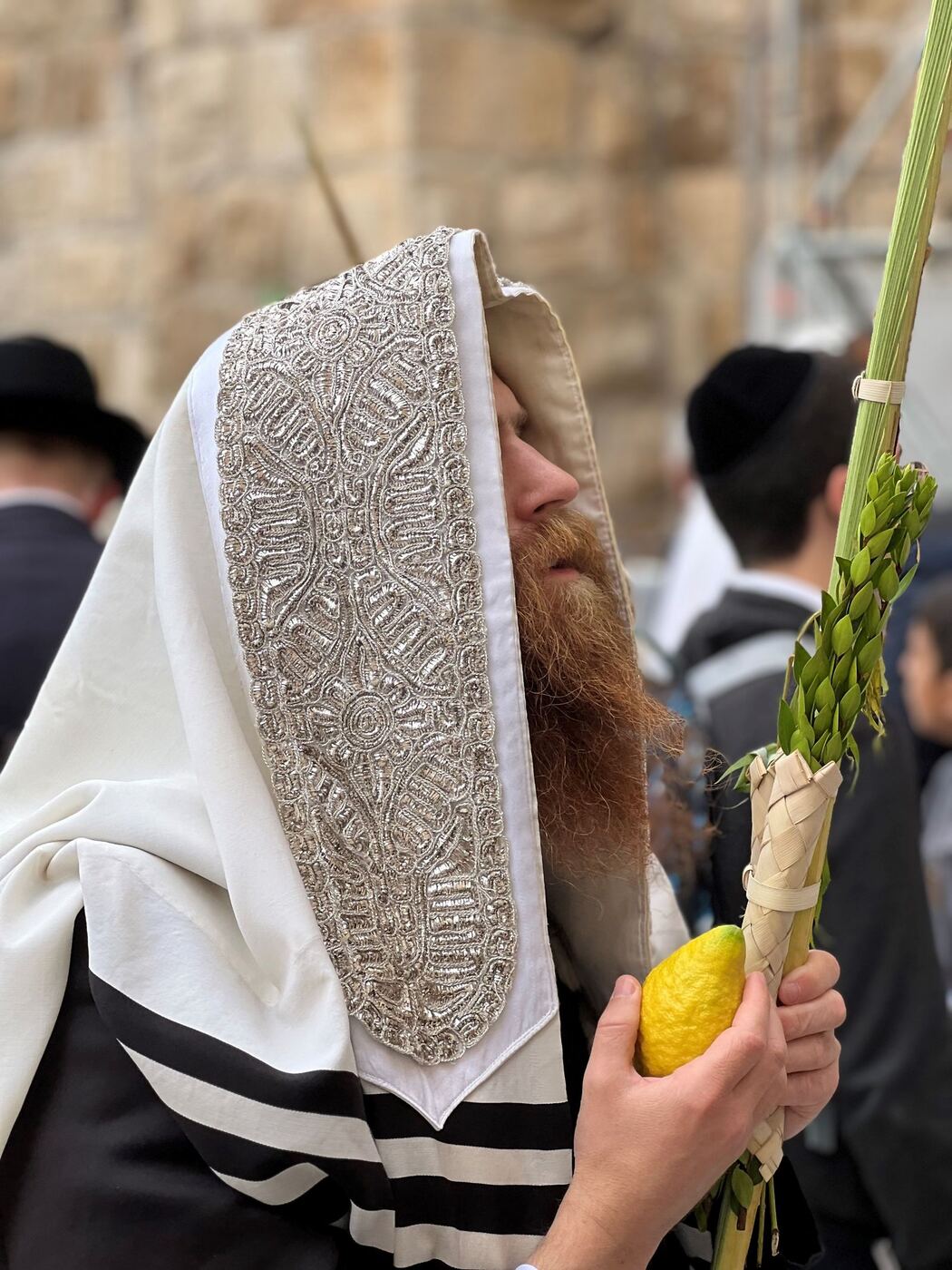
The second mitzvah is to take the "four kinds": a lulav (palm frond), myrtle, willow and an etrog (citron). We hold them together, say a blessing, and wave them in all six directions, every day of Sukkot except Shabbat. The sages explain that the four plants stand for four kinds of Jews, held together as one; none is complete without the others. See the four kinds.
Chabad has made it a special mission to bring the lulav and etrog to Jews wherever they are: in offices, hospitals and on street corners. If someone offers you a lulav to shake during Sukkot, say yes. If you would like to do it this year, call the Rabbi.
Guests, seen and unseen
Sukkot is a week for hospitality. Every night, tradition says, one of seven spiritual guests, the ushpizin, visits the sukkah: Abraham, Isaac, Jacob, Moses, Aaron, Joseph and King David. Many families invite real guests too. See ushpizin and hospitality.
Hoshana Rabbah
The seventh day is Hoshana Rabbah, "the great plea." We circle the synagogue seven times with the four kinds, then beat a bundle of willow branches on the ground. It is the day the judgment of the High Holidays is finally sealed. See Hoshana Rabbah.
Shemini Atzeret and Simchat Torah
Two more festival days follow. On Shemini Atzeret, as the sages picture it, G-d says: "Stay one more day; it is hard for Me to part with you." On Simchat Torah we finish reading the whole Torah and start again from Genesis. The scrolls are taken out and we dance with them in seven circles, the hakafot. If you have never danced in a synagogue, this is the day to come. See hakafot and Simchat Torah.
Making it yours
You do not need to do all of it. Eat one meal in a sukkah. Shake a lulav once. Come dance on Simchat Torah. Bring children; see Sukkot with kids. For this year's dates and events, see the Sukkot holiday page and Shabbat and holiday times.
In Lamorinda: Every Jew from Lafayette, Moraga and Orinda is welcome on Sukkot; no membership needed. Call Rabbi Yisroel Labkowski at 925-384-7242 to hear what Chabad of Lamorinda has planned this year and to find a sukkah to eat in.
Common questions
Which days of Sukkot are "holidays" and which are not?
The first two days, and Shemini Atzeret and Simchat Torah at the end, are full festival days like Shabbat. The middle days, Chol Hamoed, are semi-festive: we still eat in the sukkah and shake the lulav, but regular activities are allowed.
What if it rains?
If rain would spoil the meal, the law exempts you from eating in the sukkah, but Chabad custom is to eat in the sukkah in any weather. Ask the Rabbi, especially about the first night, when you should eat at least an olive-sized piece of bread in the sukkah.
Can I shake a lulav if I don't have my own?
Yes. One set serves a whole family or community, and many synagogues keep a set for everyone to use. Call the Rabbi to ask about shaking the lulav this year.
Is Simchat Torah for children or adults?
Both. Adults discover that dancing with a Torah scroll, even if you cannot read it, is one of the happiest moments of the Jewish year.
Questions about this, or something on your mind? Message the Rabbi or the Rebbetzin privately, or call 925-384-7242. · Email
Read next
 How to Build a Sukkah: Rules, Size and the BlessingWhat a sukkah is, how to build a kosher sukkah step by step, what to use for the roof, the blessing, and how to eat and live in it on Sukkot.Read next →