
Learn › Prayer & Torah › The Torah, the Tanach and the weekly parsha
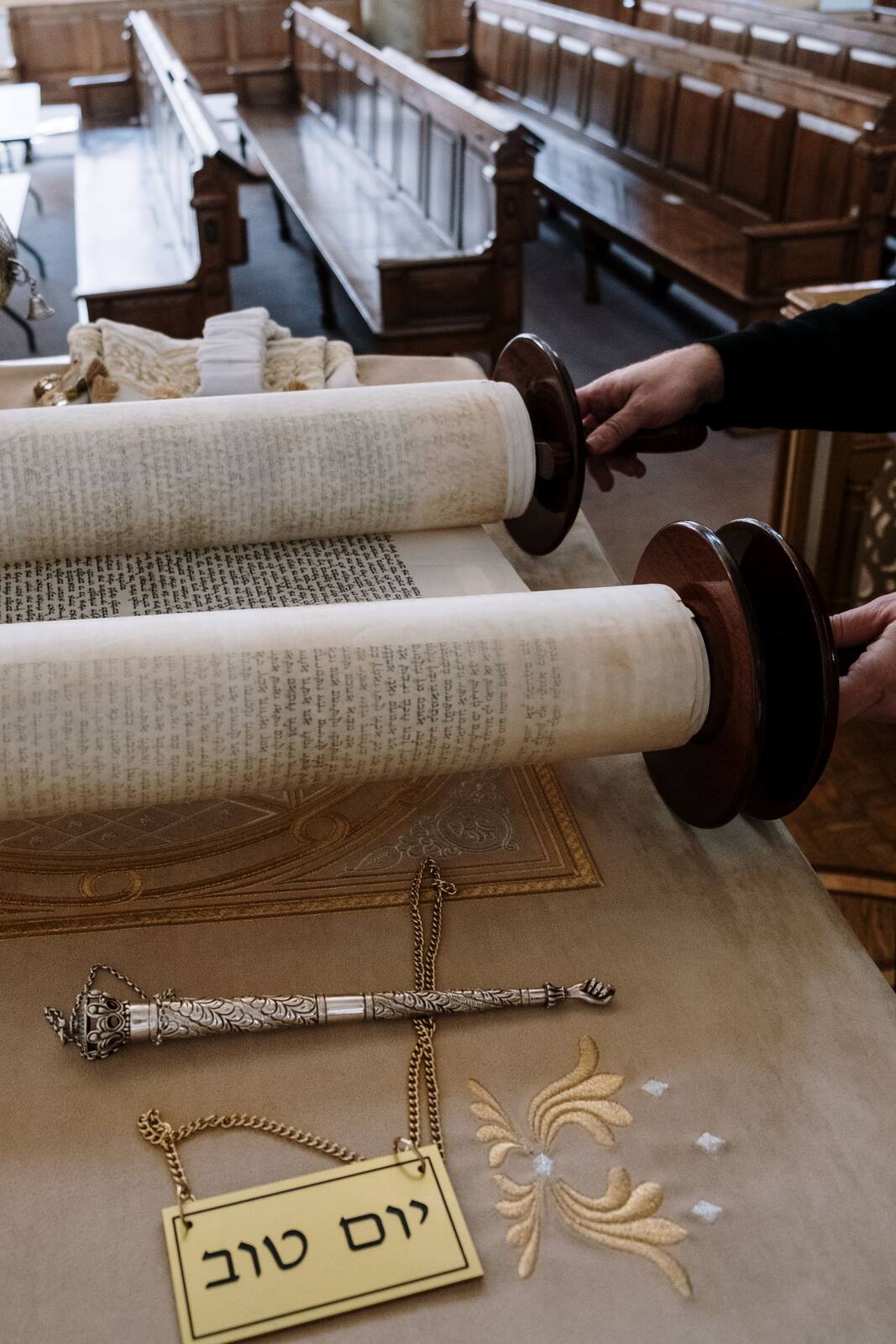
Kohelet (Ecclesiastes): King Solomon on What Really Matters
What is the Book of Ecclesiastes (Kohelet) about? King Solomon on "vanity of vanities", "a time for everything" and why it is read on Sukkot.
On this page · 3 min read
What is Kohelet?"Vanity of vanities""A time for everything"How the book endsWhy do we read Kohelet on Sukkot?Who is Kohelet for?Kohelet (קהלת), known in English as Ecclesiastes, is a book of the Tanach containing King Solomon's wise observations on life, and it is read in many synagogues on Sukkot. It asks a question every thoughtful person eventually asks: what is truly worth our effort, and what will last?
What is Kohelet?
Kohelet is a book of Tanach containing Solomon's wise observations on life. It is part of the Writings, the third section of the Tanach. Its Hebrew name is related to the word for "gathering" or "assembly," and the author speaks as one who has seen everything life offers. For the story of the wise king behind it, see King Solomon.
"Vanity of vanities"
The most famous line of the book is "vanity of vanities, all is vanity." The Hebrew word translated "vanity" is hevel (הבל), which literally means a breath or a vapor, something that is here and gone. The major theme of Kohelet is how empty mundane pursuits and pleasures can be, and the search for deeper meaning. Wealth, status, pleasure and busyness cannot, by themselves, fill the human heart.
Kohelet is not a book of despair. It is a book that clears away the false answers so that the true one can be heard.
"A time for everything"
The third chapter gives the best-loved passage of the book: "To everything there is a season, and a time for every purpose under heaven." It lists the times of life: a time to be born and a time to die, a time to weep and a time to laugh, a time to mourn and a time to dance, a time to be silent and a time to speak. Wise living means knowing which time you are in. If you are in a season of loss, see comforting mourners. If it is a season of joy, see simcha.
How the book ends
The conclusion, in the last chapter, is simple. After weighing everything, Kohelet's final words are that the whole matter is to fear G-d and keep His commandments. In other words, what lasts is a life connected to G-d and to His Torah. The things we chase can be taken away, but a mitzvah done, a kindness given and a day of learning are permanent. For a larger look at why we are here, see the purpose of life.
Why do we read Kohelet on Sukkot?
Sukkot is also called Chag HaAsif, the Festival of Ingathering. It falls after the harvest, when the crops are stored and there is deep satisfaction in the results of our work. Kohelet tempers that satisfaction. It reminds us that material accomplishments are short-lived, so even after a successful harvest we should pursue lasting achievement.
The sukkah makes the same point. We leave our permanent, comfortable homes and sit in a fragile booth. This shows the impermanence of physical things, just as Kohelet does. Yet Sukkot is called "the season of our joy," so the festival teaches that joy is possible when we know what truly matters. See Sukkot for beginners and the Sukkot holiday guide.
When it is read varies by community. In many places it is read on the Shabbat during Sukkot, and when there is no such Shabbat, on Shemini Atzeret. Ask the Rabbi what is done in your community.
Who is Kohelet for?
It speaks to people at any age who ask "what is it all for?": a young professional in the Bay Area with a busy career, or a retiree in Lafayette, Moraga or Orinda looking back on a life of work. Its answer does not tell you to stop working or to stop enjoying life. It asks you to put first things first.
In Lamorinda: Asking "what is it all for?" is a very Jewish question. Come and explore it with us: call 925-384-7242 or see /programs/adult-education.
Common questions
What is the Book of Ecclesiastes about?
Kohelet contains King Solomon's wise observations on life. Its major theme is the emptiness of mundane pursuits and pleasures, and the search for what truly lasts.
What does "vanity of vanities" mean?
The Hebrew word hevel means a breath or vapor, something fleeting. The phrase means that anything that does not last cannot, by itself, give life meaning.
Who wrote Kohelet?
The book contains the wise observations of King Solomon.
Why is Ecclesiastes read on Sukkot?
Kohelet reminds us that material success is fleeting, which tempers the satisfaction of the harvest. The temporary sukkah teaches the same lesson. Kohelet is also read in many communities on the holiday.
What does "a time for everything" mean?
It is a passage from the third chapter that lists the seasons of life, from birth to death and from weeping to laughing, and teaches that each has its time.
Where can I study Kohelet with others in Lafayette, Moraga and Orinda?
Call Chabad of Lamorinda in Lafayette at 925-384-7242 or see adult education.
Take the next step
- Read the story of the king in King Solomon.
- Ask the big question in the purpose of life.
- Come to a Sukkot celebration: see events or call 925-384-7242.
Questions about this, or something on your mind? Message the Rabbi or the Rebbetzin privately, or call 925-384-7242. · Email
Read next
 King Solomon: The Wisest Man, the First Temple and His Three BooksWho was King Solomon? His request for wisdom, the two mothers, building the First Temple and the three books he wrote, with lessons for today.Read next →