
Learn › Mourning & remembrance › Sitting shiva
Shiva Day by Day: A Practical Guide to the Seven Days
How to sit shiva, day by day: when it starts and ends, what mourners do, Shabbat during shiva and the last morning. Help with a minyan: 925-384-7242.
On this page · 5 min read
A typical dayWhat mourners doDays 1 to 3Friday afternoonShabbat during shivaSaturday nightHolidaysThe last morningWe are so sorry for your loss. Shiva lasts seven days, and the day of the funeral counts as day one. It ends on the seventh morning, right after the morning service. A funeral on Wednesday means shiva ends on Tuesday morning. If you are sitting shiva in Lafayette, Moraga or Orinda, call Rabbi Yisroel Labkowski at 925-384-7242 and he will help with the prayer services.
You do not have to get it all right. Let a friend run the house, and let the Rabbi guide you. This page walks through the week in order. For the full list of what is allowed and what is not, see what mourners may and may not do.
A typical day
A shiva day is simple.
- Morning: the prayer service in the house, with a minyan, so the mourners can say Kaddish. See prayers at a shiva house.
- Daytime: visitors come to comfort you. Rest, eat and talk about your loved one.
- Late afternoon and evening: Mincha and Maariv in the house, with Kaddish again.
Family who live out of town may sleep at their own lodging, but they spend the day at the house of mourning. Relatives who are not among the seven mourners are welcome to sit with the family and help.
What mourners do
Shiva means setting aside the usual routine. In short, mourners:
- Sit on something low, close to the floor (under about 12 inches). A firm cushion works.
- Keep wearing the garment torn at the funeral (kriah).
- Do not wear leather shoes. Socks, slippers or sneakers are fine.
- Stay in the house, and do not work.
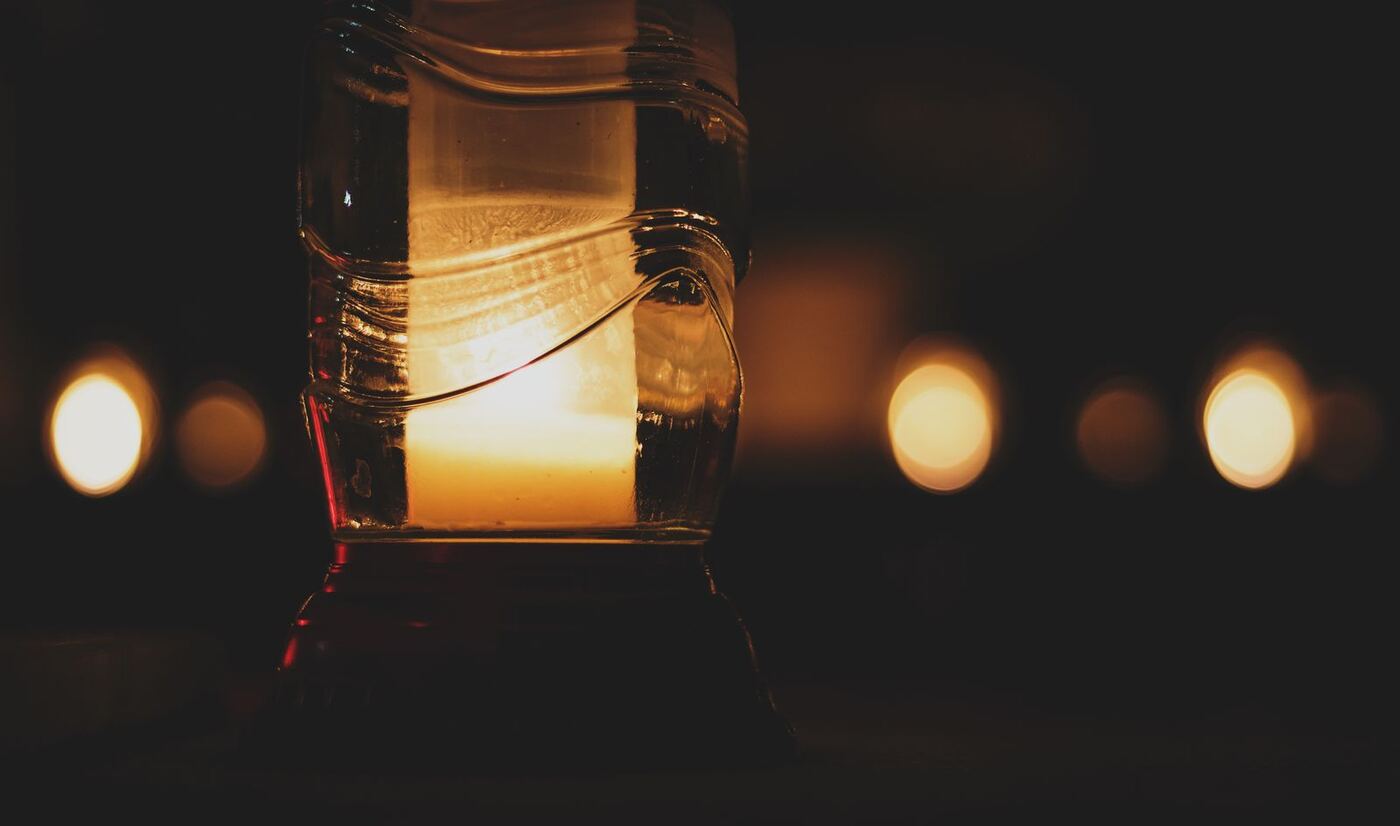
- Leave the mirrors covered and keep the memorial candle burning for all seven days. No blessing is said over it.
Ask a friend to handle meals, the door and the phone. Housework such as cooking and dishes is permitted, but it is best if others do it.
Days 1 to 3
In the first three days, a mourner does not say "hello" or "how are you." If a visitor who does not know about the death greets you, simply say that you are in mourning. Nodding is fine. After three days you may answer a greeting in kind.
Visitors wait for you to speak first. Silence is welcome. If the death was sudden, friends who are not very close may wait a day or two before visiting. Those who do come may bring food, but the family is not expected to serve anyone.
Friday afternoon
Shabbat is coming, and shiva pauses for it.
- Sit until late afternoon, then get up.
- Bathe and change into Shabbat clothes. This may begin about two and a half hours before sunset.
- Spread a clean tablecloth and prepare for Shabbat.
- Go to the synagogue for Friday night if you can. By local custom, the mourners wait outside during the opening and come in after Lecha Dodi.
Call the Rabbi well before Friday afternoon, and he will explain what to do where you live. If your funeral is on a Thursday or Friday, ask him how the timing works.
Shabbat during shiva
Public mourning is set aside on Shabbat, but Shabbat still counts as one of the seven days.
- Wear regular shoes and clothes with no tear.
- Sit on regular chairs, and you may leave the house.
- You may go to the synagogue and say Kaddish at its proper places. Do not lead the service, and do not take an aliyah to the Torah.
- Shalom Aleichem is not sung at the table, but you may sing the other Shabbat songs.
- Parents do not bless their children on Friday night during mourning.
- There are no visits to comfort mourners on Shabbat.
Saturday night
When Shabbat ends, shiva resumes.
- Say Baruch hamavdil bein kodesh l'chol, "Blessed is He who separates between holy and ordinary."
- Take off your regular shoes before Maariv.
- At home, put the torn garment back on, and sit low again.
Havdalah is heard from another person if possible. Ask the Rabbi how to say it yourself if you are alone.
Holidays
A major festival can end shiva early, and Chanukah and Purim do not. If a holiday is close, please call the Rabbi today. Read shiva and holidays and a death on Shabbat or a Jewish holiday.
The last morning
On the seventh morning, the service starts a little earlier than usual, and shiva ends right after it.
- After the service, the mourners sit and the visitors console them.
- The visitors step out for a few minutes, then return and say: "May the Almighty comfort you among the mourners of Zion and Jerusalem. May the Almighty heal the breaches of His people Israel."
- They tell you to get up: "Stand up from your mourning." They bless you with long and healthy years.
- Change your clothes. The torn garment may be put away.
- Walk around the block, starting to the right. This is a custom that marks your return to the world.
Mourning does not end here. Sheloshim, the 30 days counted from the burial, continues, and for a parent the year continues. Some families set the headstone in the days after shiva; others wait. Chabad custom is to do it as soon as possible, ideally the day after shiva. Others wait until 30 days or 12 months. Ask the Rabbi what is right for your family. Read after shiva and the first year, month by month.
As for visiting the grave during the year, customs differ. Ask the Rabbi.
In Lamorinda: Sitting shiva in Lafayette, Moraga or Orinda? Call Rabbi Yisroel Labkowski at 925-384-7242 (Rebbetzin Tzipora: 925-384-7241) and we will help with the minyan and the days ahead.
Common questions
Does Shabbat count as a day of shiva?
Yes. Public mourning stops on Shabbat, but it counts as one of the seven days.
When exactly does shiva end?
On the seventh morning, right after the morning service. The funeral day is day one. Ask the Rabbi to count it with you.
Can mourners sleep at their own home?
Mourners sleep in the house of mourning. If there are not enough beds, they may sleep elsewhere, but only late at night, and they return in the morning. Ask the Rabbi about your situation.
Can shiva be shortened?
Only by a major holiday, which can end the remaining days. Chanukah and Purim do not. See shiva and holidays.
What if no one can come to make a minyan?
Call the Rabbi at 925-384-7242. He helps arrange the minyan and the prayer books. See prayers at a shiva house.
Take the next step
- Call Rabbi Yisroel Labkowski at 925-384-7242, at any hour.
- Read next: prayers at a shiva house.
- Friends and neighbors: how to pay a shiva call.
Step by step · Part 13 of 21
A loved one has died: what to do, step by step
NextPrayers at a Shiva House: Minyan, Kaddish and Torah ReadingHow to hold prayer services in a shiva house: the minyan, Kaddish, who leads, Torah reading and Psalm 49. Chabad of Lamorinda helps: 925-384-7242.All 21 parts
- A Loved One Has Died: What to Do, Step by Step
- Someone Died at Home: What to Do Right Now (Jewish Guide)
- A Death in the Hospital or Hospice: Jewish Steps for the Family
- A Sudden or Unexpected Death: Police, Coroner and Jewish Burial
- A Death on Shabbat or a Jewish Holiday: What to Do
- The First Day After a Death: Calls, Family and Paperwork
- Jewish Funeral Planning Checklist: Every Decision, in Order
- When Family Is Far Away: Travel, Timing and Burial Out of State
- The Day Before a Jewish Funeral: What the Family Prepares
- Order of a Jewish Funeral Service, Step by Step
- At the Graveside: Burial, Filling the Grave and the Lines of Comfort
- After the Cemetery: Washing Hands, the First Meal and Shiva
- Shiva Day by Day: A Practical Guide to the Seven Days
- Prayers at a Shiva House: Minyan, Kaddish and Torah Reading
- What Mourners May and May Not Do: Jewish Mourning Laws by Stage
- How to Pay a Shiva Call: What to Do, Say and Bring
- After Shiva: What to Do in the 30 Days and the Year After
- The First Year After a Death: A Jewish Calendar, Month by Month
- My Loved One Asked to Be Cremated: What a Jewish Family Can Do
- Stillbirth or the Death of a Newborn: Jewish Burial and Comfort
- Mourning a Non-Jewish Parent: A Guide for Converts and Their Families
Questions about this, or something on your mind? Message the Rabbi or the Rebbetzin privately, or call 925-384-7242. · Email
Read next
 What Mourners May and May Not Do: Jewish Mourning Laws by StageWhat is allowed before the funeral, during shiva, the 30 days and the year: work, shoes, washing, haircuts, music, parties. Ask the Rabbi: 925-384-7242.Read next →