
Learn › Mourning & remembrance › Losing a spouse, a parent or a child
Mourning a Non-Jewish Parent: A Guide for Converts and Their Families
When a convert's or a Jew's non-Jewish parent or relative dies: honoring them, the funeral, shiva, Kaddish and ways to remember. Ask 925-384-7242.
On this page · 2 min read
Honoring your parentGoing to the funeralShivaKaddishWays to rememberA Jewish relative in a mixed familyWe are so sorry. You should honor and mourn your parent. Jewish law does not require formal shiva for a non-Jewish parent, but there is a great deal that is right and fitting. Please call Rabbi Yisroel Labkowski at 925-384-7242 and talk it through with him, privately.
This guide is for families in Lafayette, Moraga and Orinda, and for every Jew by choice who is grieving a mother, father or other close relative who was not Jewish.
Honoring your parent
Gratitude and respect for the parents who raised you are Jewish values, and conversion does not take them away. Chabad.org teaches that grieving a parent and showing them gratitude remain fitting for a convert. You are allowed to cry, and you are allowed to miss them.
If your parent did not understand your path, or there was distance between you, your grief may be complicated. That is human. The Rabbi and the Rebbetzin will listen without judgment.
Going to the funeral
You may wish to be with your family at a funeral or service of another faith. Please ask the Rabbi; each situation is different, and he will guide you.
Shiva
Formal shiva is not required for a non-Jewish parent. Technically, a convert is like a newborn with no legal ties to the birth family. This is a point of law, not of feeling.
Some of the customs of shiva may be kept, as long as they do not make you neglect other mitzvot, such as Torah study. Whether and how to keep them is a personal question. The Rabbi will help you decide, and will help with a minyan and prayer books if you wish.
Kaddish
Kaddish is allowed by some opinions, but it is not an obligation. Chabad.org teaches that it may be said if you wish. For a non-Jewish parent, Psalms and Torah study in their honor are a beautiful alternative, and the Rabbi can guide you on which is right for you. See saying Kaddish for someone else and learning in memory of a loved one.
Ways to remember
- Tzedakah in their memory. See giving in memory of a loved one.
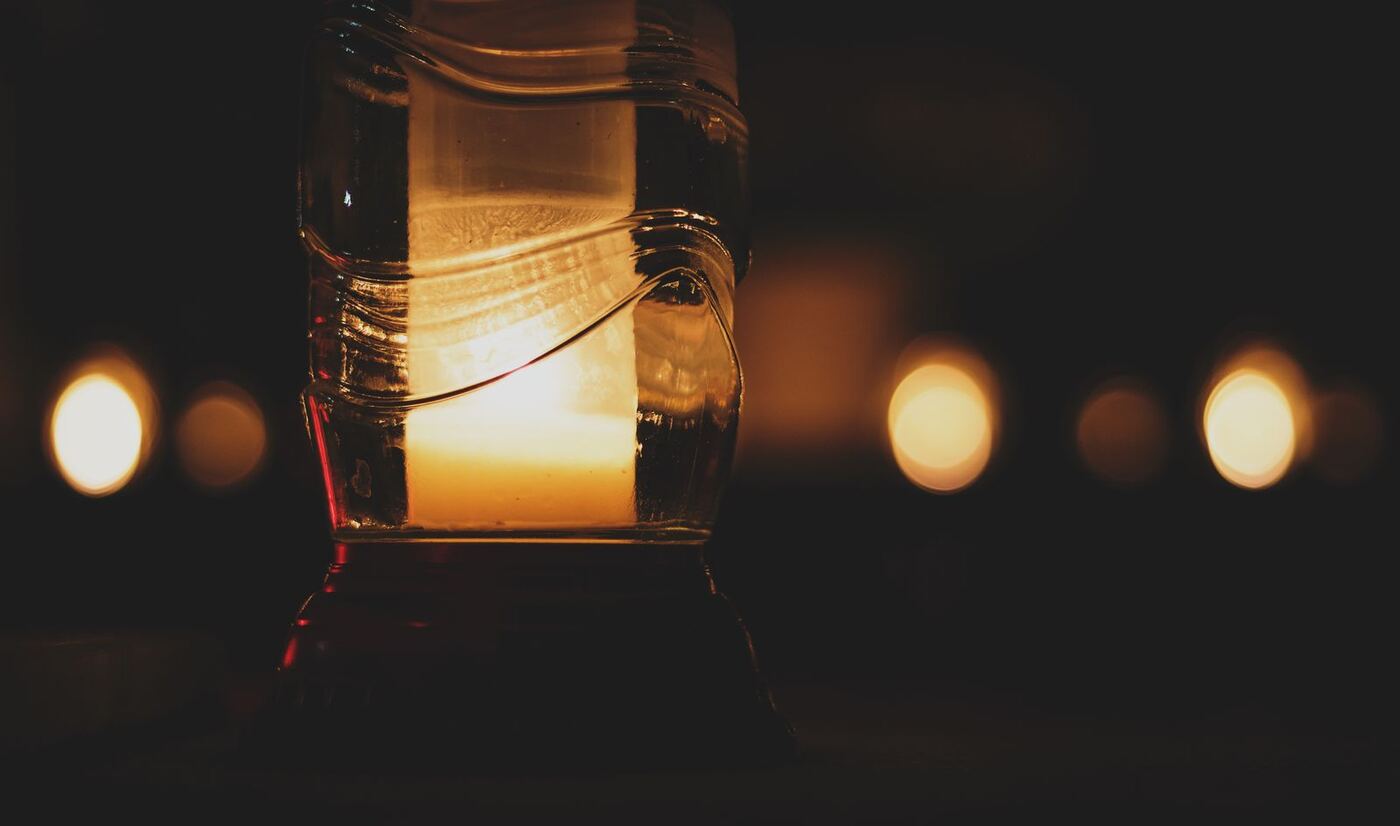
- A candle on the day they died or on a hard day.
- A good deed done in their name.
- Telling stories of the person they were.
Ask the Rabbi about lighting a yahrzeit candle and keeping the date each year.
A Jewish relative in a mixed family
If you are a Jewish person with a non-Jewish parent, spouse or child, you may also want to know about burial. See Jewish burial in an interfaith family. The Rabbi will answer with care for everyone who is grieving.
In Lamorinda: A parent has died and you are Jewish by choice, or from a mixed family? Call Rabbi Yisroel Labkowski at 925-384-7242 or Rebbetzin Tzipora Labkowski at 925-384-7241. We will listen.
Common questions
Does a convert sit shiva for a non-Jewish parent?
Not as a requirement. Some of the customs of shiva may be kept. Ask the Rabbi (925-384-7242) what is right for you.
Can I say Kaddish for my non-Jewish mother?
Some opinions allow it, and it is not required. Psalms and Torah study in her honor are suggested as another way. Ask the Rabbi.
Can I light a yahrzeit candle for my father who was not Jewish?
Please ask the Rabbi. He will help you find the right way to remember your father.
Can I attend my parent's funeral if it is held in another faith?
Please call the Rabbi first. He will guide you, with respect for your parent.
Take the next step
- Call Rabbi Labkowski at 925-384-7242, or Rebbetzin Labkowski at 925-384-7241.
- Read next: Jewish burial in an interfaith family.
- Read giving in memory of a loved one.
Step by step · Part 21 of 21
A loved one has died: what to do, step by step
You have reached the end of this series.
All 21 parts
- A Loved One Has Died: What to Do, Step by Step
- Someone Died at Home: What to Do Right Now (Jewish Guide)
- A Death in the Hospital or Hospice: Jewish Steps for the Family
- A Sudden or Unexpected Death: Police, Coroner and Jewish Burial
- A Death on Shabbat or a Jewish Holiday: What to Do
- The First Day After a Death: Calls, Family and Paperwork
- Jewish Funeral Planning Checklist: Every Decision, in Order
- When Family Is Far Away: Travel, Timing and Burial Out of State
- The Day Before a Jewish Funeral: What the Family Prepares
- Order of a Jewish Funeral Service, Step by Step
- At the Graveside: Burial, Filling the Grave and the Lines of Comfort
- After the Cemetery: Washing Hands, the First Meal and Shiva
- Shiva Day by Day: A Practical Guide to the Seven Days
- Prayers at a Shiva House: Minyan, Kaddish and Torah Reading
- What Mourners May and May Not Do: Jewish Mourning Laws by Stage
- How to Pay a Shiva Call: What to Do, Say and Bring
- After Shiva: What to Do in the 30 Days and the Year After
- The First Year After a Death: A Jewish Calendar, Month by Month
- My Loved One Asked to Be Cremated: What a Jewish Family Can Do
- Stillbirth or the Death of a Newborn: Jewish Burial and Comfort
- Mourning a Non-Jewish Parent: A Guide for Converts and Their Families
Questions about this, or something on your mind? Message the Rabbi or the Rebbetzin privately, or call 925-384-7242. · Email
Read next
 Jewish Burial in an Interfaith or Mixed Family: What to Know and Whom to CallCan a Jew in an interfaith family have a Jewish burial? Who can be buried in a Jewish cemetery? Call Rabbi Labkowski: 925-384-7242.Read next →