
Learn › Shabbat & holidays › The Omer, Lag BaOmer and Shavuot
Pesach Sheni: The Second Passover and Second Chances
What Pesach Sheni, the Second Passover on 14 Iyar, is, its story in the Torah, the custom of eating matzah, and its lesson that it is never too late.
On this page · 2 min read
The story in the TorahWhat makes it specialThe lesson: it is never too lateHow Pesach Sheni is marked todayWhen it fallsPesach Sheni, the "Second Passover," falls on the 14th of Iyar, exactly one month after the day before Passover. In Temple times it was a second chance to bring the Passover offering for those who missed it, and today it carries a timeless message: it is never too late to make things right.
The story in the Torah
In the second year after the Exodus, the Jewish people prepared to bring the Passover offering in the desert. But a group of men had become ritually impure through caring for the dead, and they were not allowed to take part. They came to Moses and Aaron and asked: "Why should we be left out?" (Numbers 9:7).
Moses did not have an answer, so he asked G-d. G-d replied with a new mitzvah: anyone who was impure or on a distant journey on Passover could bring the offering one month later, on the 14th of Iyar, and eat it that night with matzah and bitter herbs.
What makes it special
Almost every mitzvah in the Torah was commanded by G-d directly. Pesach Sheni came about because ordinary Jews cared so deeply about a mitzvah that they refused to accept missing it. Their sincere request brought a new law into the Torah.
The lesson: it is never too late
The Previous Lubavitcher Rebbe taught that the message of Pesach Sheni is that "nothing is ever lost." Even if a person was "impure" or "far away," spiritually speaking, they can always make up for it. This is the heart of teshuvah: no matter where you are, you can return, and G-d gives a second chance.
The Rebbe often emphasized that the people asking for Pesach Sheni were not passive. They demanded, "Why should we be left out?" In the same way, every Jew can and should ask for more connection, more holiness, and the coming of Moshiach.
How Pesach Sheni is marked today
Since there is no Temple, there is no Passover offering. But there are customs:
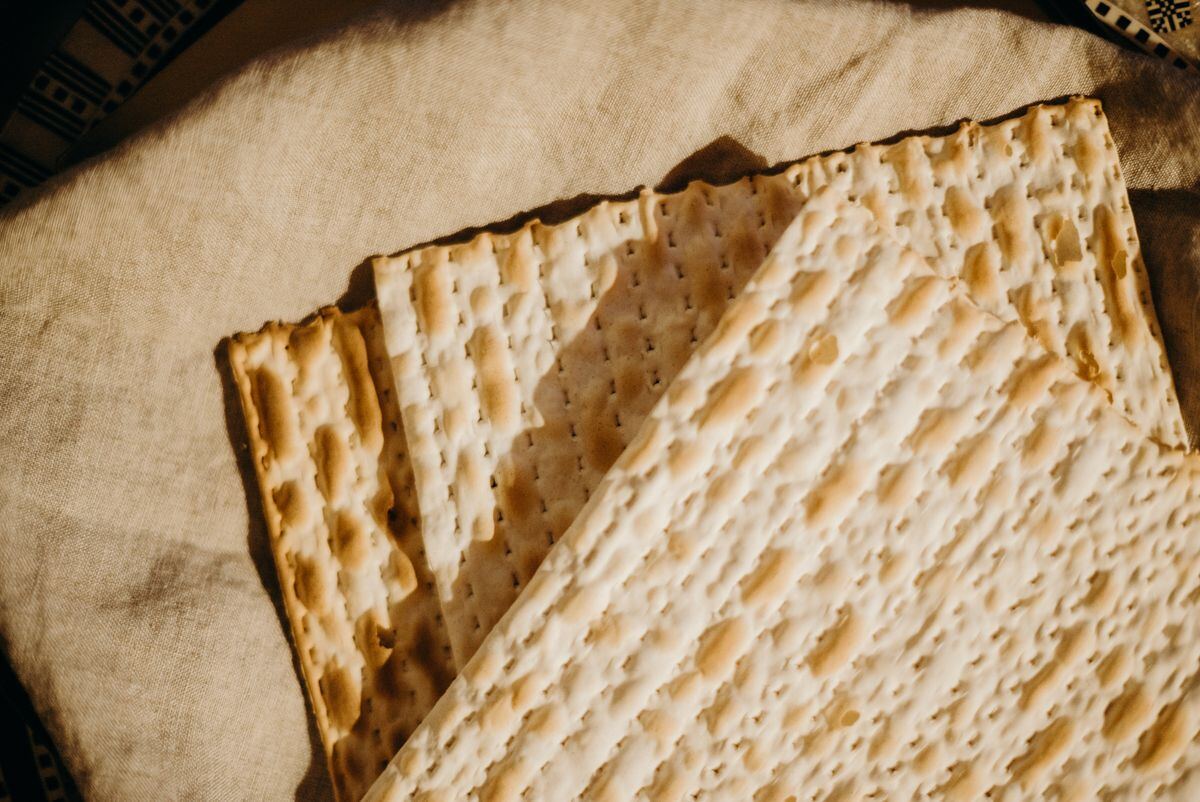
- Eat matzah. Many have the custom to eat matzah on Pesach Sheni, the 14th of Iyar, often shmurah matzah saved from Passover.
- Skip Tachanun. The prayer of supplication called Tachanun is not said in the daily prayers.
- Reflect. Think about something you missed or wish you had done better, and take one step toward it.
Chametz is permitted on Pesach Sheni. Unlike Passover, there is no need to remove bread from your home.
When it falls
Pesach Sheni is on the 14th of Iyar, during the counting of the Omer, four days before Lag BaOmer. Check the exact date each year with our Hebrew date tool or the Jewish calendar guide.
In Lamorinda: Questions about Pesach Sheni? Call Chabad of Lamorinda at 925-384-7242, and find this year's date at jewishlamorinda.com/tools/hebrew-date.
Common questions
Do I need to eat matzah on Pesach Sheni?
It is a custom, not an obligation. Many eat a piece of matzah during the day as a way of remembering the Second Passover. Some also eat it on the evening that follows.
Can I eat bread on Pesach Sheni?
Yes. The prohibition of chametz applies only to Passover itself. On Pesach Sheni, bread and matzah can be on the same table.
Is Pesach Sheni a holiday?
It is a minor festive day. There is no work restriction and no special prayer service, but Tachanun is omitted and it is a time for joy and renewal.
What if I missed Passover entirely this year?
Pesach Sheni is a beautiful reminder that it is never too late. Use the day to eat matzah, learn about Passover, and take on a mitzvah. Next Passover, join us for a seder.
Questions about this, or something on your mind? Message the Rabbi or the Rebbetzin privately, or call 925-384-7242. · Email
Read next
 Counting the Omer: How to Count the 49 Days From Passover to ShavuotWhat Sefirat HaOmer is, how and when to count each night, the blessing, what to do if you forget, and the mourning customs of the Omer period.Read next →