
Learn › Kosher › Meat, dairy, wine and drinks: food by food
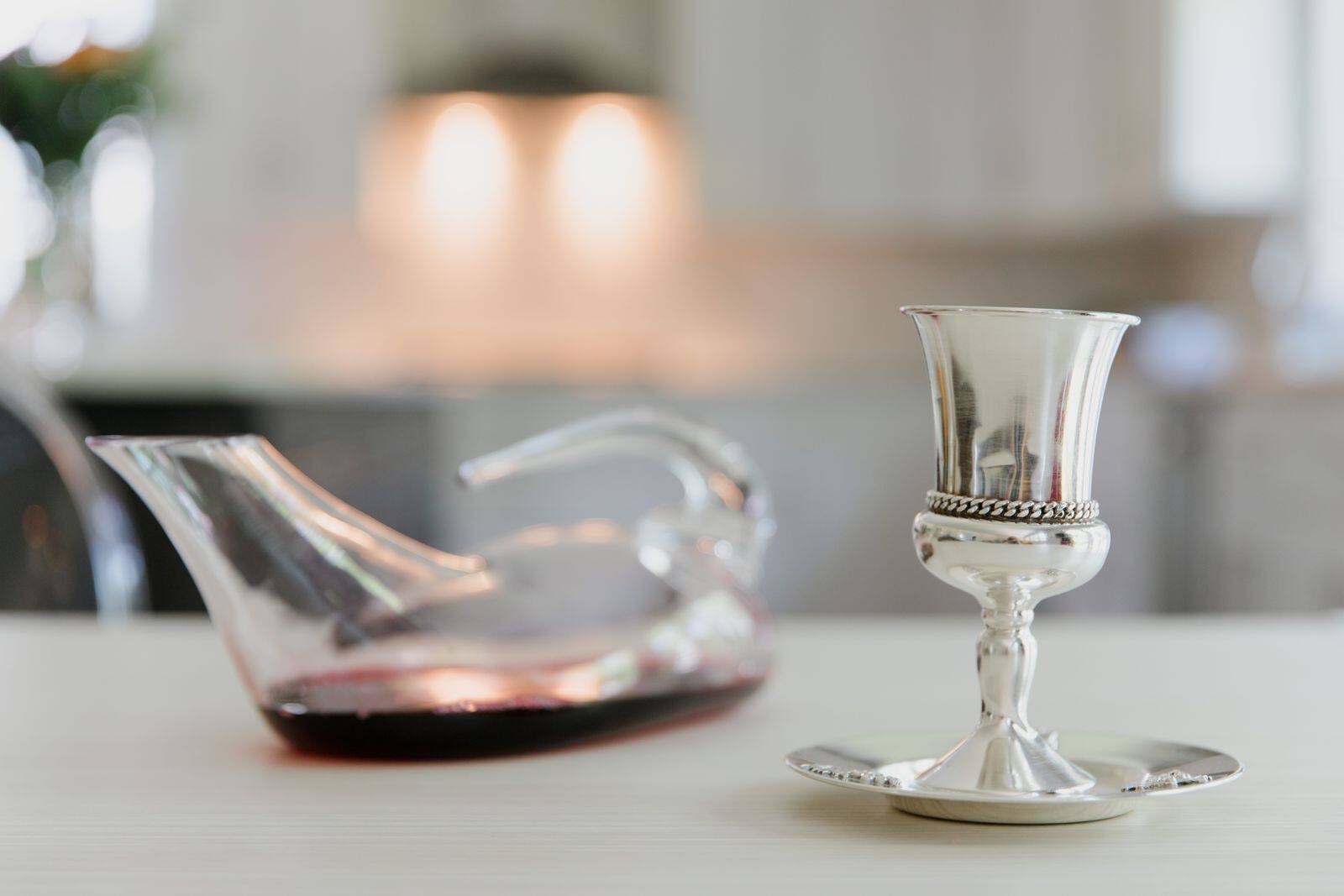
Kosher Wine: What Makes Wine Kosher and What Mevushal Means
Why wine has special kosher rules, what mevushal means, which drinks need certification, and how to choose kosher wine for Shabbat and holidays.
Part 15 of 25 · Keeping kosher, step by step
On this page · 2 min read
Why wine is specialWhat makes wine kosherWhat mevushal meansOther grape products and drinksChoosing kosher wineKosher wine is wine made from start to finish under Jewish supervision, using only kosher ingredients, and handled by Shabbat-observant Jews from the time the grapes are crushed. Because wine has such an important role in Jewish life, it has special rules beyond those for other foods.
Why wine is special
Wine is used for many mitzvot: Kiddush on Shabbat and holidays, Havdalah, the four cups at the Passover Seder, and the blessings at a wedding and a bris. It has its own blessing, borei pri hagafen, "who creates the fruit of the vine."
In ancient times wine was also used in idol worship. To keep Jews far from this and to protect Jewish community life, the Sages ruled that wine and grape juice touched or handled by non-Jews, or by Jews who do not keep Shabbat, may not be drunk. This is why kosher wine needs extra care.
What makes wine kosher
- Kosher ingredients. Yeasts, fining agents and other additives must be kosher. Some non-kosher wines are clarified with animal products.
- Kosher equipment. All winery equipment is kosher or properly koshered.
- Shabbat-observant handling. From crushing until the bottle is sealed, the wine is handled only by Shabbat-observant Jews.
- Israel-specific laws. Wine from Israel also needs the agricultural laws of the Land, such as separating tithes, to be observed.
What mevushal means
Mevushal means "cooked." Mevushal wine has been heated (today usually by flash pasteurization) before bottling. According to Jewish law, cooked wine is no longer subject to the rule about being handled by others. This makes mevushal wine practical for restaurants, caterers and events where non-Jewish waiters pour the wine.
Non-mevushal wine is just as kosher. The difference only matters for who may open and pour it after the bottle is opened. Look for the word "mevushal" on the label.
Other grape products and drinks
- Grape juice follows the same rules as wine and needs certification.
- Products with grape ingredients, such as some jams, vinegars, sodas and candies, need reliable certification.
- Beer and most spirits have fewer issues, but flavored drinks, liqueurs and whiskies aged in wine casks can be a problem. Look for a kosher symbol or ask.
Choosing kosher wine
Kosher wine today ranges from simple sweet Kiddush wine to award-winning dry wines from Israel, California, France and beyond. Check that the label has a reliable certification. For Kiddush, any kosher wine or grape juice works.
In Lamorinda: Need help choosing kosher wine for Kiddush or a simcha? Call Rabbi Labkowski at 925-384-7242 and we will gladly advise.
Common questions
Is all Israeli wine kosher?
No. Many Israeli wineries are kosher, but not all. Always check for a reliable certification on the label.
Can a non-Jewish guest pour kosher wine at my table?
If the wine is mevushal, yes. If it is not mevushal, it is better that a Shabbat-observant Jew opens and pours it. Ask the Rabbi about your situation.
Can I use grape juice for Kiddush?
Yes. Kosher grape juice may be used for Kiddush and the blessing is the same, borei pri hagafen. Many families use it for children or anyone who does not drink alcohol.
Does mevushal wine taste different?
Modern flash pasteurization is very quick, and many people cannot tell the difference. Wine lovers may notice a slight change in some styles.
Step by step · Part 15 of 25
Keeping kosher, step by step
NextAre Beer, Whiskey and Liquor Kosher? A Simple GuideIs beer kosher? Is whiskey kosher? A simple guide to beer, vodka, whiskey, brandy and liqueurs, the blessing, and Passover. Ask Chabad of Lamorinda.All 25 parts
- What Is Kosher? A Simple Guide to Jewish Dietary Laws
- Kosher Symbols: How to Read Kosher Labels and Hechshers
- Kosher Certification: How OU, OK, Star-K and Others Work
- Is It Kosher? Gelatin, Rennet, Carmine and Other Hidden Ingredients
- Meat and Milk in Jewish Law: How Long to Wait and Why
- What Does Pareve Mean? Neutral Foods in a Kosher Kitchen
- Is Vegan Food Kosher? Vegetarian and Plant-Based Eating and Kashrut
- How to Make Your Kitchen Kosher: A Step-by-Step Guide
- Kosher Oven and Microwave: Meat, Dairy, Covering and Kashering
- Kosher Meat: What Makes Meat and Poultry Kosher
- What Is Kosher Salt? Why It Is Called Kosher and Whether Regular Salt Is Kosher
- Kosher Fish: Fins and Scales, Is Shrimp Kosher, and Buying Fish
- Chalav Yisrael: What Cholov Yisroel Milk Means
- Is Cheese Kosher? Rennet, Supervision and Chalav Yisrael
- Kosher Wine: What Makes Wine Kosher and What Mevushal Means
- Are Beer, Whiskey and Liquor Kosher? A Simple Guide
- Pas Yisrael and Bishul Yisrael: Bread and Cooking by a Jew
- Tevilat Kelim: How to Immerse New Dishes and Utensils
- Checking Produce for Insects: A Kosher Guide
- Kosher Eggs: Blood Spots, Checking Eggs and Why Eggs Are Pareve
- Keeping Kosher on a Budget: Practical Tips That Work
- Keeping Kosher One Step at a Time: A Gentle Plan for Beginners
- Keeping Kosher When Your Family Doesn't
- Eating Out While Keeping Kosher
- Keeping Kosher When Traveling: Practical Tips
Questions about this, or something on your mind? Message the Rabbi or the Rebbetzin privately, or call 925-384-7242. · Email
Read next
 Kiddush: How to Make Kiddush on Shabbat and HolidaysWhat Kiddush is, how to say it over wine on Friday night and Shabbat day, the blessing in English, and what to do if you do not drink wine.Read next →