
Learn › Jewish ideas › Israel and Jerusalem
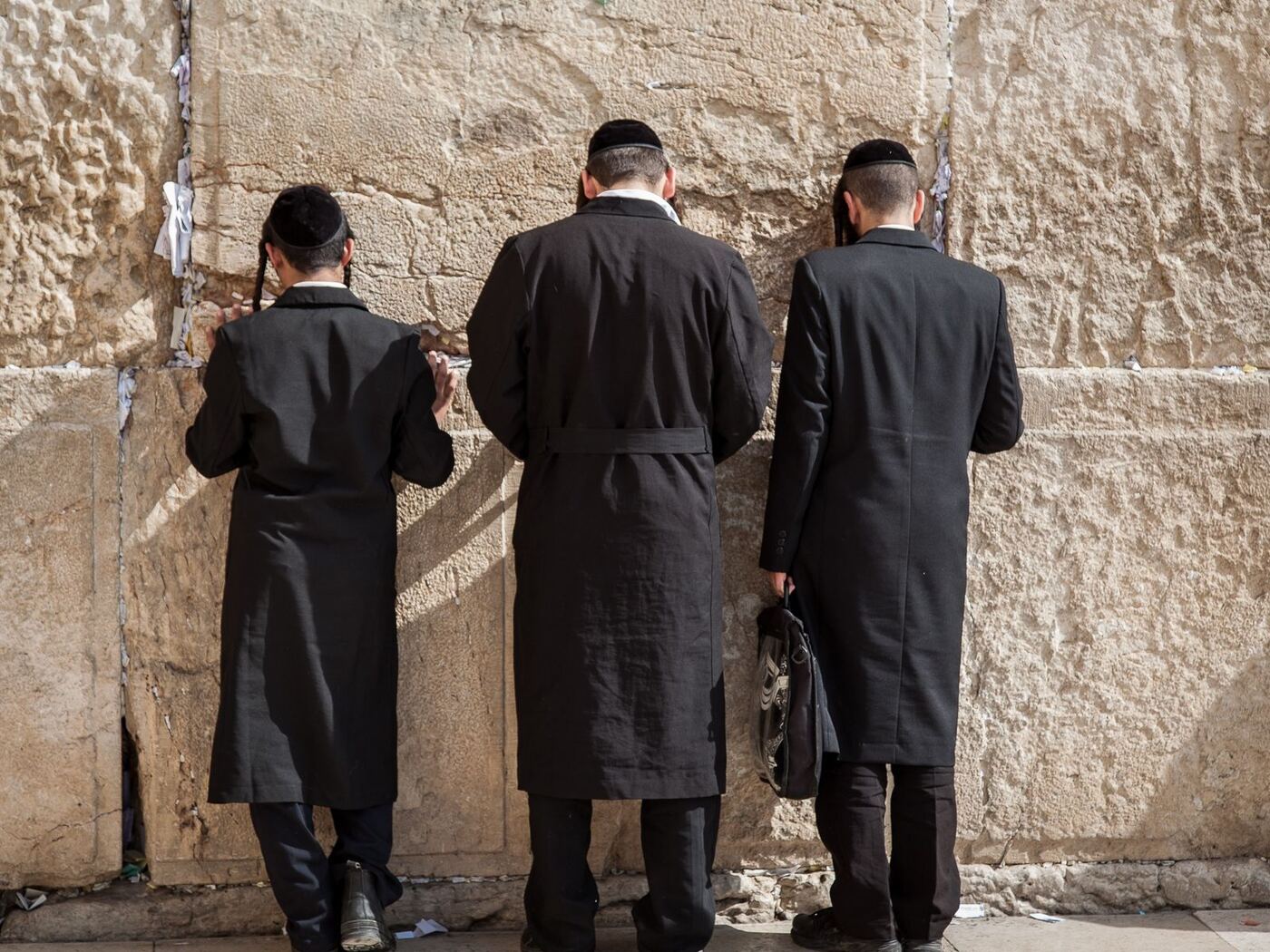
Jerusalem in Judaism: Why It Is the Holy City
Why Jerusalem is the holiest city in Judaism, its history from King David to the Temples, and how Jews remember Jerusalem every day.
On this page · 2 min read
The holy cityA short historyHow Jews remember Jerusalem every dayJerusalem of the futureJerusalem is the holiest city in Judaism because it is the place G-d chose for the Holy Temple, the spiritual center of the Jewish people. For more than three thousand years, Jews have prayed toward Jerusalem, mourned its destruction and longed for its rebuilding.
The holy city
In Hebrew, Jerusalem is Yerushalayim. The Torah speaks of "the place that G-d will choose," and Jewish tradition identifies it as Mount Moriah, where Abraham brought Isaac to be bound. The Sages call it the place from which the world was created and the gateway between heaven and earth.
A short history
- King David made Jerusalem his capital about three thousand years ago and brought the Ark of the Covenant there.
- King Solomon, his son, built the First Temple on Mount Moriah.
- The First Temple was destroyed by the Babylonians, and the people were exiled.
- The Second Temple was built when Jews returned, and stood until the Romans destroyed it in 70 CE.
- Through the exile, Jewish communities lived in Jerusalem whenever they could, and Jews everywhere kept the city at the center of their prayers.
Learn more in our guide to the Holy Temple.
How Jews remember Jerusalem every day
Jerusalem is woven into Jewish life:
- Facing Jerusalem in prayer. Jews around the world face toward Jerusalem for the Amidah. In Jerusalem, they face the Temple Mount.
- In our prayers. The Amidah includes a blessing for rebuilding Jerusalem, and so does Birkat Hamazon, the grace after meals.
- At weddings. A glass is broken under the chuppah, and many say the verse "If I forget you, O Jerusalem, let my right hand forget its skill" (Psalm 137).
- At the seder and on Yom Kippur. Both end with the words "Next year in Jerusalem!"
- In comfort. Mourners are comforted "among the mourners of Zion and Jerusalem."
- In mourning. The Three Weeks and Tisha B'Av recall the destruction of the city and Temple.
- In a home. Some leave a small square of wall unpainted near the entrance as a reminder of the destruction.
Jerusalem of the future
The prophets describe a rebuilt Jerusalem, a city of peace where all nations will come to learn G-d's ways. Jewish belief holds that in the time of Moshiach, the Third Temple will stand in Jerusalem and the Jewish people will be gathered home. The very name Yerushalayim is often explained as containing the word shalem, "complete" or "whole," and shalom, "peace."
In Lamorinda: Learn more about Jerusalem and Jewish history in Chabad of Lamorinda's classes at jewishlamorinda.com/programs/adult-education, or call 925-384-7242.
Common questions
Why do Jews pray facing Jerusalem?
The Talmud teaches that prayers rise to heaven through Jerusalem and the place of the Temple. In America, that usually means facing east. If you are unsure of the direction, focus your heart on Jerusalem; that is what matters most.
What does "Next year in Jerusalem" mean?
It expresses our hope for the coming of Moshiach and the rebuilding of the Temple, when all Jews will gather in a rebuilt Jerusalem. It is said at the end of the Passover seder and at the close of Yom Kippur.
How many times is Jerusalem mentioned in the Bible?
Jerusalem, also called Zion, is mentioned hundreds of times in the Hebrew Bible, more than almost any other place. It is not named directly in the Five Books of Moses, which call it "the place G-d will choose."
Is there a mitzvah to visit Jerusalem?
In Temple times, there was a mitzvah to go up to Jerusalem on Passover, Shavuot and Sukkot. Today, visiting Jerusalem and praying at the Western Wall is a deep and moving experience for many Jews.
Questions about this, or something on your mind? Message the Rabbi or the Rebbetzin privately, or call 925-384-7242. · Email
Read next
 The Holy Temple in Jerusalem (Beit HaMikdash)What the Holy Temple was, the First and Second Temples, why they were destroyed, how we remember them today, and the Third Temple.Read next →