
Learn › Shabbat & holidays › Sukkot and Simchat Torah
Hoshana Rabbah: The Seventh Day of Sukkot Explained
What Hoshana Rabbah is, why it is the final day of judgment, the willow branch custom, the night of learning, and how to observe it.
On this page · 2 min read
What is Hoshana Rabbah?Why it is a day of judgmentHow Hoshana Rabbah is observedA festive mealWhat comes nextHoshana Rabbah is the seventh and final day of Sukkot, when the judgment that began on Rosh Hashanah is sealed for the final time. It is a joyful festival day with special prayers, seven circuits around the synagogue, and the custom of beating willow branches.
What is Hoshana Rabbah?
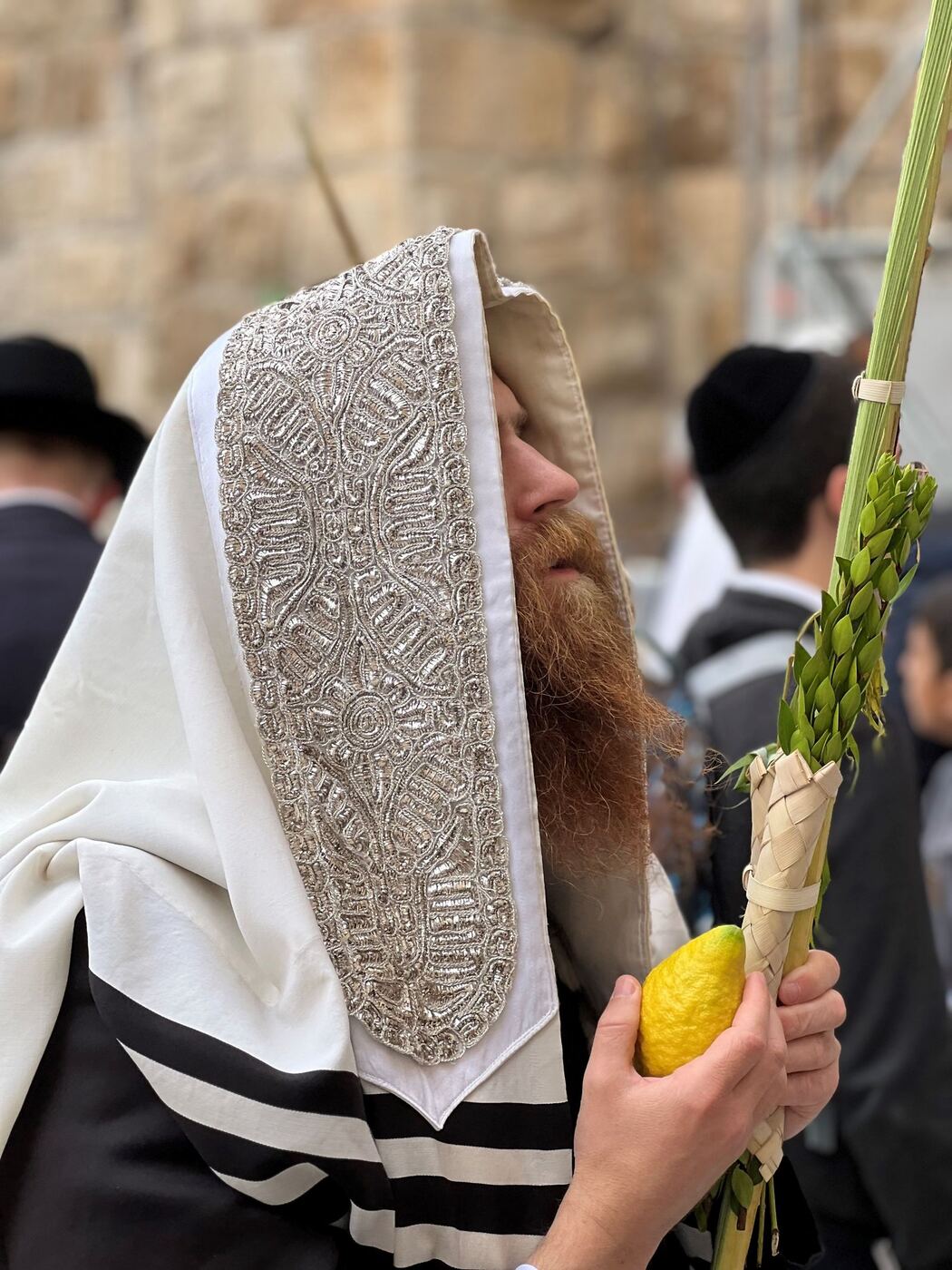
The name means "the great Hoshana," after the Hoshana prayers that ask G-d to "save us, please." On every day of Sukkot, these prayers are said while circling the bimah (the Torah reading table) once, holding the Four Kinds. On Hoshana Rabbah we circle it seven times.
Hoshana Rabbah is a weekday of the intermediate days of Sukkot (Chol Hamoed), so the Yom Tov prohibitions do not apply (the Chol Hamoed rules about work still do; ask the Rabbi). Yet it has a special solemnity mixed with joy.
Why it is a day of judgment
The Zohar teaches that while our judgment for the year is sealed on Yom Kippur, the decrees are sent out only on Hoshana Rabbah. The Talmud also teaches that on Sukkot the world is judged for water and rain. So Hoshana Rabbah is a final chance to pray for a good year.
This is why many people wish each other "a gut kvittel," Yiddish for "a good note," meaning a good final verdict.
How Hoshana Rabbah is observed
The night before: learning
Many stay awake the night before Hoshana Rabbah to recite the entire book of Deuteronomy and then the whole book of Tehillim (Psalms). In Chabad communities, Tehillim is said together after midnight, and it is customary to give out apples dipped in honey afterward.
Morning prayers
- The morning service has some features of the High Holidays, and many wear holiday clothes.
- Seven circuits (hakafot) are made around the bimah with the Four Kinds, while saying the Hoshana prayers.
- Many synagogues take all the Torah scrolls out and hold them at the bimah during the circuits.
The willow branches
After the circuits, each person takes a bundle of five willow branches (the hoshanot) and beats them on the ground five times. This custom goes back to the prophets. It symbolizes sweetening harsh judgments and is a sign of humility, since the willow has no taste or scent.
Afterward, many keep the willows and use them to help burn the chametz before Passover.
A festive meal
It is customary to eat a festive meal in the sukkah on Hoshana Rabbah, often including kreplach, dumplings that are also eaten on the eve of Yom Kippur.
What comes next
Hoshana Rabbah leads straight into Shemini Atzeret and Simchat Torah, when we dance with the Torah. Outside Israel these are two days; in Israel they are one.
In Lamorinda: Celebrate Sukkot, Shemini Atzeret and Simchat Torah with us. See jewishlamorinda.com/holidays/sukkot or call 925-384-7242.
Common questions
Is Hoshana Rabbah a full holiday?
No. It is part of Chol Hamoed, the intermediate days of Sukkot, so driving and phones are permitted, though the Chol Hamoed rules about work still apply. Still, it is a special day, and many take time off to pray and celebrate.
Where do I get willows for Hoshana Rabbah?
Hoshanot are usually sold or given out in synagogue, often tied in bundles of five. They are separate from the two willows in your lulav set.
What if I cannot get to synagogue?
You can still say the Hoshana prayers from a prayer book, shake the Four Kinds, and beat a bundle of willows at home. Contact us if you need help.
Why do people say "a gut kvittel"?
It is a traditional greeting meaning "a good note," a wish that the final verdict of the year, sent out on Hoshana Rabbah, should be for a good and sweet year.
Questions about this, or something on your mind? Message the Rabbi or the Rebbetzin privately, or call 925-384-7242. · Email
Read next
 Lulav and Etrog: How to Shake the Four Kinds on SukkotWhat the lulav, etrog, hadassim and aravot are, what they mean, how to hold and shake them step by step, and the blessing to say on Sukkot.Read next →