
Learn › Shabbat & holidays › Sukkot and Simchat Torah
Shemini Atzeret: The Eighth Day, Yizkor and the Prayer for Rain
What Shemini Atzeret is, why it comes after Sukkot, the prayer for rain, Yizkor, and the Chabad custom of eating in the sukkah without a blessing.
On this page · 3 min read
A holiday of its ownThe prayer for rainYizkorThe sukkah on Shemini AtzeretWhat the day feels likeTake the next stepShemini Atzeret means "the eighth day of assembly." It is a holiday of its own that comes right after the seven days of Sukkot. On it we pray for rain, recite Yizkor in memory of loved ones, and spend one more intimate day with G-d before the long winter begins.
A holiday of its own
Shemini Atzeret is not the last day of Sukkot, even though it follows it. We do not take the lulav and etrog on it, and the Torah gives it its own character. Rashi explains it with a parable: a king invites his children for a feast, and when the time comes to leave, he says, "Stay one more day, it is hard for me to part from you." After the seven days of Sukkot, with all their crowds and mitzvahs, Shemini Atzeret is the quiet, private day with the King. Outside Israel it is two days, and the second is Simchat Torah. In Israel they are one day.
The prayer for rain
Before the additional service, we ask G-d for rain with a special prayer called Geshem, sung to a melody like the High Holiday one. From this day we add "Mashiv haruach u'morid hageshem" ("He makes the wind blow and the rain fall") to the Amidah until Passover. Asking for rain begins here in praise, and the actual request comes later in the fall. For Californians who watch every winter storm, this prayer is close to home. See prayers for rain.
Yizkor
Yizkor, the memorial prayer for those who have passed away, is said on Shemini Atzeret, as on Yom Kippur and the last days of Passover and Shavuot. Even if you are not sure of the custom, you are welcome in the room. Giving charity in memory of a loved one is part of Yizkor. Read more about Yizkor and our Yizkor sign-up.
The sukkah on Shemini Atzeret
This is a custom people often ask about. Chabad custom is to eat the meals in the sukkah on Shemini Atzeret, but without saying the blessing for sitting in the sukkah, because the mitzvah of the sukkah has ended. On Simchat Torah, the next day, Chabad does not eat in the sukkah. Other communities have different customs, and details can depend on the weather and your household, so please ask the Rabbi. See the sukkah.
What the day feels like
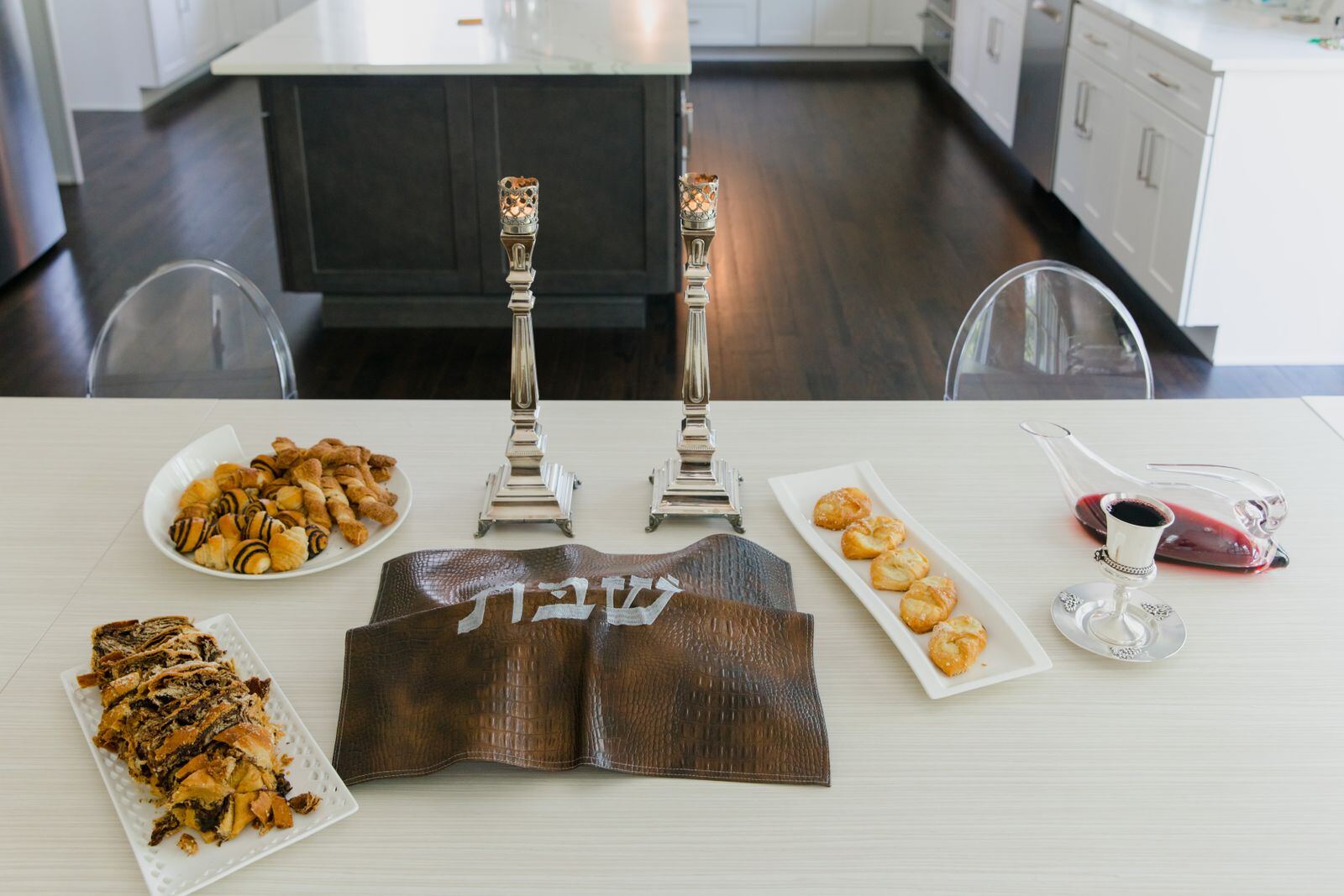
Candles are lit before the holiday begins, and there is a festive meal at night and in the day, as on any holiday. The challah is dipped in salt; the honey of the earlier holidays is no longer used. Many communities, including Chabad, begin the singing and dancing of hakafot on the evening of Shemini Atzeret already, which is a taste of what comes next. See hakafot.
Take the next step
- Come for Yizkor and the prayer for rain. Call Rabbi Labkowski at 925-384-7242 to hear what is planned.
- Read on to Simchat Torah for beginners, the day of dancing.
- See the holiday page for this year's schedule.
In Lamorinda: Join us for Yizkor and the prayer for rain on Shemini Atzeret; everyone from Lafayette, Moraga and Orinda is welcome. Call Rabbi Labkowski at 925-384-7242 to hear what is planned.
Common questions
What is Shemini Atzeret?
It is a Jewish holiday that follows Sukkot, on which we pray for rain, say Yizkor and enjoy one more festive day with G-d. The name means "the eighth day of assembly."
Is Shemini Atzeret part of Sukkot?
It follows Sukkot but is a separate holiday. We do not take the four kinds, and we do not say the sukkah blessing.
Do you eat in the sukkah on Shemini Atzeret?
In Chabad custom, yes, without the blessing, and not on Simchat Torah. Other communities differ, so ask the Rabbi.
When do we start praying for rain?
We begin mentioning rain in the Amidah on Shemini Atzeret ("Mashiv haruach"). Outside Israel the request for rain itself starts in December.
Is Yizkor said on Shemini Atzeret?
Yes. Yizkor is recited four times a year, including Shemini Atzeret, by those who have lost a parent or loved one. You are welcome to stay in the room.
What is the difference between Shemini Atzeret and Simchat Torah?
Shemini Atzeret is the first day, with rain and Yizkor. Simchat Torah, the second day outside Israel, is the day of dancing with the Torah.
Questions about this, or something on your mind? Message the Rabbi or the Rebbetzin privately, or call 925-384-7242. · Email
Read next
 Simchat Torah for Beginners: Dancing, Hakafot and FlagsNew to Simchat Torah? What the holiday is, how hakafot work, why we dance with a closed Torah, and what to expect for kids, flags and candy.Read next →