
Learn › Life cycle › Children and Jewish education
Hands-On Jewish Learning: Why Kids Learn Best by Doing (and Ideas to Try)
Children learn Judaism best by doing: baking, building, singing, playing and celebrating. Why hands-on learning works, with easy ideas for home.
Part 8 of 13 · Jewish learning for children, step by step
On this page · 2 min read
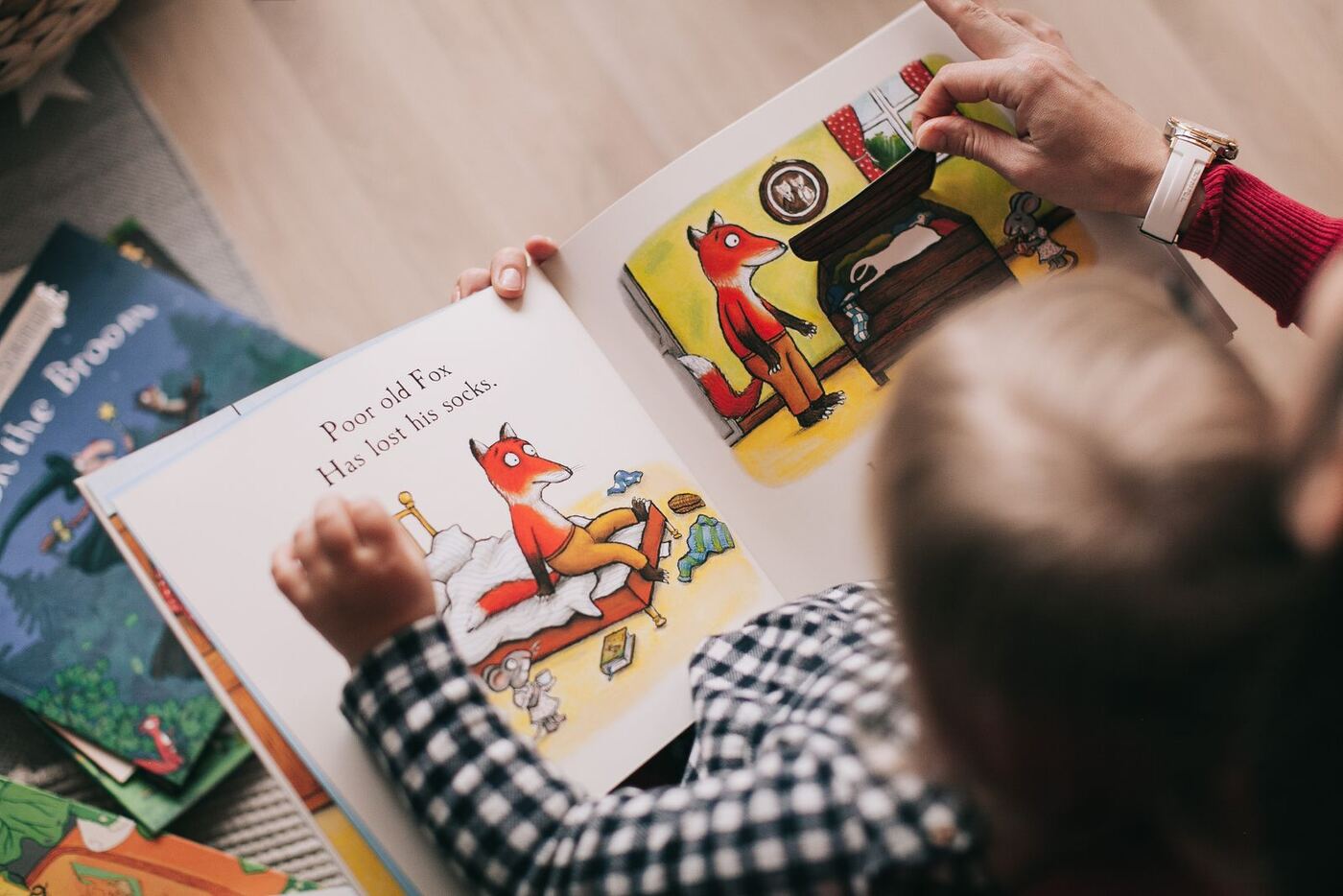
"The main thing is the doing"Why hands-on worksIdeas to try at homeHands-on learning at Lamorinda Hebrew SchoolChildren learn Judaism best by doing. When a child braids challah, builds a sukkah model, sings a blessing, acts out a Torah story or plays a Hebrew letter game, they use their hands, eyes, ears and voice together, and the lesson becomes a memory. That is why Jewish learning for children should be fun, exciting and hands-on.
"The main thing is the doing"
The sages taught, "Not study but deed is the main thing" (Ethics of the Fathers 1:17). Judaism is a life of mitzvahs, things we do: lighting candles, giving tzedakah, welcoming guests, saying blessings. So it makes sense that children learn it best by doing it.
Jewish tradition has always taught children this way. On Passover, the Seder is a hands-on lesson full of tastes, questions and songs, designed so that children will ask. On Sukkot children help build and decorate the sukkah. On Chanukah they light the menorah and spin the dreidel. The holidays themselves are a hands-on curriculum.
Why hands-on works
- More senses, stronger memories. A child who smells fresh challah and says the blessing remembers it far longer than one who only reads about it.
- Every kind of learner. Some children learn by listening, some by seeing, some by moving. Multisensory lessons reach them all.
- Joy. Children want to come back to what they enjoy, and joy is a Jewish value in itself.
- Confidence. A child who has done a mitzvah can do it again, at home, with family and friends.
Ideas to try at home
Shabbat
- Bake or braid challah together on Friday, even from frozen dough.
- Let your child set the Shabbat table and put a coin in the pushka before candle lighting.
Hebrew letters
- Shape letters from play dough, pipe cleaners or pretzels.
- Hide letter cards around the house and have a letter hunt. See teaching kids the Aleph-Bet.
The weekly Torah portion
- Act out the story with stuffed animals or costumes.
- Draw the week's story and hang it on the fridge. See parsha for kids.
The holidays
- Make a Chanukah craft, a Purim costume or a Passover Seder plate. See Chanukah crafts for kids.
- Let your child be the one who explains the holiday to the family.
Mitzvahs and kindness
- Bake cookies for a neighbor or someone who is sick.
- Pick a tzedakah cause together and fill a pushka. See children, money and tzedakah.
Hands-on learning at Lamorinda Hebrew School
At Lamorinda Hebrew School, lessons are multisensory, with games and creative projects. Children ages 3 to 13 learn Hebrew reading with Aleph Champ, prayer, the weekly Torah portion, Israel, Jewish history, Shabbat, the holidays and Jewish values, on Sundays from 10:00 AM to 12:00 PM at Chabad of Lamorinda, 3477 Golden Gate Way, Lafayette. Families come from Lafayette, Moraga and Orinda. See a Sunday at Lamorinda Hebrew School.
In Lamorinda: Fun, exciting, hands-on Jewish learning for ages 3 to 13: Lamorinda Hebrew School, Sundays 10 to 12 in Lafayette. See /programs/hebrew-school.
Common questions
What does hands-on Jewish learning mean?
Learning by doing: baking, building, singing, playing games, acting out stories and doing mitzvahs, so that children use all their senses and remember what they learn.
Is hands-on learning serious enough?
Yes. Jewish tradition has always taught children through doing, from the Passover Seder to the sukkah. Children who enjoy learning learn more.
I'm not crafty. What can I do at home?
Keep it simple: a blessing before a snack, a coin in the pushka, a question about the parsha at dinner. Doing it together is what counts.
What age is best for hands-on learning?
Every age. Toddlers love songs and touching things; older children love games, challenges and projects.
Where can my child learn this way near Lafayette, Moraga or Orinda?
At Lamorinda Hebrew School, Sundays from 10 AM to 12 PM at Chabad of Lamorinda in Lafayette, for ages 3 to 13. Call 925-384-7241.
Step by step · Part 8 of 13
Jewish learning for children, step by step
NextJewish Values Kids Learn in Hebrew School: Kindness, Honesty, Tzedakah and RespectThe Jewish values children learn in Hebrew school: kindness, honesty, tzedakah, respect, welcoming guests and gratitude, and how to grow them at home.All 13 parts
- The Benefits of Torah Study for Children: Character, Confidence and Belonging
- Our Children Are Our Guarantors: Why Jewish Education Comes First
- Is Hebrew School Worth It? What Children Gain From Jewish Education
- Hebrew School When Your Family Isn't Religious: You Belong Here
- Starting Hebrew School at Any Age: It's Never Too Late (or Too Early)
- A Sunday at Lamorinda Hebrew School: What Your Child Will Learn and Do
- Learning to Read Hebrew With Aleph Champ: How It Works for Your Child
- Hands-On Jewish Learning: Why Kids Learn Best by Doing (and Ideas to Try)
- Jewish Values Kids Learn in Hebrew School: Kindness, Honesty, Tzedakah and Respect
- Jewish Learning at Home With Kids: Ten Minutes a Day That Add Up
- Parsha for Kids: Talking About the Weekly Torah Portion at Your Shabbat Table
- Hebrew School, Public School and Busy Schedules: Making It Work for Your Family
- From Hebrew School to Bar and Bat Mitzvah: How Steady Learning Prepares Your Child
Questions about this, or something on your mind? Message the Rabbi or the Rebbetzin privately, or call 925-384-7242. · Email
Read next
 Jewish Learning at Home With Kids: Ten Minutes a Day That Add UpSimple ways to teach kids Judaism at home in ten minutes a day: Modeh Ani, blessings, parsha at dinner, songs, tzedakah and Shabbat. Start tonight.Read next →