
Learn › Prayer & Torah › Tefillin, tallit, tzitzit and kippah
Buying Tefillin: How to Choose a Kosher Pair
What makes tefillin kosher, why prices vary, gassos and dakos, avoiding fakes, Chabad custom, and how to have your tefillin checked.
Get tefillin or learn how to put them on Rabbi Yisroel Labkowski helps families in Lafayette, Moraga and Orinda order kosher tefillin, check them and learn to put them on. Call 925-384-7242.
On this page · 2 min read
What makes tefillin kosherGassos and dakosWhy prices varyBeware of cheap fakesChabad customCaring for your tefillinA pair of tefillin is one of the most important things a Jewish man will ever own. He wears them almost every weekday of his life. Here is what to look for, so that the tefillin you buy are truly kosher. For what tefillin are and how to wear them, see Tefillin.
What makes tefillin kosher
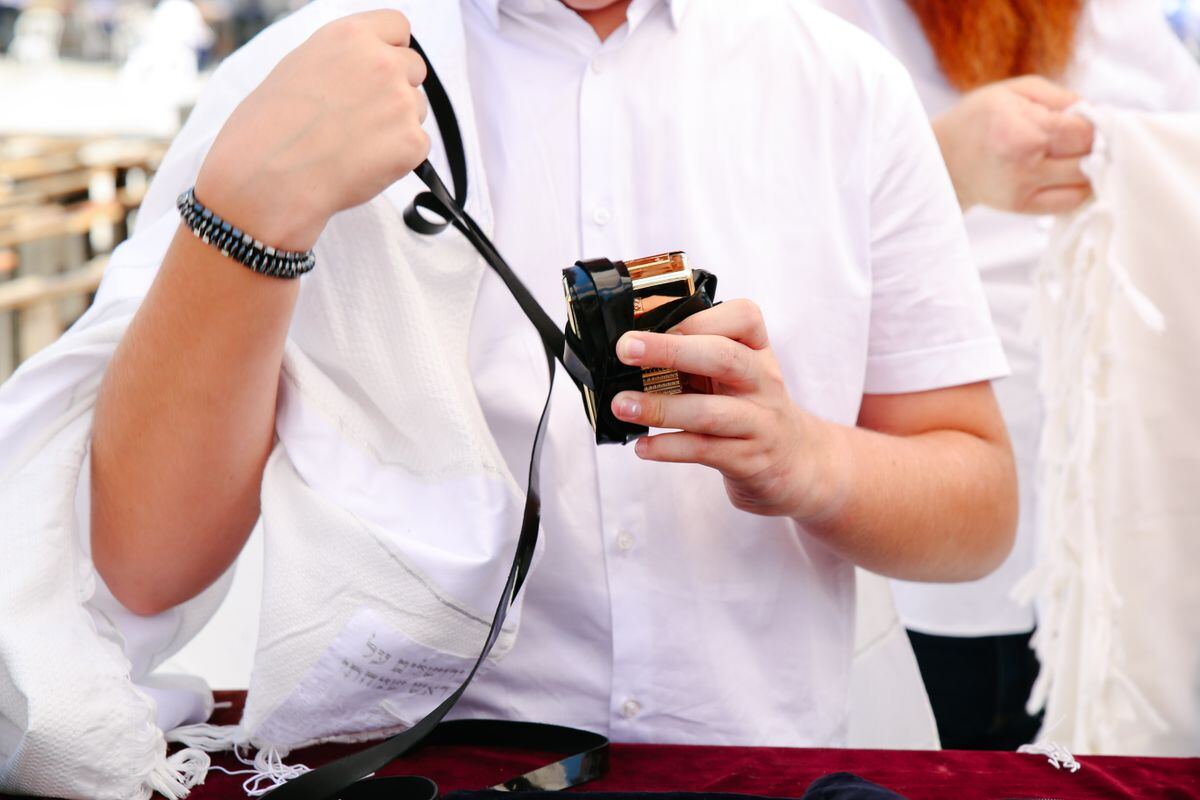
Tefillin are more than leather boxes. What matters most is inside and how it is all made:
- The parchments (parshiyot). Four Torah passages, handwritten by a trained, G-d-fearing scribe (sofer) on parchment with special ink, following many detailed rules. One missing or cracked letter can make them not kosher.
- The boxes (batim). They must be made from animal hide, perfectly square, painted black, with the letter shin formed on the head tefillin.
- The straps (retzuot). Black leather straps of kosher hide, tied in the proper knots.
- Reliable supervision. A trustworthy seller whose scribes and parchments are checked by a second expert, often also by computer for missing letters.
Gassos and dakos
- Gassos (thick) boxes are formed from a single thick piece of hide. They are strong, hold their square shape for many years and are considered the higher standard (mehudar).
- Dakos (thin) boxes are made from thinner leather. They cost less, but they wear out sooner and can lose their shape.
Many authorities recommend gassos when possible, especially for a bar mitzvah boy who will wear them for years. Ask the Rabbi what is right for you.
Why prices vary
The price of tefillin depends on the quality of the scribe's writing, the type of boxes, and how carefully each part is made and checked. A mehudar pair, written beautifully with extra care, costs more. Tefillin are an investment for decades, not a one-time purchase.
Beware of cheap fakes
Unfortunately, some tefillin sold online, in tourist shops or at very low prices are not kosher. They may have printed parchments, plastic boxes or no parchments at all. If a price seems too good to be true, it probably is. Buy only from a reliable source, or ask the Rabbi to order for you.
Chabad custom
There are different customs in the order of the passages inside the tefillin. The standard order, worn by nearly everyone, follows Rashi. Many Chabad men also put on a second pair, according to Rabbeinu Tam, each weekday after the main prayers. Customs differ, and the Rabbi can explain what fits your family's tradition.
Caring for your tefillin
- Keep them in their protective covers and a tefillin bag, away from heat and damp.
- Have them checked by a qualified scribe from time to time, and right away if they get wet or damaged. Many people check them in the month of Elul, before the High Holidays; ask the Rabbi how often for yours.
- If a box cracks, loses its shape or gets wet, have them checked right away.
Common questions
When should we order tefillin for a bar mitzvah?
Several months before. A quality pair can take time to arrive, and the boy needs time to practice putting them on. Many boys begin practicing a month or two before the bar mitzvah; ask the Rabbi about your family's custom.
I have my grandfather's tefillin. Can I use them?
Possibly, and it is a beautiful connection. Old tefillin must first be checked by a scribe, because parchment can fade or crack over the years.
Are tefillin from Israel always kosher?
Not necessarily. Where they come from matters less than who made and checked them.
Can the Rabbi help me?
Yes. Rabbi Labkowski can help you choose and order a kosher pair, have yours checked, and teach you to put them on. Call 925-384-7242.
Read next
 Tefillin: What They Are and How to Put Them OnWhat tefillin are, who wears them and when, step-by-step instructions for putting them on, and the blessing in Hebrew and English.Read next →