
Learn › Mourning & remembrance › Kaddish and the year of mourning
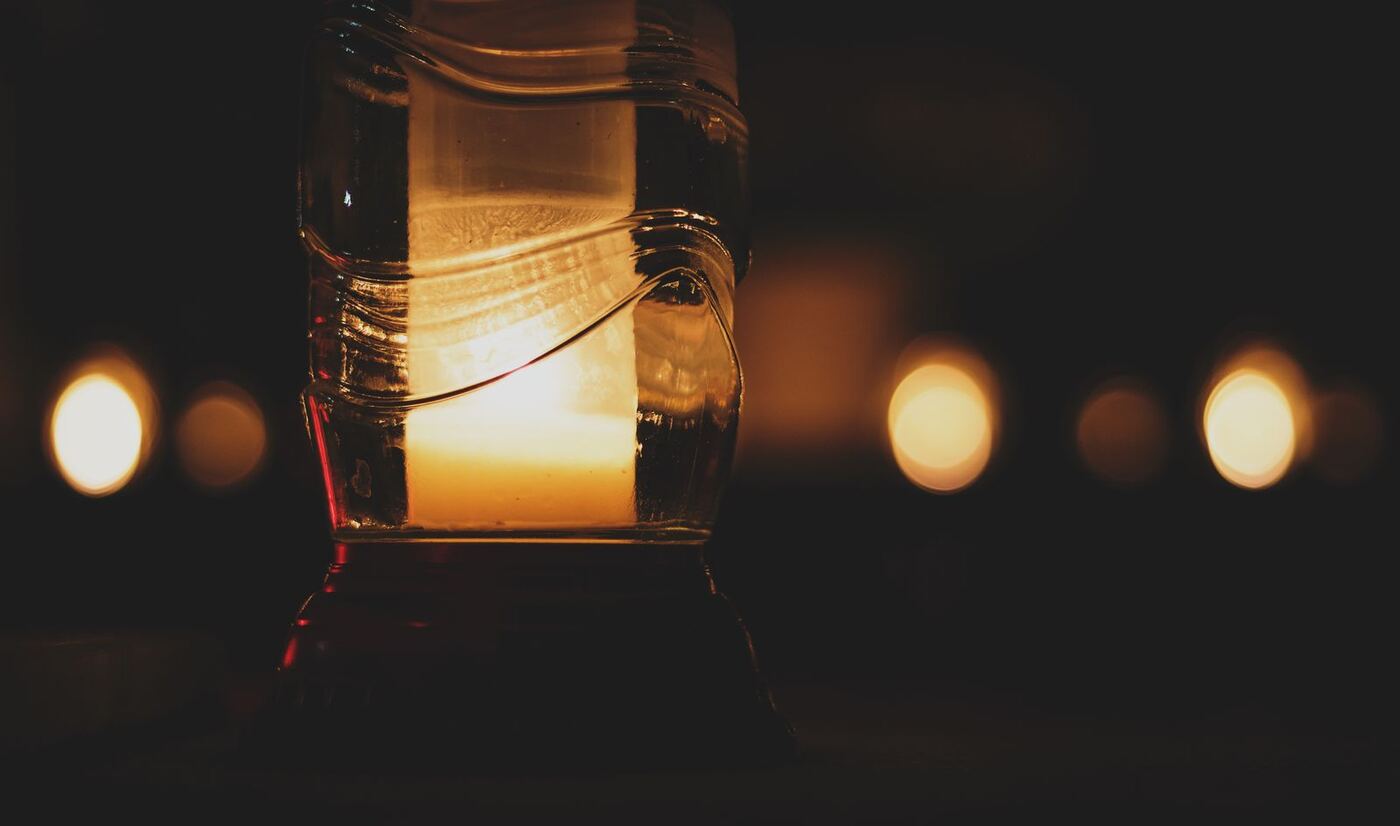
The Jewish Mourning Journey: From Loss to Remembrance, Step by Step
The stages of Jewish mourning, from the passing through the funeral, shiva, sheloshim, the year, the yahrzeit and unveiling, and what helps at each one.
On this page · 2 min read
1. The passing and aninut2. The funeral3. Shiva: the first seven days4. Sheloshim: the first 30 days5. The year, for a parent6. The unveiling7. Every year: the yahrzeitLosing someone you love turns the world upside down. Judaism does not ask mourners to "get over it." Instead, it offers a path, with stages that slowly lead from the rawest grief back toward life, while keeping the bond with the person who passed away. Here is the whole journey in one place, with links to a fuller guide for each step.
You do not need to know any of this in advance. Rabbi Yisroel and Rebbetzin Tzipora Labkowski walk families through every stage, one step at a time.
1. The passing and aninut
From the moment of death until the burial, a close relative is called an onen. This time is called aninut. It often feels like shock: numbness, phone calls, decisions. Jewish law recognizes this, and frees the mourner from many daily mitzvot so they can focus on caring for the deceased and arranging the funeral.
What helps: one phone call to the Rabbi, who helps with the arrangements, and friends who take over meals, childcare and calls.
2. The funeral
A Jewish funeral is held as soon as possible, simple and dignified. The mourners tear a garment (kriah), hear words about the person's life, and help bury them. Many find that shoveling earth, though painful, is a final act of love.
What helps: letting the Rabbi guide each moment. For planning, see planning a Jewish funeral.
3. Shiva: the first seven days
After the burial, the family sits shiva at home. Grief is allowed to be full and visible. Friends come, share memories and form a minyan so the mourners can say Kaddish.
What helps: a well-run house (see setting up a shiva house), and visitors who mostly listen (comforting mourners).
4. Sheloshim: the first 30 days
Sheloshim continues until the 30th day after burial. Mourners return to work and daily life, but avoid celebrations, haircuts and new clothes. For most relatives, formal mourning ends here.
What helps: a gentle return to routine, and a gathering or Torah study at the end of sheloshim in the person's memory.
5. The year, for a parent
For a father or mother, mourning continues for twelve months (the year of mourning), and Kaddish is said for eleven. The waves of grief often come at unexpected moments: a holiday, a birthday, a family event.
What helps: Kaddish, tzedakah and mitzvot done in the parent's merit. If you cannot attend a minyan daily, the Rabbi can help arrange for Kaddish to be said.
6. The unveiling
The unveiling is a short ceremony when the headstone is placed. When it takes place varies by custom; many families hold it toward the end of the first year. Ask the Rabbi.
7. Every year: the yahrzeit
The yahrzeit is the anniversary of the passing on the Hebrew calendar. Families light a yahrzeit candle, say Kaddish and give tzedakah. Yizkor is said four times a year on holidays. You can save yahrzeits in your account to receive a reminder each year.
In Lamorinda: Families in Lafayette, Moraga, Orinda and the East Bay: call Rabbi Yisroel or Rebbetzin Tzipora Labkowski any time, day or night, 925-384-7242.
Common questions
Is it normal to feel worse after shiva ends?
Yes. Once the visitors leave, the loss can feel more real. That is exactly why Jewish mourning continues in gentler stages. Please call the Rabbi or Rebbetzin just to talk.
What if we could not follow every step?
Many families learn about these customs only afterward. It is never too late to say Kaddish, give tzedakah or mark a yahrzeit in your loved one's memory.
Does mourning end completely?
Formal mourning ends, but the connection does not. Judaism teaches that the soul lives on, and that the good we do in a loved one's name brings it merit.
Can the Rabbi help even if we are not members?
Of course. No membership is needed. Call 925-384-7242 any time.
Talk privately with the Rabbi or the Rebbetzin
We help with every kind of dispute and family matter, with great success. Come early, before things spiral; and it is never too late. With the Torah's way and a positive outlook, there is a way forward from any situation. Reach out privately; no membership needed.
Read next
 Aninut: The Time Between Death and BurialWhat aninut is, who is an onen, the special rules for mourners before the funeral, and how to help a family during the first hours after a loss.Read next →