
Learn › Prayer & Torah › Tehillim (Psalms)
Adding a Hebrew Name for Someone Who Is Seriously Ill
The Jewish custom of adding a name such as Chaim or Rafael for a person who is very ill: why, how it is done, and how to ask the Rabbi to help.
On this page · 3 min read
Why a name can matterWhich names are addedHow it is doneUsing the new name afterwardAlongside care, comfort and visitsIn Jewish tradition, when a person is gravely ill, a name can be added, such as Chaim ("life") for a man or Chaya for a woman, in the hope that it will open a new channel of blessing and healing. This is done in consultation with an expert rabbi, always alongside the best medical care.
If someone you love in Lafayette, Moraga, Orinda or elsewhere in the East Bay is seriously ill, call Rabbi Yisroel Labkowski at 925-384-7242. He can explain the custom, and what fits your situation, and pray with you.
Why a name can matter
Judaism teaches that a name is more than a label. It is a spiritual channel through which a person receives life and blessing. We see this in the Torah itself: when G-d added a letter to Abram's name and made him Abraham, and changed Sarai to Sarah, it is understood that this opened the way for them to have a child.
For this reason, the Jewish custom, kept by many communities, is that a change of name may bring a change in a person's fate. It is a prayer in action, a way of saying that this person is not defined by the illness. If you want to know more about the names themselves, see Hebrew names.
Which names are added
The names most often chosen are:
- Chaim (חיים) for a man, Chaya (חיה) for a woman. Both mean "life."
- Alter for a man, Alta for a woman. Yiddish for "old," expressing the wish for a long life.
- Refael (רפאל) for a man. It means "G-d heals."
The new name is usually placed before the existing name. So someone called Yosef would become Chaim Yosef. Which name suits the person is something to decide together with the Rabbi.
How it is done
There are different customs, and the Rabbi will guide you. In general:
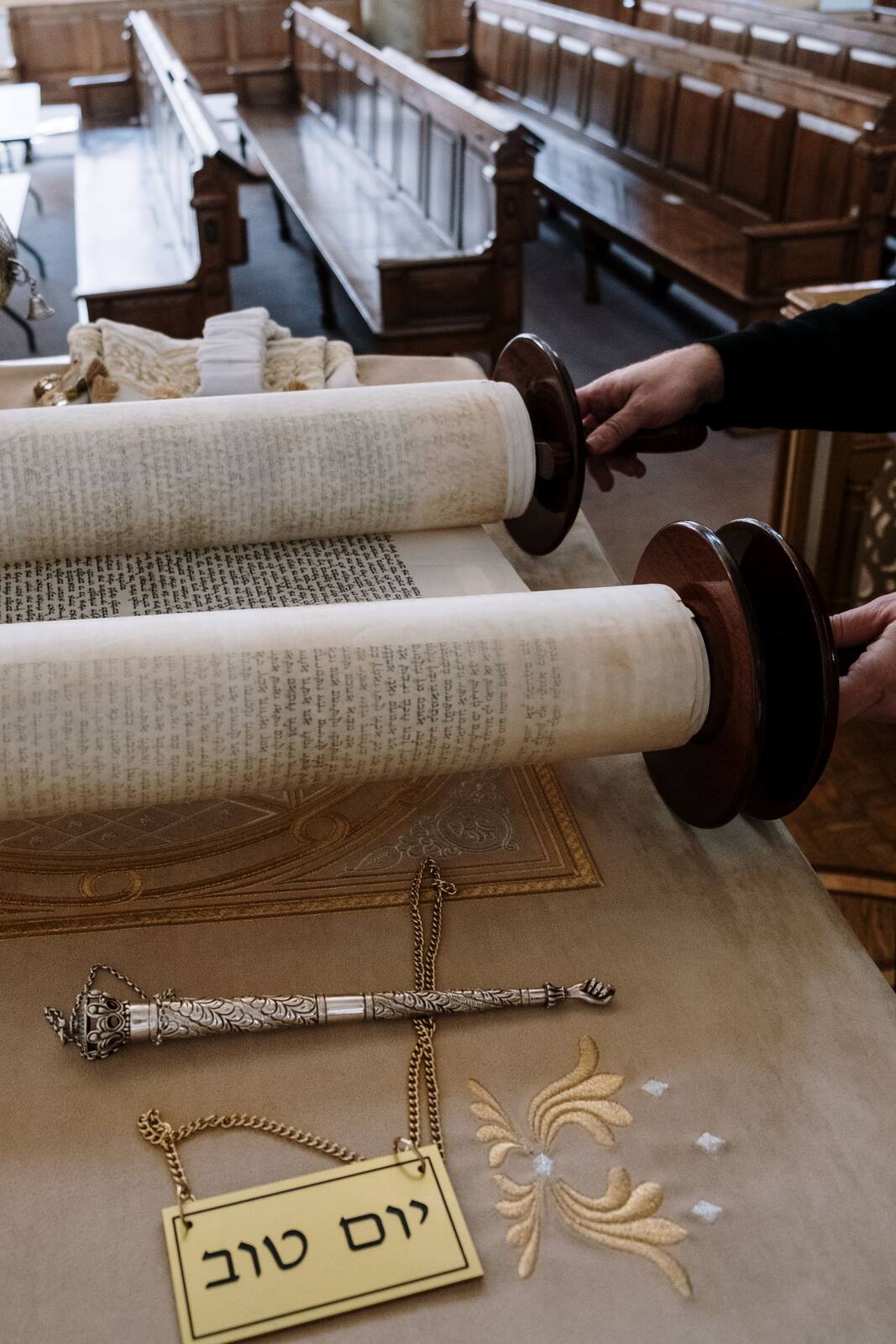
- At the Torah reading. A relative may be called up to the Torah, and a Mi Sheberach prayer for healing is said, using the new name.
- With Psalms. Many follow the order in the Chabad Psalms book (Tehillim Ohel Yosef Yitzchak): a group, ideally ten people, says a set of Psalms and then verses from Psalm 119 matching the letters of the person's name, followed by a prayer for healing and for adding a name. See Tehillim.
Ask the Rabbi whether the person needs to be present, and what is possible if they are in a hospital or far away.
Using the new name afterward
The new name should actually be used in daily life, in prayer, in blessings and when the person is called to the Torah, in the hope that it brings healing and blessing. Ask the Rabbi how to use the new name in your family and whether anything else changes.
Alongside care, comfort and visits
Adding a name never replaces doctors and treatment. Jewish tradition asks us to seek the best medical care and also to pray. Visiting the sick is a mitzvah in itself, and it is a beautiful way to show someone they are not alone. See visiting the sick.
In Lamorinda: To ask about adding a name for someone who is ill, call Rabbi Labkowski at 925-384-7242 or see /help/talk-to-the-rabbi. We are here for you.
Common questions
What does it mean to add a name to a sick person?
It is a Jewish custom of adding a Hebrew name, for example Chaim or Rafael, to a person who is gravely ill, as a prayer for healing and a new channel of blessing.
Which name should I add?
The names most often chosen are Chaim or Chaya, Alter or Alta, and Refael. Ask the Rabbi to help you choose, as the right name depends on the person.
Who adds the name?
It is done in consultation with an expert rabbi, often at the Torah reading or in a group saying Psalms. Call Rabbi Labkowski at 925-384-7242 to arrange it.
Do I have to use the new name?
Yes, use it in daily life and in prayers, in the hope that it brings healing.
Is it only for someone who is dying?
No. It is done for grave illness or other extreme misfortune. If you are not sure that your situation calls for it, ask the Rabbi.
Is this instead of seeing a doctor?
No. Seeking medical care is a duty. Adding a name is a prayer in addition.
Take the next step
- Call or message us at talk to the Rabbi to ask about adding a name, or to put a name on the prayer list.
- Read about the Mi Sheberach prayer, and about how to visit the sick.
- Learn the meaning of a Hebrew name in your family.
Questions about this, or something on your mind? Message the Rabbi or the Rebbetzin privately, or call 925-384-7242. · Email
Read next
 Mi Sheberach: The Prayer for Healing and BlessingWhat the Mi Sheberach prayer is, how to request one for someone who is sick, why the mother's name is used, and other occasions it is said.Read next →