
Learn › Shabbat & holidays › The Jewish calendar and months
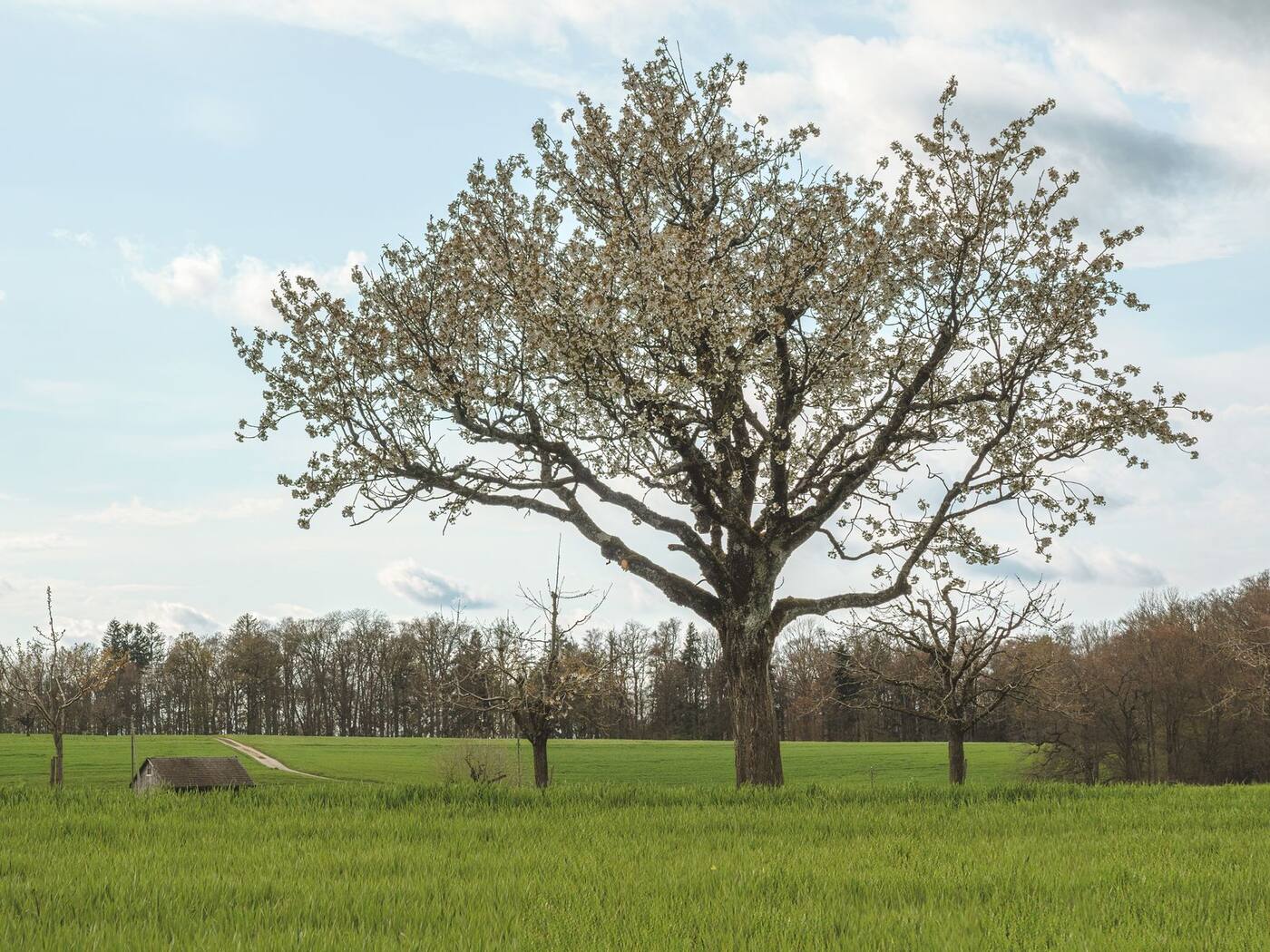
Tu BiShvat for Kids: The Trees' Birthday, Fruit Plates and Activities
Tu BiShvat for kids: why trees have a birthday, which fruits to eat, the blessings, and easy crafts and a fruit plate to do together at home.
On this page · 3 min read
Why do trees have a birthday?The story for kids: a person is like a treeWhat do we eat on Tu BiShvat?Which blessing do we say?Activities to do at homeTake the next stepTu BiShvat (ט"ו בשבט) is the Jewish "birthday of the trees," the New Year for Trees, and it falls on the 15th day of the Hebrew month of Shevat, in the middle of winter. Kids celebrate it by eating fruit, especially the fruits Israel is famous for, saying the blessing over each one, and learning that a person is like a tree.
Why do trees have a birthday?
In the Land of Israel the rainy season begins around Sukkot. The rain needs about four months to soak into the ground and help the trees make fruit. By the middle of Shevat the new fruit is on its way, so that is the tree's "new year."
In Temple times this date also mattered for a very practical reason. People gave part of their fruit to charity, and the amount changed from year to year, so everyone needed to know when the tree year turned. The site works out the date each year, so look on the holiday calendar rather than counting yourself.
The story for kids: a person is like a tree
The Torah says, "A person is a tree of the field." Ask your child what a tree and a child have in common. Here are some answers to share:
- Roots. A tree stands strong because of deep roots. Ours go back to Abraham and Sarah, to Grandma and Grandpa, and to everyone who handed down Jewish life.
- Reaching up. A tree stands on the ground but stretches toward the sky. We live in this world and reach toward G-d.
- Fruit. A tree's job is to give fruit that helps others. Our fruit is our good deeds: kindness, sharing, charity, a good word.
Read more in a person is like a tree.
What do we eat on Tu BiShvat?
The custom is to eat fruit, and the best choices are the ones Israel is praised for: olives, dates, grapes, figs and pomegranates. These are among the seven species (wheat and barley are the other two). Some people also eat carob, a sweet brown pod from a tree. A family that wants a fuller table can try the Tu BiShvat seder.
Which blessing do we say?
Before eating fruit that grows on a tree we say borei pri ha'etz, "Blessed are You, G-d, who creates the fruit of the tree." Say it slowly together, and let a child say it for the family. If it is the first time you taste a certain fruit in its season, you first say Shehecheyanu, thanking G-d for keeping us alive and bringing us to this moment. See blessings on nature.
Not sure which blessing fits a certain food, such as a fruit that grows on a bush or a vine? Ask the Rabbi.
Activities to do at home
A few easy ideas for children:
- A four-seasons fruit plate. Draw a tree trunk and branches on a plate with chocolate frosting. Make one tree for each season: pomegranate seeds for spring blossoms, sliced figs and grapes for summer leaves, cornflakes for autumn, and halved mini marshmallows for a bare winter tree with a little snow. Then enjoy the fruit.
- How many seeds are in a pomegranate? Let each child guess, then count.
- Make your own raisins. See how a grape changes when it dries.
- Finger-paint a tree with a brown trunk and fingerprint leaves or blossoms.
- Color a tree and write on each branch one good deed you will do.
A tree or a seed planted in a pot is a lovely addition for families who like it, though it is not a required custom.
Take the next step
- Tonight, put out a plate of fruit, say borei pri ha'etz together and ask: "What kind of fruit do I want to grow?"
- Read the grown-up version in the Tu BiShvat seder, or look through our kids' corner.
- Families in Lafayette, Moraga and Orinda can ask about children's programs: Jewish preschool, Hebrew school and kids and teen events.
In Lamorinda: Bring the little ones to learn about trees and fruit: call Rabbi Yisroel Labkowski at 925-384-7242 to hear what is planned for kids in Lafayette, Moraga and Orinda, or see [kids and teen events](/programs/kids-and-teens).
Common questions
What is Tu BiShvat for kids?
Tu BiShvat is the birthday of the trees on the 15th of Shevat. Children eat fruit, say the blessing and learn that people grow roots and fruit like trees.
Why do we eat fruit on Tu BiShvat?
Eating fruit celebrates the new year of the trees. The favorite fruits are those Israel is known for: olives, dates, grapes, figs and pomegranates.
What blessing do kids say on Tu BiShvat?
For tree fruit, say borei pri ha'etz. If it is the first time you taste a fruit this season, say Shehecheyanu first.
Why is a person like a tree?
The Torah says "a person is a tree of the field." Like a tree we need roots, we reach upward, and we should give fruit through good deeds.
What are easy Tu BiShvat crafts?
Try a four-seasons fruit plate, finger-painted trees, a pomegranate seed count, homemade raisins and tree coloring pages.
Is there a Tu BiShvat program near Lafayette, Moraga and Orinda?
Call Chabad of Lamorinda in Lafayette at 925-384-7242 to hear what is planned for children this year.
Questions about this, or something on your mind? Message the Rabbi or the Rebbetzin privately, or call 925-384-7242. · Email
Read next
 Tu BiShvat Seder: How to Celebrate the New Year for TreesHow to hold a Tu BiShvat seder or fruit gathering: the seven species, the right blessings and their order, and the Kabbalistic customs.Read next →