
Learn › Shabbat & holidays › Fast days, the Three Weeks and Tisha B'Av
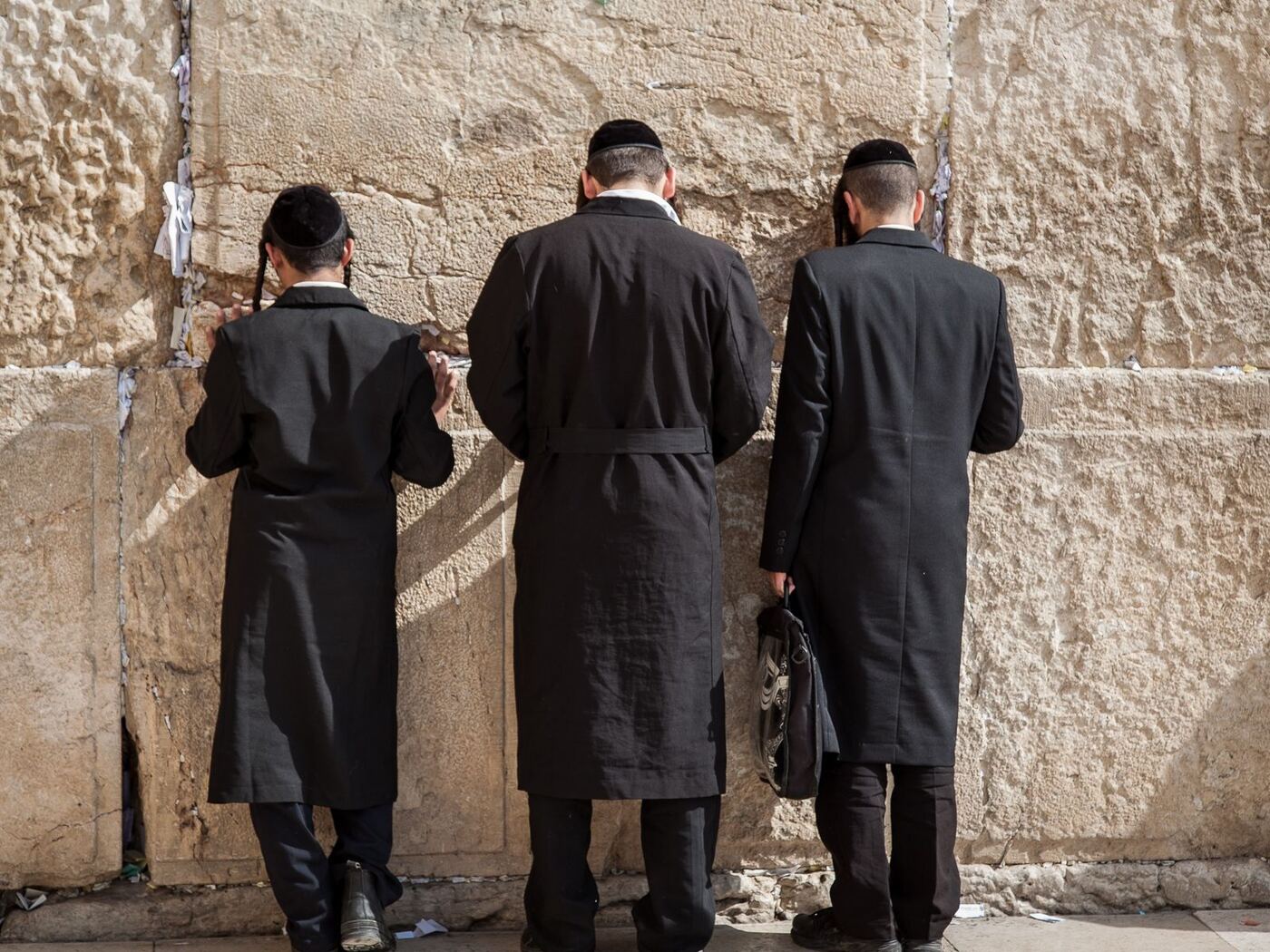
The Three Weeks and the Nine Days: Jewish Mourning Customs
What the Three Weeks and Nine Days are, why Jews mourn between the 17th of Tammuz and Tisha B'Av, and which customs apply and when.
On this page · 2 min read
What happened during the Three Weeks?Why we mournCustoms of the Three WeeksThe Nine DaysTisha B'AvThe Three Weeks are the period between the fast of the 17th of Tammuz and the fast of Tisha B'Av, when Jews mourn the destruction of the Holy Temple in Jerusalem. The last nine days are the most intense, with more mourning customs.
What happened during the Three Weeks?
On the 17th of Tammuz, the Romans broke through the walls of Jerusalem in the year 70 CE, during the siege that ended with the destruction of the Second Temple. Three weeks later, on the 9th of Av, Tisha B'Av, both the First and Second Temples were destroyed. Many other tragedies in Jewish history also took place in this season.
The Prophet Jeremiah called this time "between the straits" (Lamentations 1:3), a narrow and difficult period.
Why we mourn
We mourn not only for a building, but for what was lost: a world in which G-d's presence was openly felt, and the Jewish people lived united in its land. The Talmud teaches that the Second Temple was destroyed because of baseless hatred among Jews.
So the Three Weeks are also a time for repair: extra kindness, unity, tzedakah and Torah study. The Lubavitcher Rebbe especially encouraged learning about the Holy Temple during these weeks, and focusing on the hope of rebuilding it.
Customs of the Three Weeks
From the 17th of Tammuz, Ashkenazi custom includes:
- No weddings.
- No haircuts or shaving.
- No listening to music, live or recorded (background music you cannot control is not a concern).
- Avoiding activities that require saying Shehecheyanu, such as eating a new fruit or wearing new clothes of significant worth. Chabad custom is to refrain from this even on Shabbat and Rosh Chodesh.
The Nine Days
From Rosh Chodesh Av until Tisha B'Av, the mourning increases. Customs include:
- No eating meat or drinking wine, except on Shabbat or at a meal celebrating a mitzvah, such as a siyum (completion of a section of Talmud).
- No bathing or swimming for pleasure. Washing for hygiene is permitted.
- No laundering or wearing freshly laundered clothes. Many prepare by wearing their clothes briefly before the Nine Days.
- No renovations or major home improvement for enjoyment.
- No buying new clothes or major new items.
The Lubavitcher Rebbe encouraged holding or joining a siyum each day of the Nine Days, adding Torah study and the joy of a mitzvah to these days.
Tisha B'Av
The period ends with Tisha B'Av, a full 25-hour fast, the saddest day on the Jewish calendar. We sit on low seats, read the book of Lamentations, and do not wear leather shoes. Read more in our guide to fast days.
In Lamorinda: Learn about Tisha B'Av and the Three Weeks at jewishlamorinda.com/holidays/tisha-bav, or call 925-384-7242 with questions.
Common questions
Do these customs apply to children?
Many of the customs, such as not cutting hair, are kept for children too. Others are relaxed for young children. Ask the Rabbi for your family.
Can I go on vacation during the Three Weeks?
Travel itself is not forbidden, but many avoid fun trips and especially swimming during the Nine Days. Ask the Rabbi about specific plans.
What if I need to shave for work?
In some cases, a person whose job requires a clean-shaven appearance may shave during the Three Weeks. Ask the Rabbi about your circumstances.
Is there anything joyful in this time?
Yes. Our Sages promise that these days will one day become days of celebration, when Moshiach comes and the Temple is rebuilt. Chabad custom is to focus on that hope, and to add in joy on the Shabbatot of the Three Weeks.
Questions about this, or something on your mind? Message the Rabbi or the Rebbetzin privately, or call 925-384-7242. · Email
Read next
 Jewish Fast Days: Dates, Meaning and How to FastA guide to the Jewish fast days, from Yom Kippur and Tisha B'Av to the minor fasts: when they are, why we fast, and who is exempt.Read next →