
Learn › Jewish home › Jewish parenting
Every Soul Belongs: Jewish Life for Children and Adults With Special Needs
How Judaism and the Rebbe view people with special needs, and how Shabbat, holidays, Jewish education and a bar or bat mitzvah can include everyone.
On this page · 3 min read
The Rebbe's view: special, not handicappedMitzvot with the whole heartMaking Shabbat and holidays welcomingBar and bat mitzvahSupport for parents and siblingsWhat Chabad of Lamorinda can doJudaism teaches that every person has a purpose, and that people with special needs belong fully in Jewish life. The Lubavitcher Rebbe asked that we say "special," and not "handicapped," and encouraged including every child and adult in Jewish education, Shabbat and mitzvot. Families in Lafayette, Moraga and Orinda are welcome to talk with us about what works for their child.
The Rebbe's view: special, not handicapped
The Rebbe, Rabbi Menachem Mendel Schneerson, preferred the word "special." He felt it was more accurate, not just kinder, because a person who struggles in one area often has remarkable strengths in another. The teaching in Chabad circles is that each person is given all he or she needs to fulfill a mission in this world. Missions differ, so abilities differ, and no one has an easier road than anyone else.
In letters to a doctor who worked with children, the Rebbe also asked that each person be seen as an individual and that their abilities be developed. He wrote that G-d does not demand of anyone more than their natural capacities, and that Jews are one body: each person who does what they can shares in the achievement of the whole.
Mitzvot with the whole heart
The Rebbe stressed hands-on, tangible mitzvot. Even without understanding every detail, a person can feel at home in a Shabbat table, a sukkah or a lulav. He described how elderly and unresponsive people brightened on Sukkot and recited blessings when handed a lulav and etrog.
He also rejected the idea that children with disabilities should be spared a Jewish education so as not to burden them. Leaving them out, he wrote, can do lasting harm, while regular participation in mitzvot creates belonging and inner security. How a mitzvah is performed, and what is expected, depends on each person's abilities and understanding. For specific questions, ask the Rabbi.
Making Shabbat and holidays welcoming
Some ideas families have found helpful, none of which is a rule:
- A predictable routine. The weekly rhythm of Shabbat can be comforting: the same candles, songs and meal.
- A quiet space. A calm corner at home or at a gathering, with a break whenever needed.
- Short, hands-on participation. Lighting candles, holding the challah, shaking the lulav, spinning the dreidel.
- Telling the host. Let a host know about allergies, noise or sensory needs. A good host wants to know.
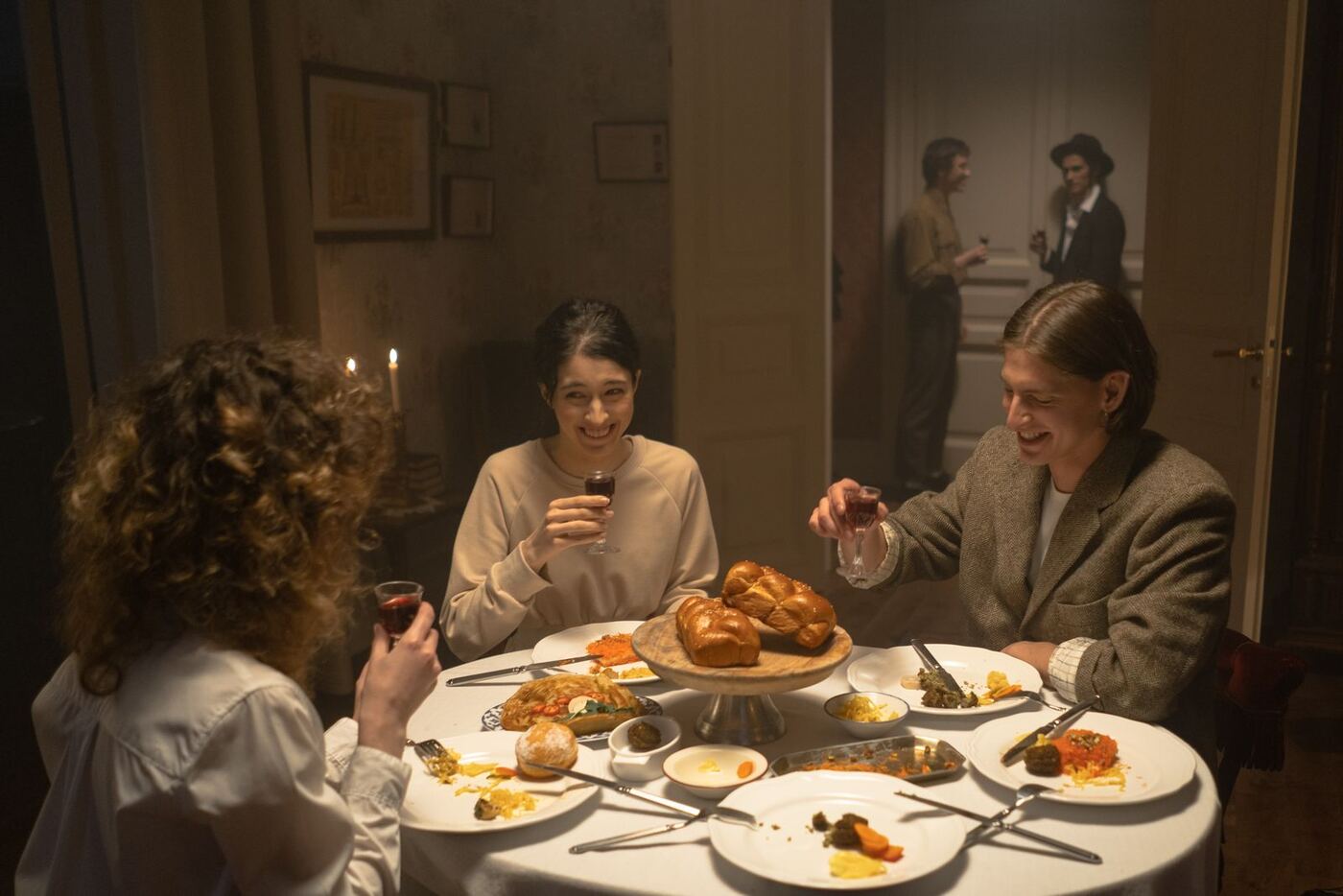
The Rebbe called Shabbat a day of delight for young and old, and said that anyone aware of those who cannot yet enjoy it should help make it possible.
Bar and bat mitzvah
A child becomes bar or bat mitzvah at the age of Jewish adulthood, 13 for a boy and 12 for a girl, automatically. How the day is marked can be shaped to the child. Read bar and bat mitzvah for a child with special needs and the timeline.
Support for parents and siblings
Parents often carry a great deal, and brothers and sisters have feelings of their own. You do not need to explain everything or do it alone. A private conversation, a listening ear and a warm welcome at the Shabbat table can help. Read welcoming the stranger and Jewish parenting.
What Chabad of Lamorinda can do
Chabad of Lamorinda in Lafayette welcomes every Jew; no membership is needed. Rabbi Yisroel Labkowski and Rebbetzin Tzipora Labkowski are glad to talk with parents about what a child needs. Please call 925-384-7242 to talk. For Hebrew school, camp or other needs, the best step is a personal conversation, so we can understand your child and tell you honestly what we can offer. See Jewish kids in Lamorinda.
In Lamorinda: Call Rabbi Yisroel Labkowski at 925-384-7242 to talk about your child or family, in complete privacy.
Common questions
How does Judaism view people with disabilities?
Judaism teaches that every person has a unique purpose and is equipped to fulfill it. The Rebbe asked that we use the word "special" and treat each person as an individual.
Should a child with special needs have a Jewish education?
Yes. The Rebbe called the idea of sparing such children a Jewish education mistaken and harmful, and encouraged hands-on participation in mitzvot suited to the child.
Can my child become a bar or bat mitzvah?
Yes. Bar and bat mitzvah status begins automatically at the age of 13 or 12. How the day is marked is planned with the Rabbi. See the guide above.
How can I make Shabbat easier for my child?
A steady routine, a quiet space and simple hands-on parts like candles and challah often help. Ask the Rabbi about specific questions.
Does Chabad of Lamorinda have special needs programs?
Please call Rabbi Labkowski at 925-384-7242 to hear what is available for your child. We will not promise what we cannot provide.
Who can I talk to in Lafayette, Moraga or Orinda?
Call 925-384-7242 for a private, caring conversation with the Rabbi or Rebbetzin.
Take the next step
- Call 925-384-7242 or talk to the Rabbi.
- Read the next guide: bar and bat mitzvah for a child with special needs.
- Explore Hebrew school and kids and teens, and ask how they can fit your child.
Questions about this, or something on your mind? Message the Rabbi or the Rebbetzin privately, or call 925-384-7242. · Email
Read next
 Bar and Bat Mitzvah for a Child with Special NeedsBar or bat mitzvah for a child with autism, Down syndrome or other needs: what it requires and how to adapt it. A private plan with the Rabbi.Read next →