
Learn › Prayer & Torah › Blessings (brachot)
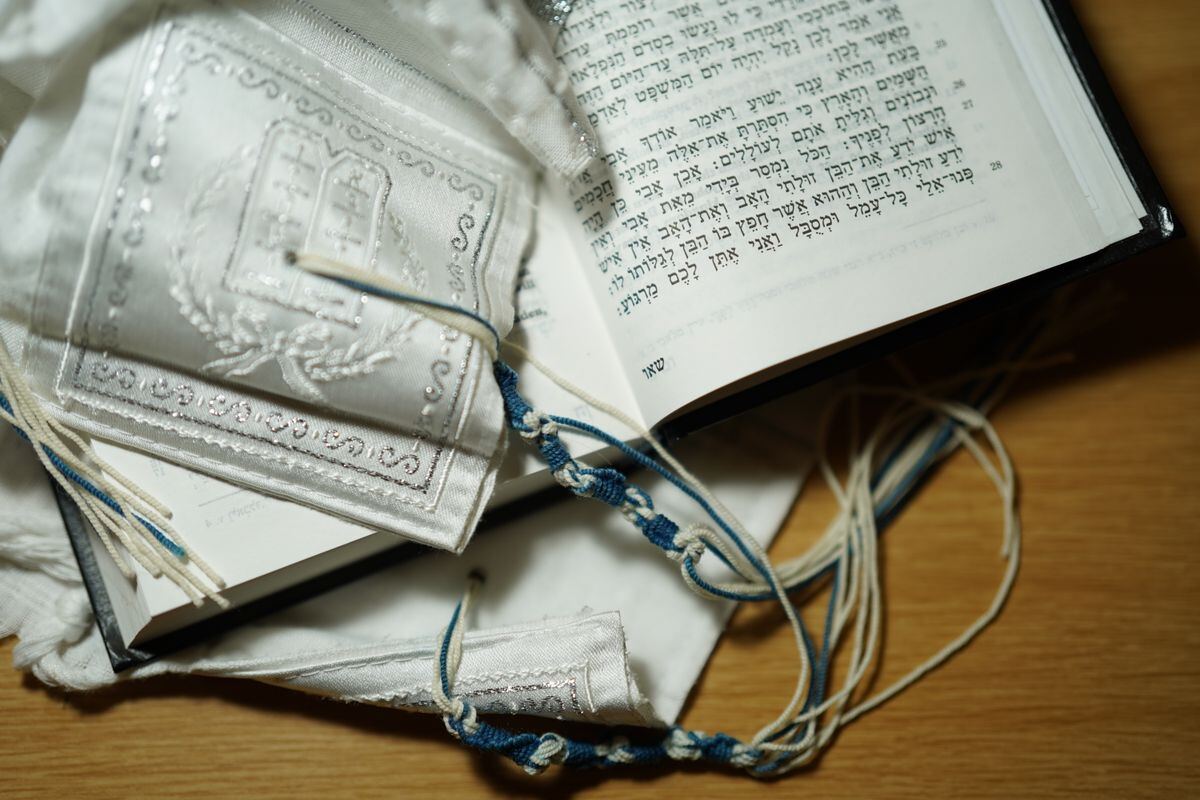
Shehecheyanu Blessing: When and How to Say It
The Shehecheyanu blessing in Hebrew, transliteration and English, what it means, and when to say it: holidays, new fruit, new clothes and more.
On this page · 3 min read
The blessingWhat it meansWhen to say ShehecheyanuHow to say itThe Three WeeksShehecheyanu is a short blessing of thanks said on happy, new or seasonal occasions. It thanks G-d "who has kept us alive, sustained us, and brought us to this time," and is said at the start of holidays, when eating a new fruit of the season, and on other joyful firsts.
The blessing
Hebrew: בָּרוּךְ אַתָּה ה' אֱלֹקֵינוּ מֶלֶךְ הָעוֹלָם, שֶׁהֶחֱיָנוּ וְקִיְּמָנוּ וְהִגִּיעָנוּ לַזְּמַן הַזֶּה
Transliteration: Baruch atah Ado-nai, Elo-heinu melech ha'olam, shehecheyanu v'kiymanu v'higiyanu lazman hazeh.
Translation: Blessed are You, L-rd our G-d, King of the universe, who has kept us alive, sustained us, and brought us to this time.
What it means
The name comes from the blessing's key word, shehecheyanu, "who has kept us alive." It expresses gratitude not just for the moment itself, but for being alive to experience it. It teaches us to notice new blessings and not take them for granted.
When to say Shehecheyanu
On holidays
- At candle lighting or Kiddush on the first night of Rosh Hashanah, Sukkot, Shemini Atzeret, Passover and Shavuot. Women and girls often say it when lighting holiday candles; otherwise it is heard in Kiddush.
- Yom Kippur: said at the start of the holiday.
- Mitzvot that come once a year: the first time you hear the shofar, take the lulav and etrog, light the Chanukah menorah on the first night, and hear the Megillah on Purim.
It is not said on Shabbat, Rosh Chodesh, or the seventh and last days of Passover, since these are not new beginnings in the same way.
On new things
- A new fruit of the season: the first time you eat a fruit that grows seasonally and that you have not tasted this season.
- Significant new clothing: such as a new suit or dress. Authorities differ on whether to bless when first wearing it (the Chabad custom is generally not to say Shehecheyanu on clothing), so ask the Rabbi. It is never said on everyday items like socks or undershirts.
- A major new purchase that brings real joy, such as a new home, according to many authorities. Ask the Rabbi.
On joyful occasions
- Seeing a close friend you have not seen in thirty days or more, if it brings real joy.
- A pidyon haben, the redemption of a firstborn son.
How to say it
- Have the item or moment ready. For a fruit, first say the regular blessing on the fruit, then Shehecheyanu, then eat.
- Say the blessing with joy and focus on what you are thankful for.
- Answer Amen when you hear someone else say it, with the intention of being included.
The Three Weeks
From the 17th of Tammuz to Tisha B'Av, a time of mourning for the Holy Temple, the custom is to avoid occasions that call for Shehecheyanu, such as eating a new fruit or wearing new clothes. Some authorities permit it on Shabbat during this period, but the Chabad custom is to refrain from eating new fruit or wearing new clothing even on Shabbat. Ask the Rabbi. Read more in our guide to the Three Weeks.
In Lamorinda: Want to learn more blessings or celebrate the holidays with us? Call Rabbi Labkowski at 925-384-7242 or visit jewishlamorinda.com/holidays.
Common questions
Do I say Shehecheyanu on the second night of a holiday?
Yes. Outside Israel, Shehecheyanu is also said on the second night. On the second night of Rosh Hashanah, it is customary to have a new fruit or new garment present while saying it.
Is there a custom to eat a new fruit on a Hebrew birthday?
Yes. A Chabad custom is to eat a new fruit on your Hebrew birthday and say Shehecheyanu. Read more about the Hebrew birthday.
What if I forgot to say it?
If you have already finished eating the fruit or enjoying the new item, you generally do not say it later. For holidays, ask the Rabbi, since the rules depend on the occasion.
Can I say Shehecheyanu on a new baby?
Many authorities say parents bless G-d at the birth of a child. The specific blessing depends on the circumstances, so ask the Rabbi.
Questions about this, or something on your mind? Message the Rabbi or the Rebbetzin privately, or call 925-384-7242. · Email
Read next
 Jewish Blessings Over Food: Which Bracha to Say and WhenA simple guide to Jewish blessings (brachot): the six blessings before food, the blessings after eating, Shehecheyanu, and how to say them.Read next →