
Learn › Shabbat & holidays › The Jewish calendar and months
Rosh Chodesh: Celebrating the Jewish New Month
What Rosh Chodesh is, why the new moon matters, how it is celebrated with prayers and customs, and its special connection to women.
On this page · 2 min read
Why the new moon mattersOne day or two?How Rosh Chodesh is celebratedBlessing the new monthRosh Chodesh and Jewish womenKiddush LevanahRosh Chodesh, meaning "head of the month," is the first day of each Hebrew month, marked by the appearance of the new moon. It is a minor holiday celebrated with special prayers, a festive spirit, and a special connection to Jewish women.
Why the new moon matters
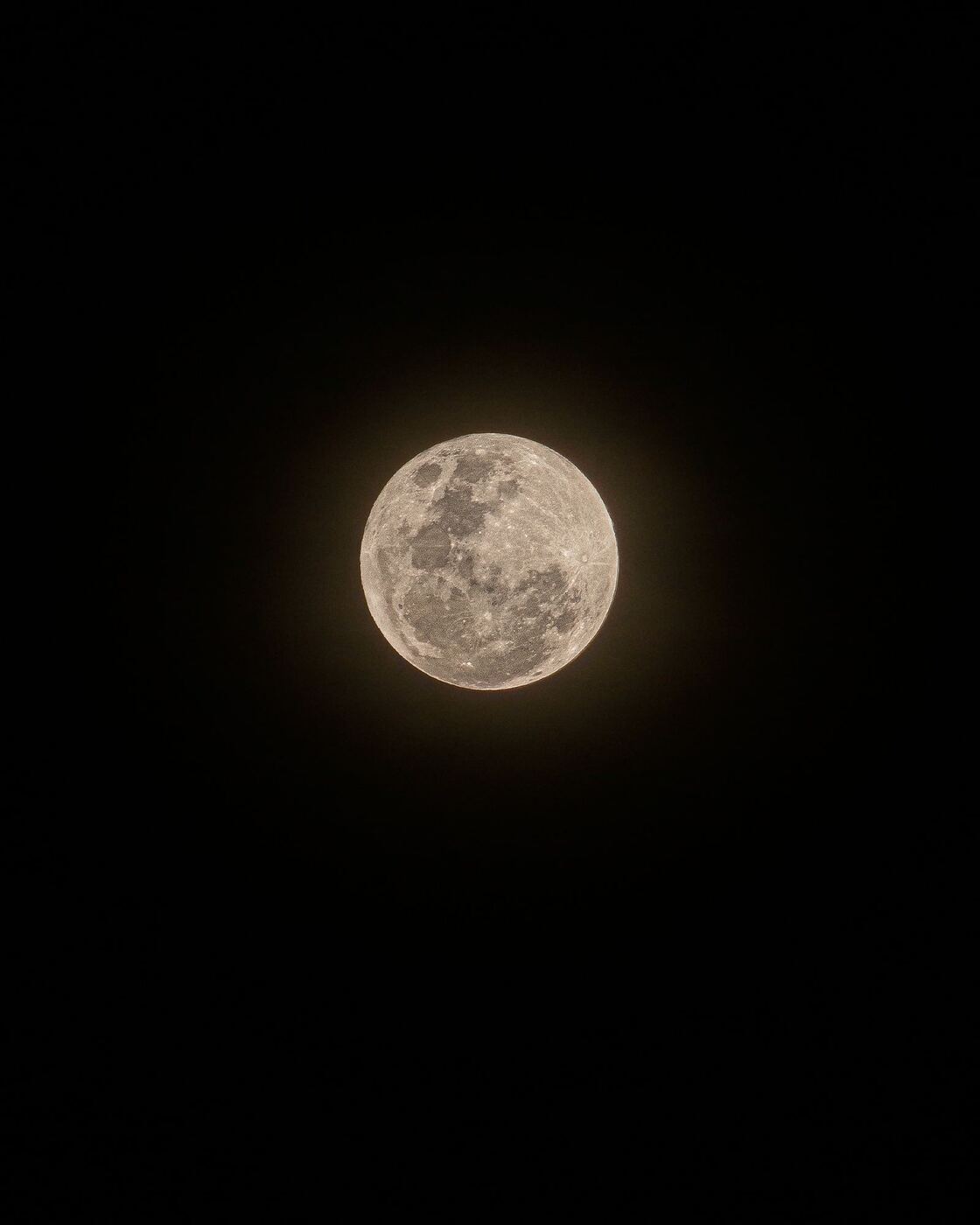
The very first mitzvah given to the Jewish people as a nation, while still in Egypt, was to sanctify the new month: "This month shall be for you the head of the months" (Exodus 12:2). By setting the calendar, the Jewish people were given the power to shape sacred time.
The moon also carries a message. It waxes and wanes but always renews itself. The Jewish people, too, have faced hard times, yet always renewed. Each new month is a reminder that we can begin again.
One day or two?
- When the previous month has 30 days, Rosh Chodesh is two days: the 30th of the old month and the 1st of the new month.
- When the previous month has 29 days, Rosh Chodesh is one day: the 1st of the new month.
The Jewish calendar guide explains why months vary in length.
How Rosh Chodesh is celebrated
Special prayers:
- Ya'aleh V'yavo is added to the Amidah and Grace after Meals.
- Hallel, psalms of praise, is recited in the morning (a shortened version on most Rosh Chodesh days).
- Torah reading: a short portion about the Rosh Chodesh offering is read.
- Musaf: an additional prayer service is said.
Festive meal: it is a mitzvah to have a nicer meal than usual on Rosh Chodesh.
No fasting or eulogies: as a joyful day, fasting is not allowed and eulogies are not given.
Blessing the new month
On the Shabbat before Rosh Chodesh, called Shabbat Mevarchim, a special prayer announces the day and time of the coming new moon and asks for a month of blessing. The one exception is Tishrei, which is not announced, because Rosh Hashanah takes its place.
Chabad custom on Shabbat Mevarchim includes reciting the entire Book of Tehillim (Psalms) before morning prayers.
Rosh Chodesh and Jewish women
Rosh Chodesh is considered a special holiday for women. According to tradition, when the men in the desert gave their gold to make the Golden Calf, the women refused. As a reward, women received Rosh Chodesh as their holiday. Many women have a custom to refrain from certain chores, like heavy laundry or sewing, on Rosh Chodesh, and many women's groups meet monthly to learn and celebrate. See our guide on Jewish women.
Kiddush Levanah
During the first half of the month, usually after Shabbat, Jews go outside to recite a blessing over the moon called Kiddush Levanah. It is said a few days into the month, once the moon is clearly visible. Ask the Rabbi about the earliest and latest times.
In Lamorinda: See upcoming Hebrew months and holidays on our holidays page, or call Rabbi Labkowski at 925-384-7242 with any questions.
Common questions
Is Rosh Chodesh a day off from work?
No. Work is permitted, though some women refrain from certain household tasks as a custom.
How do I know when Rosh Chodesh is?
Check our holidays page or use our Hebrew date tool. Rosh Chodesh is also announced in synagogue the Shabbat before.
What is Ya'aleh V'yavo?
It is a paragraph added to prayers and Grace after Meals on Rosh Chodesh and holidays. If you forget it, ask the Rabbi whether you need to repeat the prayer, since the rules differ by prayer and time of day.
Do we light candles on Rosh Chodesh?
No. Unlike Shabbat and major holidays, Rosh Chodesh does not have candle lighting.
Questions about this, or something on your mind? Message the Rabbi or the Rebbetzin privately, or call 925-384-7242. · Email
Read next
 The Jewish Calendar Explained: Months, Leap Years and HolidaysHow the Hebrew calendar works: lunar months, leap years, the 12 Jewish months, why holidays move, and why days start at sunset.Read next →