
Learn › Shabbat & holidays › Purim
Parshat Zachor and the Four Special Shabbats Before Passover
What is Parshat Zachor? The Shabbat before Purim, the Torah reading to remember Amalek, and the four special readings: Shekalim, Zachor, Parah, HaChodesh.
On this page · 2 min read
What is Parshat Zachor?Why is it so important to hear it?The four special ShabbatotHow to prepareTake the next stepParshat Zachor (פרשת זכור) is the special Torah reading on the Shabbat before Purim, in which we are commanded to "remember" what Amalek did to the Jewish people and to blot out its memory. According to many halachic authorities, there is a Biblical requirement for men to hear this reading, which is why so many people come to the synagogue that Shabbat.
What is Parshat Zachor?
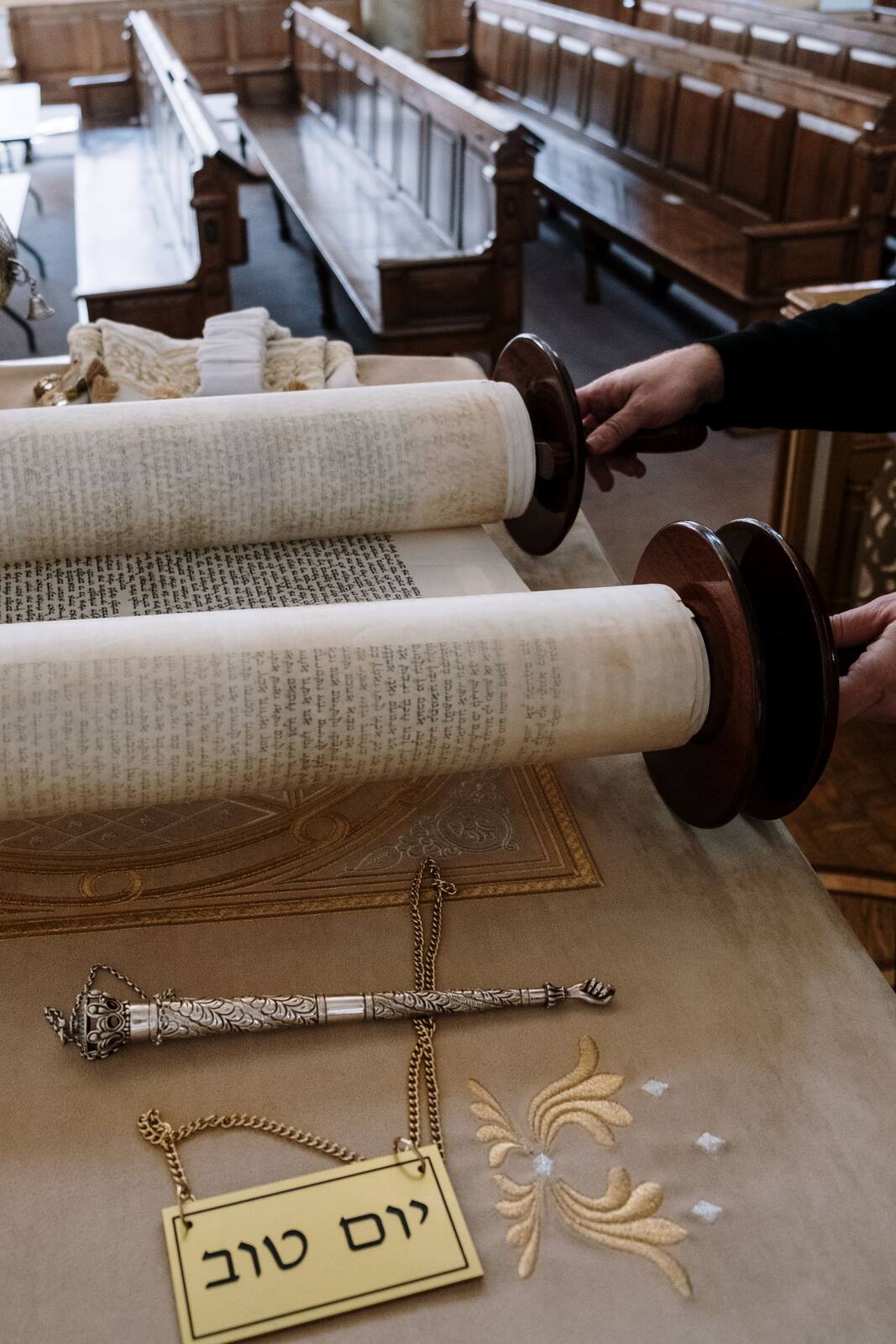
"Zachor" means "remember." The reading comes from Deuteronomy 25:17-19, and it is added to the regular weekly portion. Amalek alone attacked the Jewish people after the Exodus, out of a hatred that defied logic. The Haftorah is from I Samuel 15, the story of King Saul and Amalek.
The connection to Purim is clear: Haman, the villain of the Purim story, is a descendant of Amalek. Hearing Zachor on the Shabbat before Purim prepares us to celebrate Purim. See Purim for beginners and the Purim holiday page.
Why is it so important to hear it?
Because many authorities consider this reading a Biblical obligation, the custom is to make a special effort to hear it, in person, from a Torah scroll, with a community. Men in Lafayette, Moraga and Orinda who attend only once a year often choose this Shabbat.
Do women need to hear it? Practice varies, and women often make a point of coming. Please ask the Rabbi what applies to your family.
The four special Shabbatot
Parshat Zachor is the second of four special readings added during or just before Adar:
- Shekalim: about the half-shekel that each person gave for the Temple, read around the start of Adar. It reminds us that every person counts equally.
- Zachor: the Shabbat before Purim.
- Parah: about the red heifer and purification, read a few weeks later, in preparation for the Passover offering.
- HaChodesh: about the first mitzvah given to the Jewish people as a nation, the sanctifying of the new moon, read before the month of Nissan.
Together, they take us from the joy of Purim through spiritual preparation to Passover. For the full year, see the Torah reading and the Torah portion of the week.
How to prepare
- Check the date on this week's page.
- Come to services in Lafayette and plan to arrive before the reading.
- Read about the Fast of Esther, which comes a few days later.
- Plan your costumes, hamantaschen and Purim meal.
Take the next step
- Join us for Shabbat; see Shabbat times and call 925-384-7242 about services.
- Read the Fast of Esther and the month of Adar.
- Check the events page for Purim.
In Lamorinda: Come to Shabbat services in Lafayette for Parshat Zachor: call Rabbi Yisroel Labkowski at 925-384-7242 for times and to hear what is planned.
Common questions
What is Parshat Zachor?
It is the special Torah reading on the Shabbat before Purim, commanding us to remember what Amalek did to the Jewish people.
When do we read Parshat Zachor?
On the Shabbat before Purim. Use the parsha page or this week for the exact date.
Do women have to hear Parshat Zachor?
Practice varies and many women come. Please ask the Rabbi for guidance for your family.
What are the four parshiyot?
Shekalim, Zachor, Parah and HaChodesh, four special readings added before Passover, mostly during Adar.
Why does Zachor come right before Purim?
Haman is a descendant of Amalek, so hearing Zachor prepares us for the Purim story.
Where can I hear Parshat Zachor near Lafayette?
Call Chabad of Lamorinda in Lafayette at 925-384-7242 for Shabbat service times.
Questions about this, or something on your mind? Message the Rabbi or the Rebbetzin privately, or call 925-384-7242. · Email
Read next
 Purim for Beginners: The Story, the Megillah and the Four MitzvahsNew to Purim? The story of Esther and Haman in brief, what to expect at a Megillah reading, costumes, hamantaschen and the four mitzvahs of the day.Read next →