
Learn › Life cycle › Bar and Bat Mitzvah
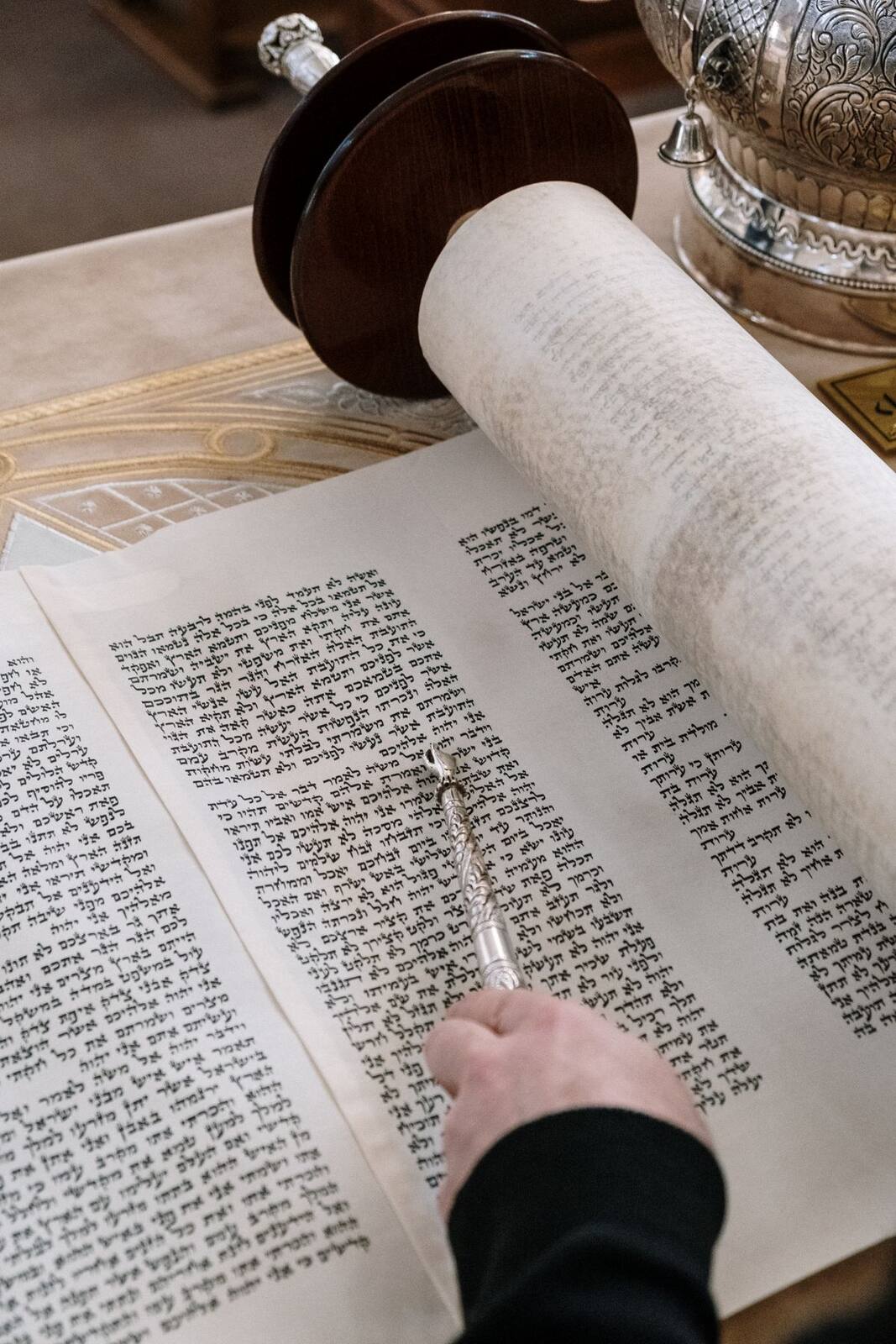
Baruch Shepatarani: The Father's Blessing at a Bar Mitzvah and the Parents' Moment
What is Baruch Shepatarani? The short blessing a father says at his son's Bar Mitzvah aliyah, what it means, and ways for parents to bless their child.
Part 11 of 18 · Bar and Bat Mitzvah, step by step
On this page · 3 min read
What the blessing meansHow and when it is saidWhat else the parents can do on the dayBlessing your child in your own wordsBaruch Shepatarani is a one-line blessing a father says when his son is called to the Torah for his Bar Mitzvah aliyah. It means, "Blessed is the One who has freed me from the punishment of this one," and it marks the moment a father is no longer responsible for his son's mitzvot, because the boy is now responsible for himself.
What the blessing means
Until 13, a father is responsible for teaching his son and, in a sense, answers for his son's mitzvot. At the Bar Mitzvah the boy takes that responsibility on himself. The father says the blessing to give thanks for reaching this day and to mark the handover. The tone is gratitude and joy, not a heavy one.
How and when it is said
A few details are worth knowing:
- It is said when the boy has his aliyah, not when the father is called up.
- The text is one short line; the Rabbi will give you the wording used in our community. Say it aloud, standing beside your son.
- It can be said on a day the Torah is read: Shabbat, Monday, Thursday and Rosh Chodesh.
- The Divine Name is left out. Chabad Chassidim generally do not say G-d's name in this blessing. The Rebbes themselves did say it, but this is not a directive for everyone. Ask the Rabbi how it will be said at your Bar Mitzvah.
The Bar Mitzvah timeline shows where this moment fits in the day. Practice the Hebrew beforehand, so that you are not reading it for the first time in front of everyone.
What else the parents can do on the day
Here are some customs for the family on the Bar Mitzvah day:
- A few words from the father. After the morning prayers, the father may say a short word in honor of the occasion.
- Tzedakah. The boy gives charity before the morning and afternoon prayers, and the parents do too. See tzedakah.
- Gratitude at the meal. At the festive meal, the parents thank G-d for raising their child to this day. The meal is a seudat mitzvah, a festive meal that is itself a mitzvah.
- Guests bless the boy. Friends and family wish him success in body and in spirit.
- Shabbat clothes for the boy and parents, and Psalm 14 in the boy's learning for the day.
Blessing your child in your own words
Besides the blessing, many parents use the day to tell their child, in their own words, what they see in him or her. Customs differ; this is not a legal requirement, only a gift:
- Write a letter a few weeks ahead. Say what you admire, a memory and a hope.
- Read it privately, or with the family at the meal. If you read it aloud, keep it brief.
- Include a blessing. Each Friday night many Jewish parents bless their children; see blessing your children.
- Include the mother. At a Bar Mitzvah the mother's words are welcome at the meal or in a letter. For a Bat Mitzvah, both parents may speak at the celebration; see Bat Mitzvah.
In Lamorinda: Want to plan the aliyah and the blessing? Call Rabbi Labkowski at 925-384-7242, or see /programs/bar-bat-mitzvah.
Common questions
What is Baruch Shepatarani?
It is the blessing a father says at his son's Bar Mitzvah aliyah, thanking G-d for freeing him from responsibility for his son's mitzvot. It is a single sentence.
Does the father say G-d's name in the blessing?
Chabad Chassidim generally do not say it in this blessing. Ask the Rabbi how it will be said at your celebration.
Can the father say it at a Bat Mitzvah?
The blessing is for the Bar Mitzvah aliyah. A father can bless his daughter in his own words at the celebration; see Bat Mitzvah.
What if the father is not present or not Jewish?
Many families face this. Talk to the Rabbi about who can stand beside the boy, such as a grandfather or uncle. Do not guess; ask.
Does the mother say a blessing?
There is no set blessing, but many mothers speak or write a blessing in their own words. Ask the Rabbi where it fits.
When should we practice the blessing?
A few weeks before, with the Rabbi, together with your son's aliyah blessings.
Take the next step
- Families in Lafayette, Moraga and Orinda can call Rabbi Labkowski at 925-384-7242 to plan the aliyah and the blessing, and to practice the wording.
- Help your son with his own words: the Bar Mitzvah speech.
- Invite the grandparents to the moment: grandparents at a Bar Mitzvah.
Step by step · Part 11 of 18
Bar and Bat Mitzvah, step by step
NextAttending a Bar or Bat Mitzvah: A Guest's GuideInvited to a Bar or Bat Mitzvah? The service, the aliyah, candy throwing, the party, gifts in multiples of 18, what to wear and phones on Shabbat.All 18 parts
- Bar Mitzvah: What It Means and How to Prepare
- Bat Mitzvah: What It Means and How to Celebrate at 12
- Preparing for a Bar or Bat Mitzvah: A Step-by-Step Timeline
- A Meaningful Bar or Bat Mitzvah on a Budget: What Matters Most
- Bar and Bat Mitzvah Invitation Wording: Hebrew Dates, Names and Warm Examples
- Bar Mitzvah in Israel: Planning a Western Wall Bar or Bat Mitzvah
- Bar or Bat Mitzvah Date and Torah Portion: How to Find Yours
- Tefillin: What They Are and How to Put Them On
- Starting Tefillin Before the Bar Mitzvah: When, How and the First Time
- Bar Mitzvah Speech: How to Write and Give a D'var Torah
- Baruch Shepatarani: The Father's Blessing at a Bar Mitzvah and the Parents' Moment
- Attending a Bar or Bat Mitzvah: A Guest's Guide
- How Much to Give? Bar Mitzvah, Wedding and Baby Gifts in Multiples of 18
- Tzedakah at a Bar or Bat Mitzvah: Giving Part of the Gifts
- Bat Mitzvah Projects: Meaningful Ideas for the Celebration
- Bar and Bat Mitzvah for a Child with Special Needs
- Adult Bar or Bat Mitzvah: It Is Never Too Late to Celebrate
- A Second Bar Mitzvah at 83: Celebrating Seventy More Years
Questions about this, or something on your mind? Message the Rabbi or the Rebbetzin privately, or call 925-384-7242. · Email
Read next
 Bar Mitzvah Speech: How to Write and Give a D'var TorahHow to write a bar mitzvah speech: a simple structure, linking it to the Torah portion, a Chassidic thought, thanking parents and tips for the day.Read next →