
Learn › Jewish ideas › Kindness and loving others
Honoring the Elderly: "Rise Before the Aged" in Jewish Life
Why Judaism asks us to stand for older people, respect their wisdom, visit and call, hear their stories and keep them part of Shabbat and holidays.
On this page · 3 min read
"Rise before the aged"Respect for wisdomVisiting and callingPatienceLearning their storiesSeniors at Shabbat and the holidaysIn many places today, growing old means becoming invisible. The Torah sees it the other way around. An older person is someone to stand up for, to listen to, and to keep close. This guide looks at what Judaism teaches about honoring the elderly, and at simple ways to live it.
"Rise before the aged"
The Torah commands: "Rise before the aged and honor the face of the elder, and you shall fear your G-d" (Leviticus 19:32). The sages learned from here that we stand up when an older person enters or passes by, as a sign of respect.
Why does the verse end with "fear your G-d"? Because it is easy to honor someone when others are watching, and easy to pretend not to notice when they are not. The Torah asks for the kind of respect that comes from the heart, whether or not anyone sees. The Talmud adds that the commandment covers every older person, learned or not, because a long life is itself a kind of wisdom.
Respect for wisdom
Judaism connects age with understanding. "With the aged is wisdom, and length of days brings understanding" (Job 12:12). The sages taught that the broken tablets of the Ten Commandments were kept in the Ark together with the whole ones, and from this they learned to honor a scholar who has forgotten his learning in old age: what a person was, and gave, does not disappear when memory fades.
Chassidic teaching adds a gentle thought: every year of life is another year of a soul doing its work in this world. An older person has lit more Shabbat candles, said more blessings, given more tzedakah and weathered more storms than most of us.
Visiting and calling
Loneliness is one of the hardest parts of growing old. A visit, a phone call or a card is a real mitzvah, part of chesed, and when the person is unwell it is also bikur cholim, visiting the sick. Some ideas:
- Put a weekly call in your calendar, as fixed as a meeting.
- Bring the children. Older people light up around children, and children learn respect by watching you.
- Ask what they need: a ride, help with the phone, a prescription picked up, a light bulb changed.
Patience
Older people may move slowly, repeat themselves or need things explained twice. The Torah's word "honor" (hadar) includes how we speak: not finishing their sentences, not talking over them, not treating them like children. If a parent or grandparent is living with memory loss, see when a parent has dementia.
Learning their stories
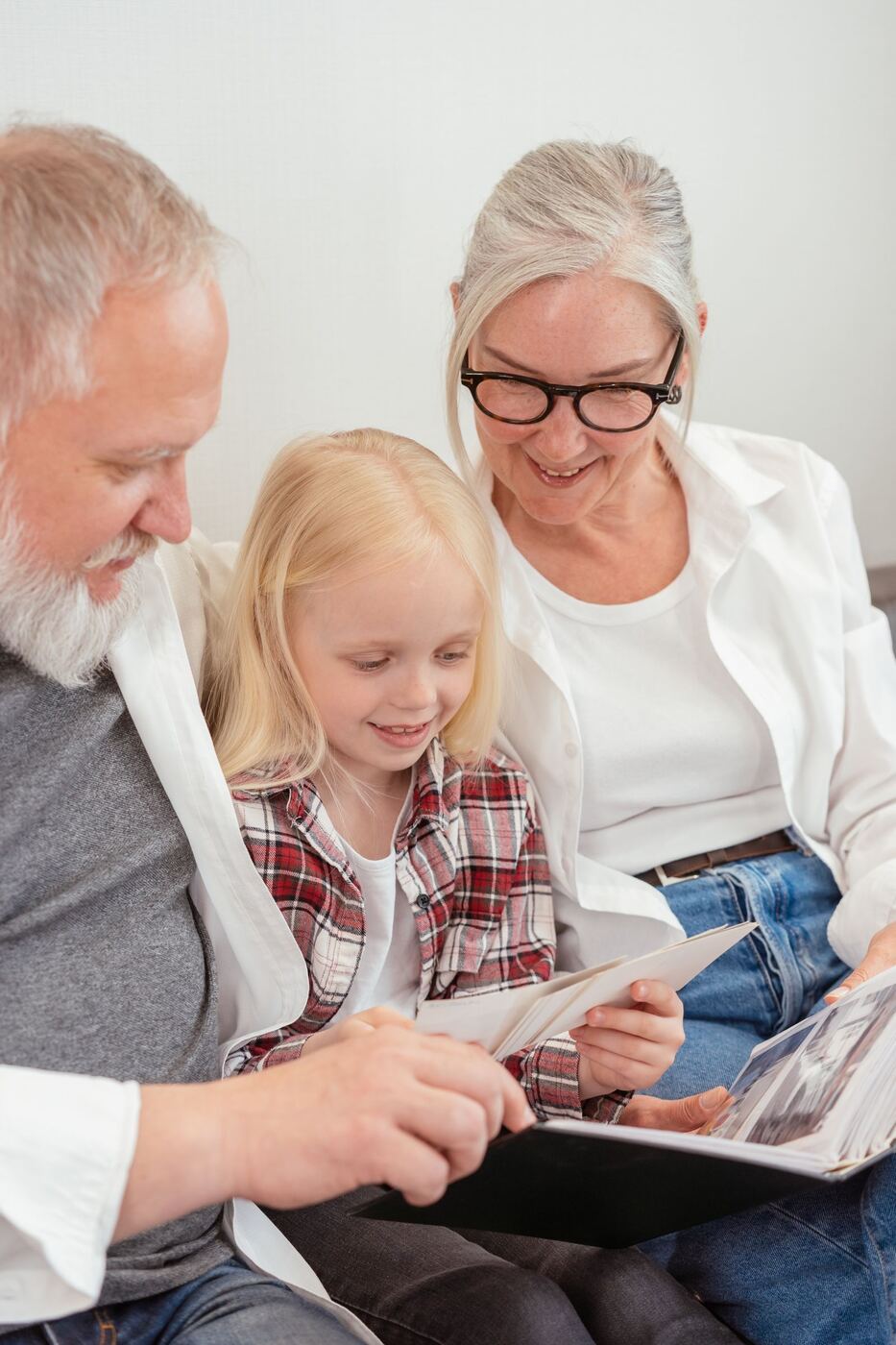
Ask. Where did your family come from? What was Shabbat like in your childhood home? How did you meet? Older people carry the Jewish story of a whole century, and when nobody asks, it is lost. Record a conversation, write down a recipe, learn the melody a grandfather sings. The Torah tells us, "Ask your father and he will tell you, your elders and they will say to you" (Deuteronomy 32:7). See Jewish grandparents and Jewish genealogy.
Seniors at Shabbat and the holidays
A community is measured by whether its oldest members are in the room. Offer a ride to services. Save a comfortable seat near the front. Invite an older neighbor to your Shabbat table, and give them an honor: leading Kiddush, lighting candles, telling the children a story. At the Passover Seder, let the grandparents tell part of the story. See Jewish seniors in Lamorinda for what Chabad offers older people in Lafayette, Moraga and Orinda.
In Lamorinda: Know an older person in Lafayette, Moraga or Orinda who would love a visit or a ride to Shabbat? Call Rabbi Yisroel Labkowski at 925-384-7242.
Common questions
Do I really have to stand up for an older person?
Yes, that is the plain meaning of the verse, and the custom is to rise for anyone of advanced age who enters or passes within a few steps. An older person may say "please, sit," which is fine; the respect has already been shown.
My elderly relative is difficult. Do I still have to honor them?
Honor does not depend on the person being easy. It does mean you may set healthy limits and protect yourself. See difficult relationships with parents, and talk with the Rabbi about your situation.
How can children be taught to respect older people?
Mostly by example: let them see you stand, help, call and listen. Give them small jobs, like bringing Grandma her tea or walking Grandpa to his seat. See raising kind children.
Questions about this, or something on your mind? Message the Rabbi or the Rebbetzin privately, or call 925-384-7242. · Email
Read next
 Caring for Aging Parents: A Jewish GuideHow Jewish tradition guides adult children caring for aging parents, from honoring them and daily care to dementia, caregivers and your own limits.Read next →