
Learn › Shabbat & holidays › Chanukah with family: kids, food and fun
Chanukah Foods Around the Jewish World: From Israeli Sufganiyot to Sephardi Fritters
Chanukah foods around the Jewish world: Israeli sufganiyot, Ashkenazi latkes, Sephardi bimuelos and more, and what they share. Ask Chabad of Lamorinda.
On this page · 3 min read
One idea, many dishesIsrael: sufganiyotAshkenazi homes: latkesSephardi and Mediterranean homes: bimuelosA new twist: a themed menuRussian-speaking familiesWhat every dish has in commonMake an international Chanukah tableWhy the differences matterAround the Jewish world, Chanukah foods are almost all fried in oil: latkes in Ashkenazi homes, sufganiyot in Israel and bimuelos (fried fritters) in many Sephardi families. They share one idea, remembering the oil that burned for eight days.
One idea, many dishes
Jews have eaten oily foods on Chanukah for at least a thousand years, and the main dishes are potato latkes and fried doughnuts. Another custom, eating dairy, honors Yehudit (Judith). So every community took its own local ingredients and made them into a Chanukah food. See Chanukah foods for the reasons.
Israel: sufganiyot
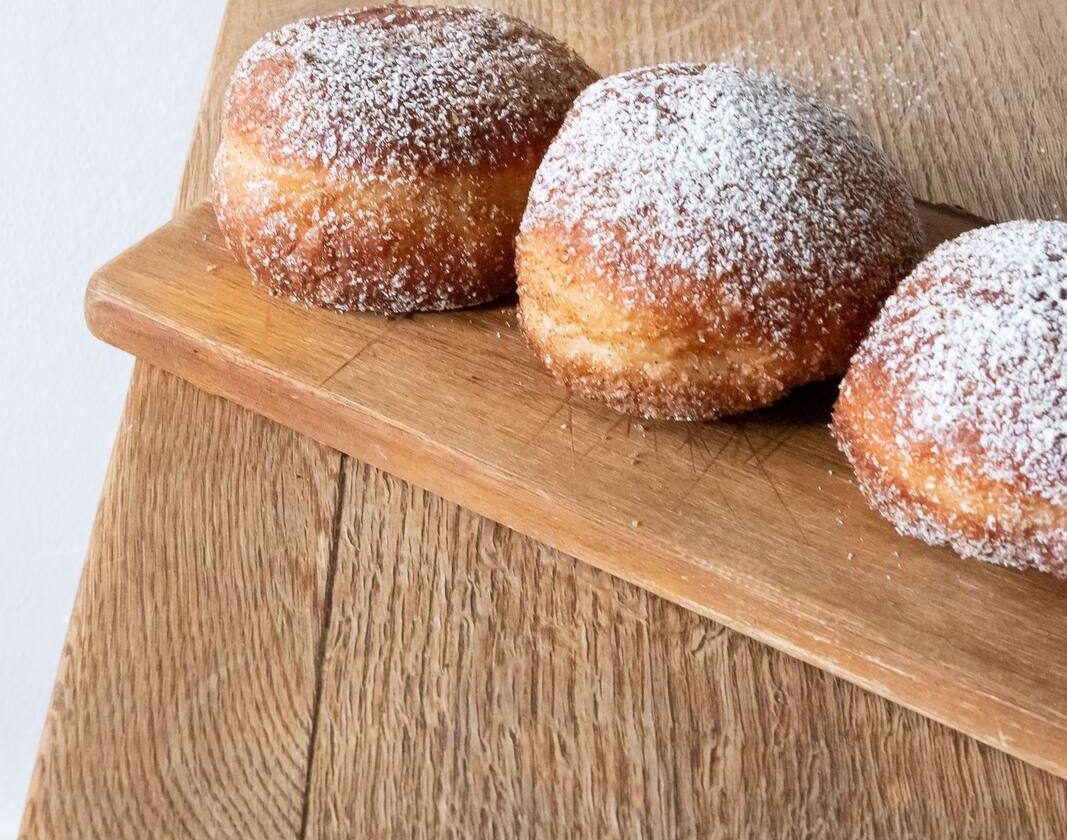
Jelly-filled doughnuts, sufganiyot (סופגניות), are very popular in Israel. Families in Lafayette, Moraga and Orinda with roots in Israel will know them well. The word is Hebrew, but Yiddish speakers call them ponchikes, close to what many Russian speakers call doughnuts.
Ashkenazi homes: latkes
Potato latkes are the traditional fried food in Ashkenazi communities, served with applesauce or sour cream. Cheese latkes combine the two customs, oil and dairy. Potatoes came late to Europe, so earlier latkes were made with other ingredients (see latkes). For the difference between communities, see Ashkenazi and Sephardi.
Sephardi and Mediterranean homes: bimuelos
Fried doughnuts called bumuelos, or bimuelos, are also among the Chanukah foods. These are fried fritters, often sweet. Many Sephardi families have their own fried treat, and each has a local name and style. If you have one in your family, it is a custom worth keeping.
A new twist: a themed menu
There is also a Mexican-style Chanukah menu, with tortilla chips, salsa, fish cakes, cheese quesadillas and cheese and black bean chimichangas. This is not an old community custom. It is an invitation to keep the oil and dairy themes while trying something new, especially after several nights of latkes. It is a reminder that the holiday grows with the families who keep it.
Russian-speaking families
Many Russian-speaking families will find the word ponchikes familiar. If you remember a Chanukah or holiday dish from your grandmother's home, share it with us. See Russian-speaking Jews in Lamorinda.
What every dish has in common
- Oil. Fried or oil-cooked foods recall the Temple oil. See olive oil in Jewish tradition.
- Family. The foods are shared at a table with the menorah in the window.
- Kosher care. Whatever the dish, use ingredients with a kosher symbol and keep meat and dairy apart. For help, see kosher symbols. Bay Kosher, a project of Chabad of Lamorinda, is always kosher.
Make an international Chanukah table
Cook one dish from each tradition: latkes, sufganiyot and a family favorite. Tell the story of where it came from. Ask your children to name a country on a map for each dish. See a Chanukah dinner menu for how to plan.
Why the differences matter
The differences between communities are not a problem to solve. They show how one Jewish holiday took root in many lands, each community keeping the same message with its own flavors. If your family's table looks different from your neighbor's, both are Chanukah. Ask older relatives what they remember, write the dish down, and cook it this year.
In Lamorinda: Have a family Chanukah food from your homeland? Call Rabbi Labkowski at 925-384-7242 or come to /events and share it.
Common questions
What are traditional Chanukah foods around the world?
Fried foods: potato latkes among Ashkenazi Jews, sufganiyot in Israel, and bimuelos among many Sephardi families. Dairy dishes are also customary.
What do Israelis eat on Chanukah?
Jelly-filled doughnuts, sufganiyot, are very popular in Israel.
What do Sephardi Jews eat on Chanukah?
Many eat fried fritters or doughnuts, called bimuelos or bumuelos. Customs vary, so ask your family or the Rabbi.
Why do all these foods use oil?
They recall the miracle of the Temple oil that burned for eight days.
Is it a mitzvah to eat these foods?
No. They are customs. The mitzvah of Chanukah is lighting the menorah. See the Chanukah festive meal.
Can I bring a family dish to a Chanukah gathering?
Yes, with a kosher kitchen and kosher-certified ingredients if the host keeps kosher. Ask the host first.
Take the next step
- Learn the differences in Ashkenazi and Sephardi customs.
- Make a batch of sufganiyot and latkes.
- Bring your family to the Grand Chanukah Menorah Lighting or call 925-384-7242.
Questions about this, or something on your mind? Message the Rabbi or the Rebbetzin privately, or call 925-384-7242. · Email
Read next
 Chanukah Foods: Latkes, Sufganiyot and Why We Eat ThemWhy we eat foods fried in oil on Chanukah, the story behind cheese and dairy foods, and easy kosher latkes and sufganiyot tips for your family.Read next →